Hotel Upgrades: Get a Premium Room for Less
Anúncios
Everyone loves a good deal, especially when it comes to travel. Imagine checking into a hotel and, instead of the standard room you booked, you’re offered a spacious suite, a room with a breathtaking view, or one with exclusive club lounge access. This isn’t just a fantasy; securing desirable hotel room upgrades is often within reach. Many travelers believe upgrades are purely based on luck or high spending, but that’s not entirely true. With the right approach and a bit of savvy, you can significantly increase your chances of enjoying a premium experience for what often amounts to just a small percentage more than your original booking, sometimes even for free.
This comprehensive guide will walk you through the proven strategies and insider tips to help you consistently secure those coveted hotel room upgrades. We’ll explore everything from timing your requests to leveraging loyalty programs and knowing exactly what to ask for. By understanding how hotels operate and what motivates them, you can position yourself as a guest they’re eager to impress. Preparing for your next trip with these tactics in mind could transform your stay from ordinary to extraordinary, proving that a little effort can go a long way in elevating your travel experience.
Anúncios
Timing Your Request for Optimal Hotel Room Upgrades
When you ask for a hotel room upgrade can be just as important as how you ask. Many travelers make the mistake of asking too early or too late, missing the sweet spot when hotels are most amenable to granting such requests. The ideal time often falls within a specific window, allowing the hotel staff to assess their occupancy rates and make informed decisions. Asking at the right moment demonstrates both consideration for the hotel’s operations and a strategic understanding of how upgrades are managed.
Generally, the best time to inquire about an upgrade is during check-in, or even a day or two before your arrival. If you call a day or two ahead, the front desk might have a clearer picture of their upcoming occupancy and can pre-assign you to a better room if available. Arriving at the hotel during off-peak check-in times can also be beneficial. For example, checking in mid-afternoon, rather than during the busiest rush, might mean the front desk staff has more time to review your request and find an available upgraded room without feeling rushed. Always be polite and understanding, regardless of when you make your request, as a positive attitude can go a long way.
Anúncios
Leveraging Loyalty Programs and Status Tiers
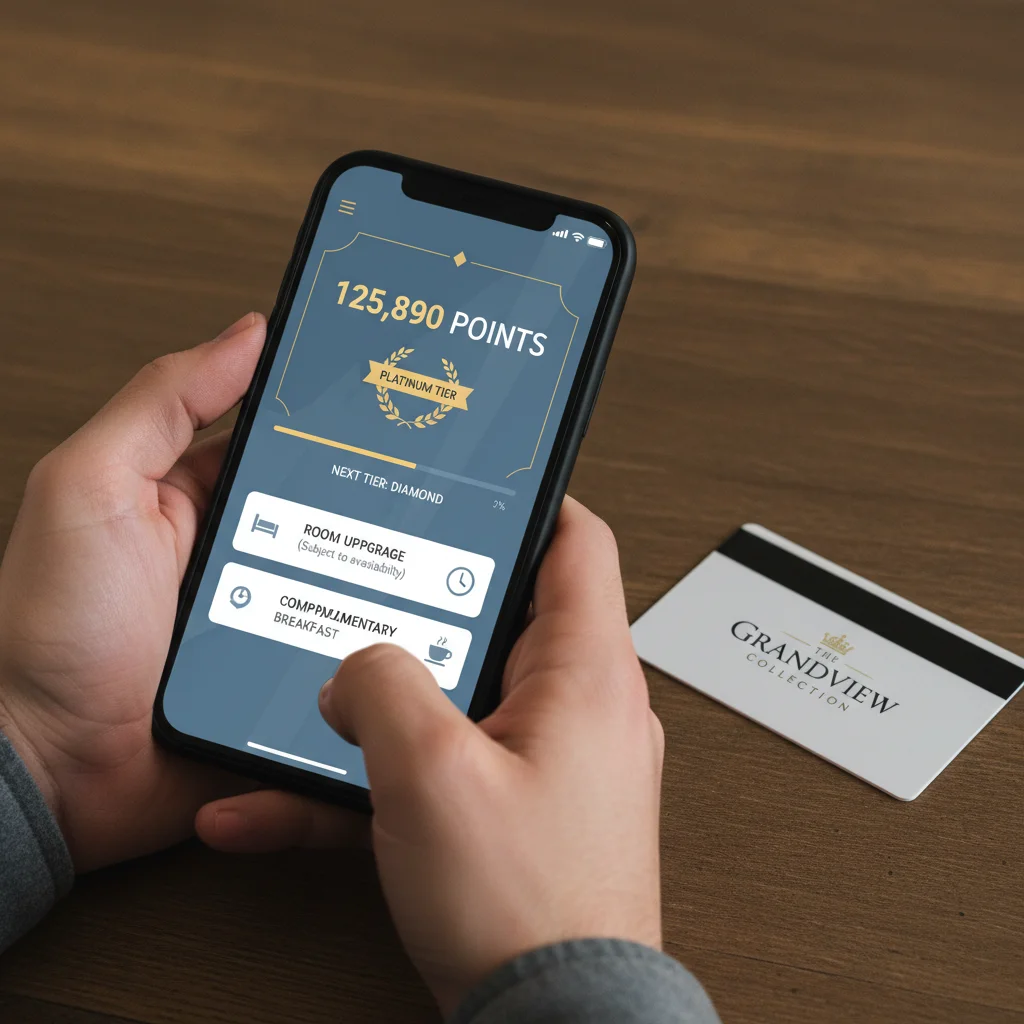
Hotel loyalty programs are perhaps the most consistent and reliable way to secure hotel room upgrades. These programs are designed to reward repeat customers, and upgrades are a primary perk for members, especially those with elite status. Hotels value loyal guests and often prioritize them for better rooms when availability allows. Joining these programs is typically free and offers immediate benefits, even at the lowest tier, such as complimentary Wi-Fi or late check-out. As you accumulate stays, your status level increases, unlocking more significant advantages.
Achieving higher tiers within a loyalty program almost guarantees upgrades when available. For example, many mid-tier and top-tier statuses explicitly list room upgrades, sometimes even to suites, as a standard benefit. These upgrades are often confirmed at check-in or even days before arrival. Even if you don’t travel frequently enough to reach top-tier status with one brand, consider concentrating your stays with a single hotel group to climb the ranks faster. This strategic consolidation of your bookings can pay dividends, transforming your standard reservations into premium experiences without extra cost, simply by being a recognized and valued guest.
The Art of Asking Politely and Effectively
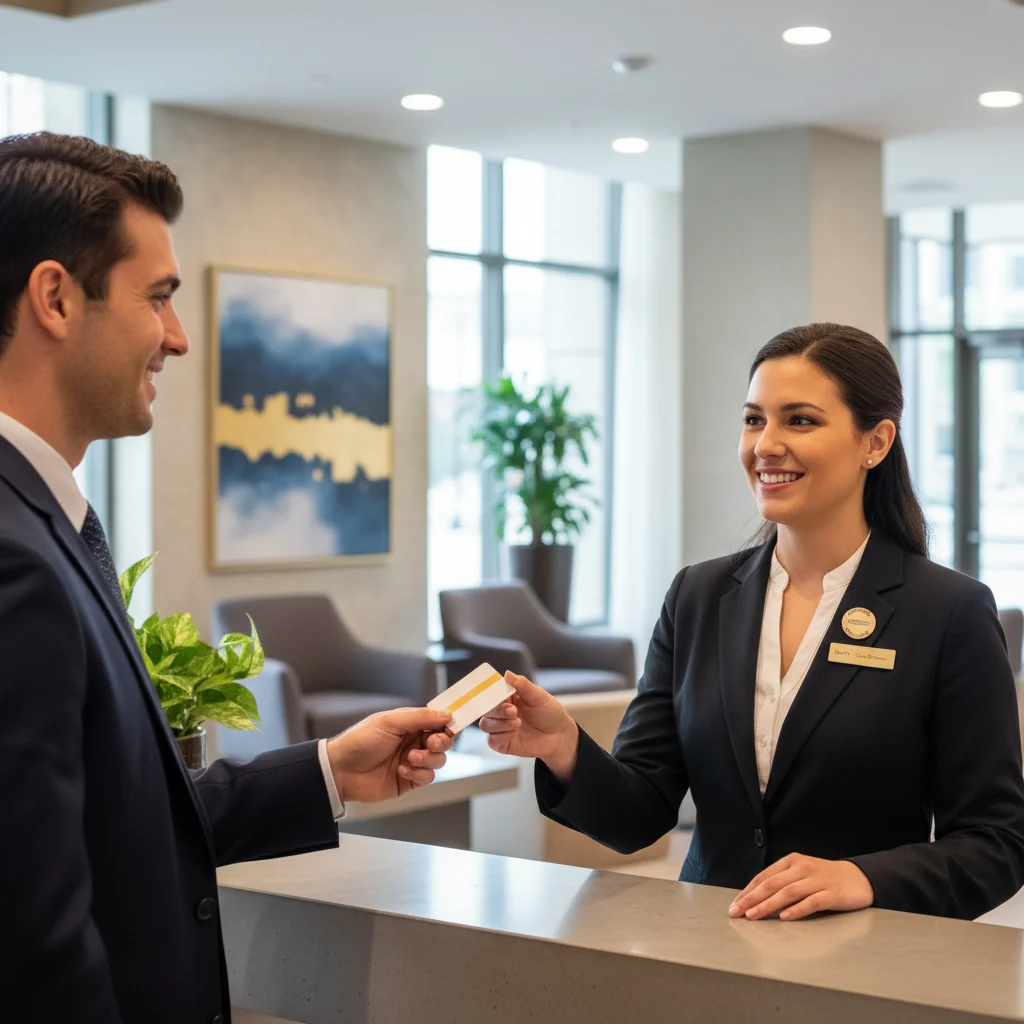
Asking for a hotel room upgrade requires a balance of confidence and courtesy. A polite, friendly, and respectful approach can significantly increase your chances compared to a demanding or entitled attitude. Hotel staff interact with countless guests daily, and a positive interaction can make you stand out. Remember, they are people too, and a genuine smile and a pleasant tone can make them more inclined to help you. Avoid making assumptions or expressing disappointment with your booked room before even seeing it; instead, frame your request as an inquiry about available options.
Key Phrases to Use
- “Are there any upgrades available for my stay?”
- “I was wondering if there’s a possibility of a room with a better view/more space?”
- “We’re celebrating a special occasion; would there be any upgraded rooms available?”
- “I’m a loyalty member, are there any benefits I can utilize for a room upgrade?”
Always be prepared for a ‘no’ and respond graciously. If an upgrade isn’t possible, you might still get a room on a higher floor or a quieter location. Even when offering to pay a small amount, phrase it as “Is there an option to upgrade for a nominal fee?” This shows flexibility and willingness to compromise, rather than demanding a freebie. Your demeanor is your most powerful tool in these situations.
Exploring Paid Upgrade Options at Check-in
Sometimes, the best way to secure a superior room is simply to ask about paid hotel room upgrades at check-in. Many hotels, especially those not fully booked, offer guests the chance to upgrade to a higher room category for a reduced price compared to booking that room outright. This is a win-win situation: the hotel generates additional revenue from an otherwise empty premium room, and you get a significantly better experience without paying the full premium rate. The key is to be proactive and inquire about these possibilities.
When you approach the front desk, after expressing your pleasantries, you can casually ask, “Are there any opportunities to upgrade to a larger room or a room with a better view for a small additional fee?” Often, hotels have a set price list for these “upsells” that might be surprisingly affordable. You might find a suite available for just 5% to 15% more than your standard room rate, which is a fantastic value proposition. This strategy works particularly well during off-peak seasons or on weekdays when hotels are less likely to be at full capacity, giving them more incentive to offer attractive upgrade deals.
Special Occasions and Direct Communication
Hotels love to be part of special moments, and mentioning a special occasion can often be a catalyst for a complimentary or discounted hotel room upgrade. Whether it’s an anniversary, birthday, honeymoon, or another significant life event, sharing this information with the hotel can work in your favor. It provides the staff with a reason to go above and beyond, creating a memorable experience for you while potentially earning them a positive review and repeat business. It’s not a guaranteed upgrade, but it significantly increases your chances of receiving some form of special treatment, which often includes a room upgrade.
The best time to communicate this is not just at check-in, but also during the booking process or a few days before arrival. You can add a note to your online reservation or send a polite email to the hotel directly. For example, “My partner and I are celebrating our 5th anniversary during our stay, and we are very excited to experience your hotel.” This gives the hotel ample time to prepare. Even if a full upgrade isn’t possible, you might receive a complimentary amenity like a bottle of wine, chocolates, or a welcome note from the manager. These small gestures enhance your stay and demonstrate the hotel’s commitment to guest satisfaction.
Frequently Asked Questions
Q: Is it better to book directly with the hotel or through a third-party site for upgrades?
A: Booking directly with the hotel often gives you a better chance for upgrades, especially if you’re a loyalty program member. Third-party bookings sometimes come with restrictions that make upgrades less likely.
Q: Should I mention my special occasion when booking or at check-in?
A: It’s best to mention it both during booking (in the notes section) and politely reiterate it at check-in. This gives the hotel staff advance notice and a reminder.
Q: What if the hotel says no to an upgrade?
A: Always respond politely and with understanding. You can then ask if there are any other options, like a room on a higher floor or in a quieter part of the hotel, or if a paid upgrade is available.
Q: Does arriving later in the day increase my chances of an upgrade?
A: Sometimes, yes. If the hotel has a clear picture of its occupancy for the night, they might be more willing to upgrade if premium rooms are still empty and they don’t expect them to be sold.
Q: Are upgrades only for luxury hotels?
A: Not at all! While more common in higher-end properties, many mid-range hotels also offer upgrades, especially to loyalty members or during quieter periods. It never hurts to ask.
Official Resources
Conclusion
Securing a hotel room upgrade doesn’t have to be a matter of pure chance or exorbitant spending. By understanding and implementing the strategies outlined in this guide, you can significantly enhance your travel experiences. From strategically timing your requests and leveraging the power of loyalty programs to mastering the art of polite communication and inquiring about paid upgrade options, each tip contributes to a more luxurious and enjoyable stay. Remember that mentioning special occasions can also open doors to unexpected perks.
The core principle is simple: be prepared, be polite, and be proactive. Hotels are in the business of hospitality, and a little effort on your part can often result in them going the extra mile to make your stay memorable. So, on your next trip, don’t settle for the standard. Apply these insights and discover how easily you can transform your reservation into a premium experience, often for just a fraction of the cost. Happy travels, and here’s to many successful hotel room upgrades!
