Explore America’s Underground Wonders: Fascinating Cave Systems
Anúncios
America is a land of diverse landscapes, and some of its most spectacular sights lie hidden beneath the surface. Exploring fascinating cave systems offers a unique glimpse into geological time and natural artistry. These underground worlds, sculpted by water and time, present an unparalleled adventure for those curious enough to delve into their depths.
From vast chambers adorned with shimmering crystals to narrow passages that challenge the adventurous spirit, the nation’s caves are truly extraordinary. They are not merely dark holes in the ground but living ecosystems and historical archives, preserving evidence of ancient life and geological processes. Join us as we journey into two remarkable cave systems, revealing their secrets and inviting you to experience their profound beauty firsthand.
Anúncios
Mammoth Cave National Park: A Subterranean Labyrinth
Mammoth Cave National Park, located in Kentucky, holds the distinguished title of the world’s longest known cave system. This colossal underground network stretches for hundreds of miles, a testament to the immense power of water eroding soluble limestone over millions of years. The sheer scale of Mammoth Cave is almost unimaginable, with vast chambers, intricate passageways, and towering vertical shafts that plunge deep into the earth. Its geological history is a complex tapestry woven from ancient oceans, uplifted landmasses, and the relentless flow of groundwater, creating an environment unlike any other on the planet. Visitors can explore a fraction of its immense network through various guided tours, each offering a different perspective on its grandeur and scientific importance.
The cave’s formation began around 10 million years ago, when the region was covered by shallow seas, depositing thick layers of limestone. As the land uplifted and rivers began to cut through the landscape, water seeped into cracks and fissures in the rock, slowly dissolving the limestone and carving out the extensive cave system we see today. This ongoing process continues to shape the cave, albeit at a much slower pace. The diverse geological features within Mammoth Cave, including stalactites, stalagmites, flowstones, and gypsum formations, showcase the incredible artistry of nature.
Anúncios
Carlsbad Caverns National Park: Desert’s Hidden Gems
Nestled beneath the Chihuahuan Desert of New Mexico, Carlsbad Caverns National Park presents another of America’s truly fascinating cave systems. Unlike Mammoth Cave, which was primarily formed by carbonic acid dissolution, Carlsbad Caverns owes its spectacular formations to sulfuric acid. This unique geological process resulted from hydrogen sulfide gas, rising from deep oil and gas deposits, mixing with oxygenated groundwater. The subsequent reaction created sulfuric acid, which aggressively dissolved the limestone, carving out massive chambers and intricate passages that are breathtaking in their scale and beauty. The Big Room, one of the largest single cave chambers in North America, is a prime example of this powerful geological force at work.
The cave system is renowned for its sheer size and the abundance of its speleothems – the incredible stalactites, stalagmites, columns, and draperies that adorn its interiors. These formations are often translucent and can be massive, creating an otherworldly landscape. The park offers both self-guided tours and ranger-led expeditions, allowing visitors to experience the awe-inspiring grandeur at their own pace or delve deeper into the cave’s scientific and historical significance. The natural entrance to the caverns is also home to a spectacular bat flight program, where thousands of bats emerge at dusk, adding another layer of natural wonder to the experience.
Exploring the Depths: What to Expect on a Cave Tour
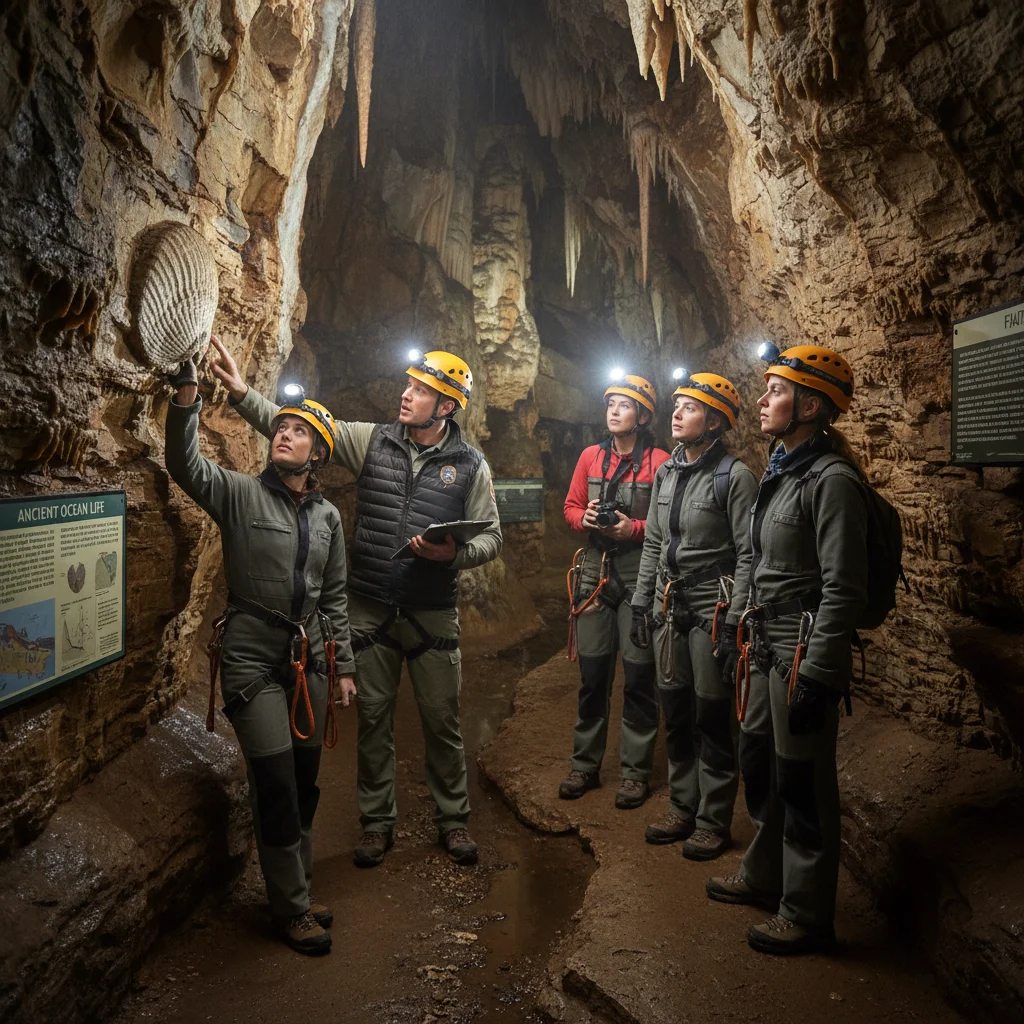
Embarking on a cave tour is an experience unlike any other, offering a profound connection to the Earth’s ancient processes. When planning your visit to fascinating cave systems, it’s important to know what to expect to make the most of your adventure. Most national park caves offer a range of tours, from accessible, paved walkways suitable for all ages and mobility levels, to more strenuous, ranger-led wild cave trips that require crawling and climbing. Regardless of the tour type, the constant cool temperature inside caves, typically around 50-60 degrees Fahrenheit (10-15 degrees Celsius), means a light jacket or sweater is always recommended, even on hot summer days.
Essential Gear for Cave Exploration
- Comfortable Walking Shoes: Paths can be damp and uneven, so sturdy, closed-toe shoes with good grip are crucial.
- Layered Clothing: Caves maintain a cool, constant temperature, so layers allow you to adjust.
- Water Bottle: Staying hydrated is important, especially on longer tours.
- Camera: Capture the incredible formations, but be mindful of flash restrictions.
- Headlamp (for wild tours): Some tours require personal light sources.
Always check the specific requirements and recommendations for the tour you plan to take. Park rangers provide invaluable information about the cave’s geology, history, and ecology, enriching your understanding of these natural wonders.
The Science of Speleothems: Nature’s Sculptures
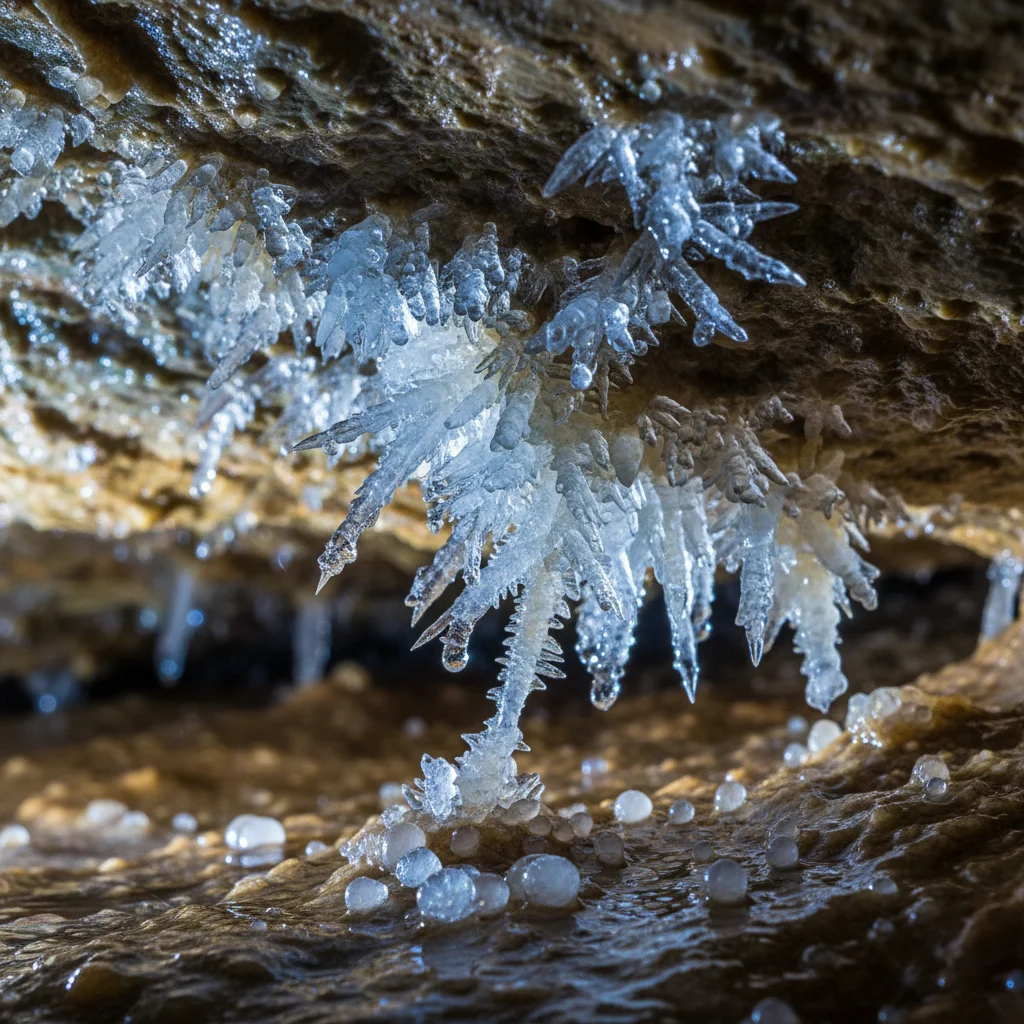
The breathtaking beauty of fascinating cave systems is largely due to their intricate formations, collectively known as speleothems. These natural sculptures are formed over millennia by the slow deposition of minerals, primarily calcite, carried by water seeping through the rock. As water drips, flows, or splashes within the cave, it leaves behind tiny mineral deposits that gradually build up into the incredible shapes we admire. The rate of formation is incredibly slow, often just a few cubic centimeters over a century, which underscores the immense age and patience of these underground environments. Understanding how these formations develop adds another layer of appreciation to their visual appeal.
There is a wide variety of speleothem types, each with its own unique formation process and appearance. Stalactites hang from the ceiling, formed by dripping water, while stalagmites rise from the floor, built up by water drops falling from above. When these two meet, they form a column. Flowstones are sheet-like deposits formed by flowing water over cave walls and floors, creating a draped or cascading effect. More delicate and rare formations include helictites, which defy gravity by growing in various directions, and cave pearls, perfectly spherical formations found in shallow pools. The diversity and complexity of speleothems are a constant source of wonder for scientists and visitors alike, revealing the subtle yet powerful forces at play beneath the Earth’s surface.
Conservation Efforts: Protecting Our Underground Heritage
The delicate and irreplaceable nature of fascinating cave systems makes their conservation paramount. These underground environments are incredibly sensitive to human impact, and even minor disturbances can have long-lasting, detrimental effects. National parks and other managing bodies implement stringent conservation measures to protect the caves’ geological formations, unique ecosystems, and archaeological resources. This includes controlling visitor access, maintaining stable environmental conditions (temperature, humidity), and educating the public on responsible cave etiquette. The goal is to preserve these natural treasures for future generations, ensuring that their beauty and scientific value remain intact.
Key conservation challenges include preventing vandalism, limiting the spread of white-nose syndrome (a devastating fungal disease affecting bats), and managing the impact of surface activities on groundwater quality. Visitors play a crucial role in these efforts by staying on designated paths, not touching formations (oils from hands can stop growth), and adhering to all park regulations. Supporting national parks and other cave conservation organizations also contributes directly to the ongoing protection of these incredible underground wonders. By working together, we can ensure that these ancient, living landscapes continue to thrive and inspire for centuries to come.
Frequently Asked Questions
What is the difference between a stalactite and a stalagmite?
A stalactite hangs tightly from the ceiling of a cave, formed by mineral-rich water dripping down. A stalagmite grows up from the cave floor, formed by the accumulation of minerals from water drops falling onto the surface below. An easy way to remember is: ‘stalactite’ has a ‘c’ for ceiling, and ‘stalagmite’ has a ‘g’ for ground.
Are all cave tours physically demanding?
No, not all cave tours are physically demanding. Many national parks and tourist caves offer accessible, paved routes with minimal elevation changes, suitable for a wide range of physical abilities. More adventurous, ‘wild’ cave tours are available for those seeking a greater challenge, often requiring crawling and climbing.
Why is it important not to touch cave formations?
Touching cave formations, also known as speleothems, can be harmful because the oils and dirt from human hands can stop their growth and discolor them. These formations grow incredibly slowly, often over thousands of years, and even a small disturbance can have a lasting impact on their delicate surfaces and ongoing development.
What is the average temperature inside a cave?
The average temperature inside most caves remains remarkably constant year-round, typically mirroring the average annual surface temperature of the region. For many caves in the United States, this means temperatures usually range between 50 and 60 degrees Fahrenheit (10-15 degrees Celsius), making a light jacket a wise addition to your packing list.
Can I explore caves on my own without a guide?
While some smaller, undeveloped caves might allow unguided exploration, most major cave systems, especially those within national parks, require visitors to join a guided tour or obtain a permit for safety and conservation reasons. Guides provide essential information, ensure visitor safety, and protect the delicate cave environment.
Official Resources
- Mammoth Cave National Park (U.S. National Park Service)
- Carlsbad Caverns National Park (U.S. National Park Service)
- National Speleological Society
- U.S. Geological Survey (USGS)
Conclusion
Our journey through America’s fascinating cave systems reveals a world of unparalleled natural beauty and geological wonder hidden beneath the surface. From the immense labyrinth of Mammoth Cave to the sulfuric acid-sculpted grandeur of Carlsbad Caverns, these underground marvels offer much more than just stunning sights. They are living laboratories for scientists, historical archives for archaeologists, and profound sources of inspiration for anyone who steps foot inside.
Exploring these subterranean landscapes provides a unique perspective on the Earth’s ancient history and the powerful, slow-acting forces that continuously shape our planet. Whether you’re drawn by the desire for adventure, a passion for geology, or simply the awe of experiencing something truly unique, a visit to these caves promises an unforgettable experience. Remember the importance of conservation, ensuring that these delicate ecosystems remain protected for future generations to discover and enjoy. So, pack your bags, grab a jacket, and prepare to be amazed by the incredible underground wonders that await your exploration.
