Explore Undiscovered National Parks This Season
Anúncios
Are you yearning for an escape into nature, away from the bustling crowds of popular tourist spots? This season, it’s time to explore some truly undiscovered national parks that offer breathtaking beauty and serene solitude. While iconic parks like Yellowstone and Yosemite are undoubtedly magnificent, there’s a unique charm in venturing off the beaten path to find hidden wonders. These lesser-known gems provide an opportunity for deeper connection with nature, offering unspoiled landscapes, unique wildlife encounters, and a sense of discovery that crowded destinations often lack. Get ready to uncover seven extraordinary national parks that promise an unforgettable adventure without the throngs of people.
Anúncios
Big Bend National Park, Texas
Nestled in the remote corner of West Texas, Big Bend National Park truly embodies the spirit of an undiscovered national park. This vast expanse of desert, mountain, and river ecosystems offers a dramatic landscape unlike any other. Visitors can explore deep canyons, ancient dinosaur fossils, and the stunning Chisos Mountains, which rise like an island from the surrounding Chihuahuan Desert. The Rio Grande forms a natural border with Mexico, providing opportunities for scenic floats and unique international perspectives.
The park’s isolation means fewer visitors, allowing for incredible stargazing opportunities due to minimal light pollution. Hiking trails range from easy strolls along the river to strenuous climbs up Emory Peak, the highest point in the Chisos. Wildlife viewing is also exceptional, with roadrunners, javelinas, and diverse bird species frequently spotted. Big Bend offers a rugged, authentic wilderness experience for those willing to make the journey.
Isle Royale National Park, Michigan
For an unparalleled wilderness experience, look no further than Isle Royale National Park in Lake Superior. This remote island archipelago is only accessible by ferry or seaplane, ensuring that only the most dedicated adventurers make the trip. Once there, you’ll find a pristine environment teeming with wildlife, including its famous moose and wolf populations, which are studied for their predator-prey dynamics. The park offers over 165 miles of hiking trails, leading through dense forests, along rugged shorelines, and past historic lighthouses.
Anúncios
Kayaking and canoeing are popular ways to explore the island’s many coves and smaller islands, providing intimate encounters with its aquatic ecosystems. Unlike many parks, Isle Royale focuses on primitive camping, encouraging visitors to truly disconnect and immerse themselves in the wild. Its designation as an International Biosphere Reserve underscores its ecological significance and commitment to preservation. This park is a true sanctuary for those seeking solitude and natural beauty.
Great Basin National Park, Nevada
In eastern Nevada, Great Basin National Park offers a surprising diversity of landscapes, from ancient bristlecone pine forests to subterranean wonders. This park is a fantastic example of an undiscovered national park, often overshadowed by its more famous Californian neighbors. Its centerpiece, Wheeler Peak, stands at over 13,000 feet, providing challenging hikes and incredible panoramic views. Below ground, the Lehman Caves offer guided tours through beautifully decorated limestone caverns, a stark contrast to the arid landscape above.
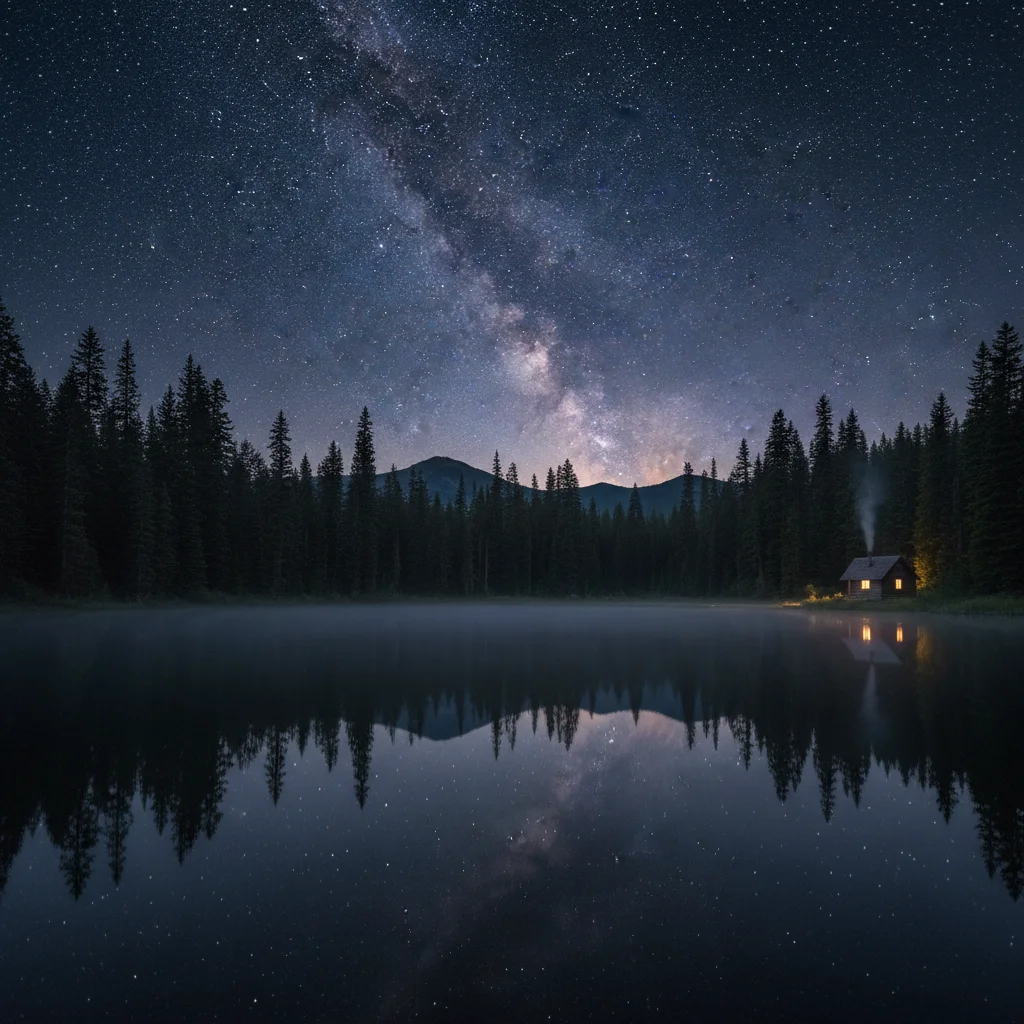
Great Basin is also renowned for its incredibly dark night skies, making it an International Dark Sky Park. Stargazing programs are a highlight, allowing visitors to witness the Milky Way in stunning clarity. The park’s unique combination of high desert, alpine peaks, and cave systems provides a rich tapestry of ecosystems to explore, making it a compelling destination for diverse interests.
Congaree National Park, South Carolina
Step into a world of towering trees and rich biodiversity at Congaree National Park, home to the largest intact tract of old-growth bottomland hardwood forest in the southeastern United States. This hidden gem offers a unique experience, with a raised boardwalk winding through the ancient forest, allowing easy access to its majestic beauty. The Congaree River floods the area periodically, creating a nutrient-rich environment that supports some of the tallest trees in eastern North America, including champion loblolly pines and cypress trees.
Exploring the Floodplain Forest
- Boardwalk Loop Trail: A 2.4-mile elevated walkway providing an accessible way to experience the old-growth forest.
- Canoeing and Kayaking: Paddle through the Cedar Creek Canoe Trail, offering intimate views of the floodplain.
- Wildlife Viewing: Spot otters, deer, turtles, and a vast array of bird species in their natural habitat.
- Fishing: Enjoy freshwater fishing in the park’s creeks and rivers, home to various fish species.
The park is a haven for nature photographers and birdwatchers, with its diverse ecosystems supporting an abundance of flora and fauna. Its relative obscurity means visitors can enjoy a peaceful and immersive experience within this extraordinary natural cathedral.
Wrangell-St. Elias National Park & Preserve, Alaska
As the largest national park in the United States, Wrangell-St. Elias National Park & Preserve in Alaska is a colossal wilderness, larger than Switzerland, yet remains one of the most undiscovered national parks. This park is a land of superlatives, boasting nine of the 16 highest peaks in the U.S., including Mount St. Elias, and massive glaciers that are bigger than some states. Its sheer scale and rugged terrain offer unparalleled opportunities for true wilderness exploration.
Access to much of the park is challenging, often requiring bush planes or extensive backcountry travel, which contributes to its untouched feel. However, two gravel roads provide vehicle access to remote communities like McCarthy and Kennecott, a historic copper mining town now preserved as a National Historic Landmark. Visitors can enjoy glacier hiking, ice climbing, rafting, and wildlife viewing, with grizzly bears, Dall sheep, and caribou roaming freely. Wrangell-St. Elias is an epic destination for experienced adventurers seeking the ultimate wild frontier.
Channel Islands National Park, California
Just off the coast of Southern California, Channel Islands National Park offers a remarkable escape into a unique island ecosystem, making it a truly undiscovered national park for many. Comprising five distinct islands and their surrounding ocean environment, this park is often called the “Galapagos of North America” due to its high number of endemic species. The islands are accessible by park concessionaire boats or private vessels, and once there, visitors can explore diverse landscapes from windswept cliffs to serene coves.
Activities abound, including kayaking through sea caves, snorkeling or diving in kelp forests, and hiking along scenic trails that offer sweeping ocean views. Wildlife viewing is a major draw, with opportunities to see island foxes (found nowhere else on Earth), seals, sea lions, and migrating whales. The isolation of these islands has preserved their natural and cultural resources, offering a glimpse into ancient island life and pristine marine environments. It’s an ideal destination for those seeking a blend of ocean adventure and unique ecological exploration.
Dry Tortugas National Park, Florida
Located almost 70 miles west of Key West, Dry Tortugas National Park is a remote cluster of seven small islands, famous for its magnificent Fort Jefferson, vibrant coral reefs, and abundant marine life. This park is predominantly water, offering an unparalleled snorkeling and diving experience in its crystal-clear turquoise waters. Its isolated location ensures that it remains one of the most serene and undiscovered national parks, requiring a ferry, seaplane, or private boat to reach.
Fort Jefferson, a massive 19th-century coastal fortress, is a historical marvel to explore, showcasing intricate brickwork and offering panoramic views of the surrounding ocean. Beyond history, the park is a birder’s paradise, hosting thousands of sooty terns and other tropical birds during nesting season. Camping is available on Garden Key, providing a unique opportunity to spend the night under a blanket of stars, far from any city lights. Dry Tortugas offers a perfect blend of history, natural beauty, and aquatic adventure in a truly secluded setting.
Frequently Asked Questions
Q: What makes these national parks “undiscovered”?
A: These parks are generally less visited than famous ones like Grand Canyon or Yosemite, often due to their remote locations, challenging access, or simply less public awareness, leading to fewer crowds and a more pristine experience.
Q: Do I need special gear to visit these parks?
A: It depends on the park and your planned activities. For remote parks like Wrangell-St. Elias or Isle Royale, backcountry camping gear, sturdy hiking boots, and navigation tools are essential. For others like Dry Tortugas, snorkeling gear might be beneficial. Always check the specific park’s recommendations.
Q: Are these parks suitable for families with young children?
A: Some parks, like Congaree with its boardwalk, or parts of Big Bend, can be family-friendly. Others, especially those requiring extensive hiking or remote access like Wrangell-St. Elias, might be better suited for older children or more adventurous families. Research specific trails and amenities beforehand.
Q: How can I minimize my impact when visiting these less-traveled areas?
A: Practice Leave No Trace principles diligently: pack out everything you pack in, stay on marked trails, respect wildlife, and properly dispose of waste. Be mindful of fragile ecosystems and avoid disturbing natural features or historical sites.
Q: What is the best time of year to visit these undiscovered national parks?
A: The ideal time varies greatly by park. For example, Big Bend is best in cooler months, while Isle Royale is only open seasonally in warmer months. Always check the park’s official website for climate information, operating seasons, and potential closures before planning your trip.
Official Resources
- National Park Service: Big Bend National Park
- National Park Service: Isle Royale National Park
- National Park Service: Great Basin National Park
- National Park Service: Congaree National Park
- National Park Service: Dry Tortugas National Park
Conclusion
Exploring undiscovered national parks offers a profound opportunity to connect with nature on a deeper, more personal level. These seven hidden gems, from the desert expanses of Big Bend to the aquatic wonders of Dry Tortugas, promise adventures far removed from the usual tourist circuit. By choosing to visit these less-frequented destinations, you’re not only guaranteed a more tranquil and immersive experience but also contribute to spreading visitor impact more evenly across the national park system. Each park presents its own unique challenges and rewards, whether you’re seeking rugged wilderness, ancient forests, or vibrant marine ecosystems.
The beauty of these parks lies in their untouched landscapes and the sense of discovery they impart. Remember to plan carefully, respect the environment, and embrace the solitude that comes with venturing off the beaten path. This season, bypass the crowds and answer the call of the wild by exploring an undiscovered national park. Your next unforgettable adventure awaits, filled with pristine beauty and unparalleled peace. Start planning your journey today and uncover the magic that lies beyond the well-trodden trails.
