Volcanic Views: Witness the Power of Mount Etna
Anúncios
Mount Etna, an iconic natural wonder, stands tall as Europe’s most active volcano. Its frequent eruptions and continuous activity make it a fascinating subject for geologists, tourists, and locals alike. Witnessing the power of Mount Etna is an unforgettable experience, offering a direct connection to the Earth’s raw, untamed forces. This geological landmark provides spectacular volcanic views, drawing countless visitors to its slopes each year to marvel at its fiery displays and unique landscapes.
Understanding Mount Etna’s behavior and respecting its power is crucial for anyone planning a visit. From its ancient myths to its modern scientific study, the volcano has shaped the history and culture of Sicily. Its constant evolution means there is always something new to observe, whether it’s a gentle smoke plume or a more dramatic lava flow. Exploring Mount Etna offers a rare opportunity to see an active stratovolcano up close, providing insights into plate tectonics and the dynamic nature of our planet.
Anúncios
The Geological Marvel of Mount Etna
Mount Etna is a complex stratovolcano, meaning it’s built up of many layers of hardened lava, tephra, pumice, and volcanic ash. Its sheer size and constant activity make it a geological marvel. Located on the east coast of Sicily, Italy, it sits at the convergence of the African and Eurasian tectonic plates, a region of intense geological stress. This tectonic setting is the primary reason for its persistent eruptions, as magma from deep within the Earth finds pathways to the surface. The volcano’s height and shape are constantly changing due to its eruptive activity, creating a dynamic and ever-evolving landscape.
Scientists closely monitor Mount Etna, employing various techniques to predict its eruptions and understand its internal processes. This continuous study provides valuable data for volcanology worldwide. The volcano features several craters, with new ones sometimes forming during significant eruptive phases. Its slopes are a testament to past eruptions, covered in ancient and recent lava flows that showcase a wide spectrum of volcanic rock types. The unique geological features make Mount Etna a natural laboratory for studying volcanic processes.
Anúncios
A Brief History of Etna’s Eruptions
The history of Mount Etna’s eruptions stretches back thousands of years, documented in ancient texts and geological records. It is one of the world’s most historically active volcanoes, with records dating back to 1500 BC. These records detail numerous significant eruptions that have shaped the surrounding landscape and influenced human settlements. Unlike some more explosive volcanoes, Etna’s eruptions are often effusive, characterized by relatively slow-moving lava flows, though explosive events do occur.
Over the centuries, Etna has produced both destructive and constructive events. While some eruptions have threatened towns and agricultural lands, the volcanic soil it creates is incredibly fertile, supporting rich vineyards and orchards. Major historical eruptions include those of 1669, which reached the city of Catania, and the more recent events of the 20th and 21st centuries. These modern eruptions are meticulously observed, contributing to a vast database of volcanic behavior. The continuous activity of Mount Etna ensures its place in both geological history and contemporary news.
Safety and Accessibility for Visitors
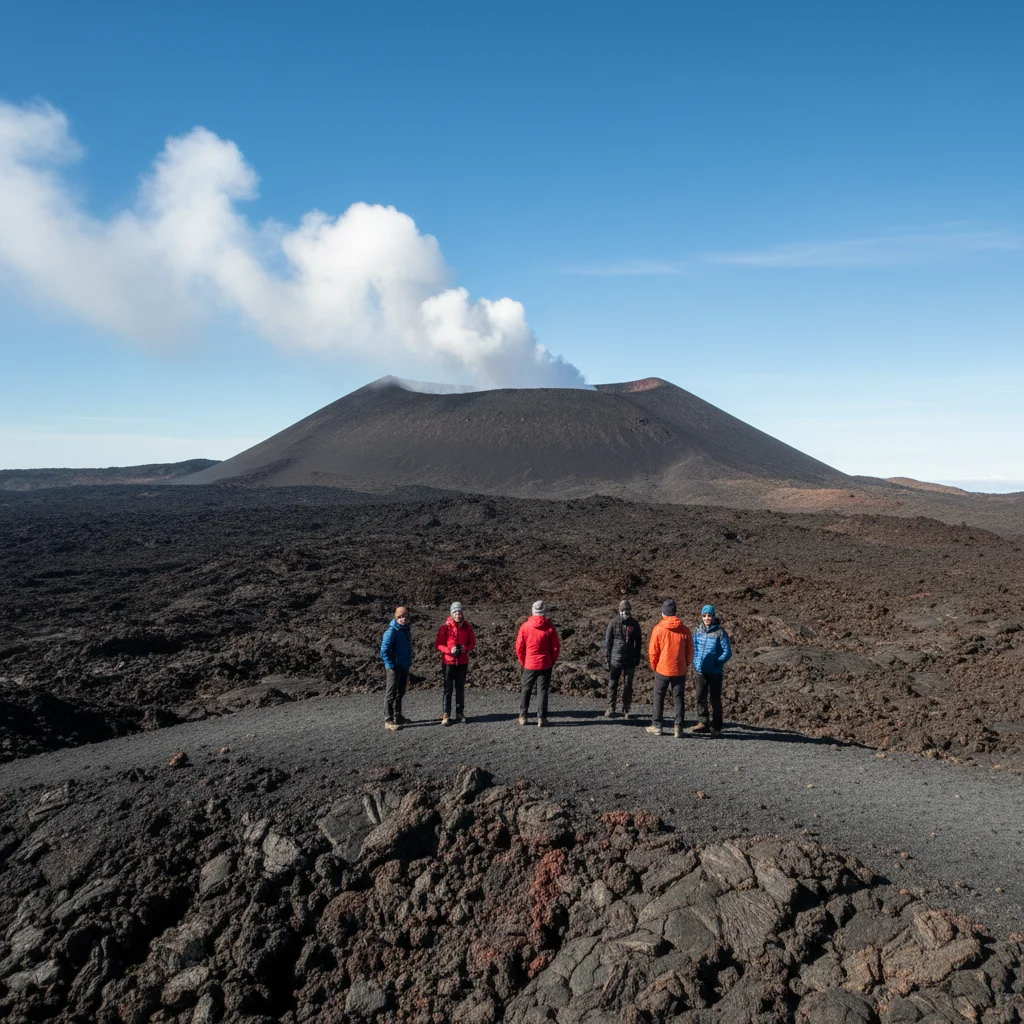
Visiting Mount Etna requires careful planning and adherence to safety guidelines, as it is an active volcano. While many areas are accessible to tourists, it’s essential to stay informed about current volcanic activity levels and designated safe zones. Official guides and tour operators are highly recommended, especially for higher elevations, as they possess the expertise and equipment to navigate the challenging terrain safely. Never venture off marked paths or ignore warnings from local authorities, as conditions can change rapidly on an active volcano.
Access to Mount Etna is generally well-organized, with cable cars and specialized vehicles taking visitors to certain altitudes. From there, guided treks can lead to viewpoints offering spectacular volcanic views. Proper attire, including sturdy hiking boots, warm layers, and sun protection, is crucial regardless of the season. The weather on the volcano can be unpredictable, changing quickly from sunny skies to strong winds and cold temperatures. Always check the forecast and heed the advice of local experts to ensure a safe and enjoyable visit.
The Ecosystems of Mount Etna’s Slopes
Despite its volcanic nature, the slopes of Mount Etna host a surprisingly diverse range of ecosystems. The fertile volcanic soil, enriched by minerals from past eruptions, supports unique flora and fauna. As you ascend the volcano, the vegetation changes dramatically, from Mediterranean scrub at lower altitudes to forests of oak, pine, and beech. These forests are home to various wildlife, including foxes, wildcats, and several bird species, showcasing nature’s resilience in the face of volcanic activity.
Adapting to Volcanic Conditions
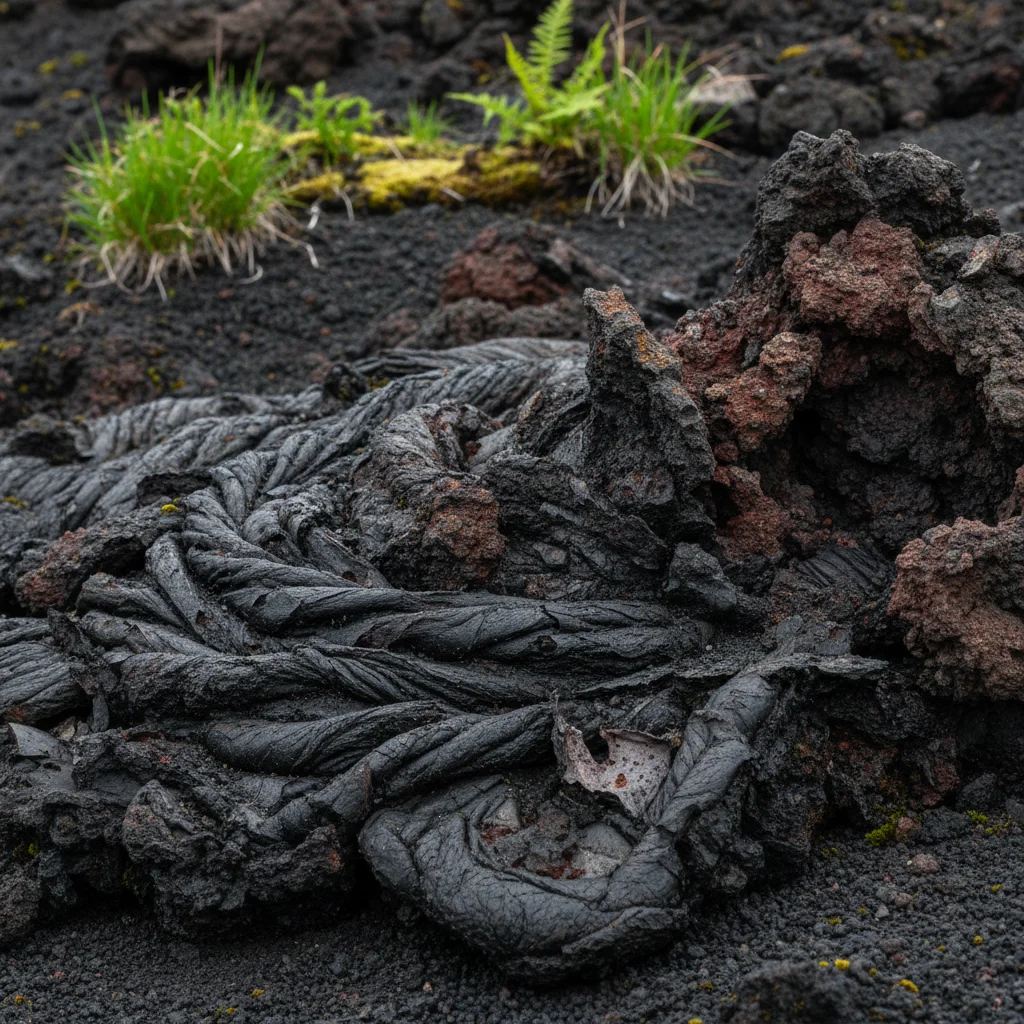
- Pioneer Species: Lichens and mosses are often the first to colonize new lava flows, breaking down rock and creating initial soil.
- Endemic Plants: Several plant species are unique to Etna, having adapted to its specific environmental conditions.
- Forest Regeneration: Despite destruction from eruptions, forests on Etna have shown remarkable ability to regenerate over time.
- Wildlife Resilience: Animals adapt their habitats and foraging behaviors to cope with the volcano’s dynamic landscape.
At higher elevations, the landscape becomes more barren, dominated by recent lava flows and volcanic ash, yet even here, specialized plants and insects can be found. The contrast between the harsh volcanic terrain and the lush, fertile areas demonstrates the powerful interplay between destructive geological forces and life’s persistent ability to adapt and thrive.
Cultural Significance and Local Impact
Mount Etna holds profound cultural significance for the people of Sicily, deeply woven into their history, mythology, and daily lives. For centuries, the volcano has been revered and feared, seen as both a giver of life through its fertile soils and a bringer of destruction. Ancient Greeks believed it to be the forge of Hephaestus, the god of fire, or the prison of the monster Typhon, reflecting the awe and terror it inspired. These myths continue to be a part of local folklore, adding to the mystique of the mountain.
The volcano’s presence has shaped the architecture, agriculture, and traditions of the surrounding communities. Many towns are built with volcanic stone, and the rich soil supports world-renowned vineyards and citrus groves. Residents have developed unique strategies for living alongside an active volcano, including monitoring systems and emergency preparedness plans. The constant interplay between human life and the powerful forces of Mount Etna creates a unique cultural landscape, where respect for nature’s might is deeply ingrained.
Frequently Asked Questions
Is Mount Etna dangerous to visit?
While Mount Etna is an active volcano, visits are generally safe when following official guidelines and staying with experienced guides. Authorities constantly monitor activity levels, and access to dangerous areas is restricted to ensure visitor safety.
What is the best time of year to visit Mount Etna?
The best time to visit is typically during the spring (April to June) or autumn (September to October) when the weather is milder and clearer. Summer can be very hot, and winter brings snow, which can make higher elevations challenging to access.
Can I see lava flows during my visit?
Seeing active lava flows depends entirely on the volcano’s current activity. While eruptions are frequent, lava flows are not constant. Guided tours often provide the best chance to witness activity if it occurs, but it’s never guaranteed.
What should I wear for a trip to Mount Etna?
Dress in layers, as temperatures can vary greatly. Sturdy hiking boots are essential, along with warm clothing, a windproof jacket, gloves, and a hat, even in warmer months. Sun protection, like sunglasses and sunscreen, is also recommended.
Are there tours available for Mount Etna?
Yes, numerous guided tours are available from various towns in Sicily, such as Catania and Taormina. These tours often include transportation, a guide, and sometimes even equipment rental, making for a convenient and informative visit.
Official Resources
- Istituto Nazionale di Geofisica e Vulcanologia (INGV)
- Parco dell’Etna (Mount Etna Regional Park)
- Official Sicily Tourism Website
Conclusion
Mount Etna stands as a powerful testament to the Earth’s dynamic nature, offering unparalleled volcanic views and a rich tapestry of geological, ecological, and cultural wonders. Its continuous activity reminds us of the planet’s raw power, while its fertile slopes showcase life’s remarkable ability to adapt and thrive. From ancient myths to cutting-edge scientific research, Mount Etna has captivated humanity for millennia, shaping the landscape and the lives of those who call its shadow home.
For anyone seeking an extraordinary travel experience, visiting Mount Etna provides a unique opportunity to connect with an active geological landmark. By understanding its history, respecting its power, and adhering to safety guidelines, visitors can safely explore its unique ecosystems and witness its awe-inspiring eruptions. This majestic volcano is more than just a mountain; it’s a living, breathing entity that continues to shape our world, offering profound lessons about nature’s grandeur and resilience. A journey to Mount Etna is truly an unforgettable adventure, etched forever in the memory of those who experience its fiery embrace.
