High-Altitude Treks: Weather Checklist for Safety
Anúncios
Embarking on high-altitude treks offers breathtaking views and unforgettable experiences, but it also comes with unique challenges. The weather in mountainous regions is notoriously unpredictable, shifting from clear skies to fierce storms in a matter of hours. To ensure your safety and enjoyment, a thorough high-altitude weather checklist is absolutely essential before you set foot on the trail. Proper preparation can make all the difference between a memorable adventure and a dangerous ordeal.
Anúncios
Understanding Mountain Weather Dynamics
Mountain weather behaves very differently from conditions at lower elevations. As you ascend, temperatures drop significantly, often by several degrees Celsius for every thousand meters gained. Wind speeds also tend to increase dramatically, and the air holds less moisture, leading to colder, drier conditions. These factors combine to create an environment where conditions can change rapidly and unexpectedly, making a detailed high-altitude weather checklist indispensable.
It’s not uncommon to experience all four seasons in a single day during a high-altitude trek. A sunny morning can quickly give way to afternoon thunderstorms, hail, or even snow, even in summer. This variability is due to complex interactions between topography, air pressure, and moisture content. Understanding these dynamics is the first step in preparing adequately for your adventure.
Essential Clothing Layers for High Altitudes
Proper clothing is arguably the most critical component of any high-altitude weather checklist. The key lies in layering, which allows you to adjust your insulation based on changing conditions and activity levels. A good layering system consists of a base layer, a mid-layer, and an outer shell.
Anúncios
The base layer, worn next to your skin, should wick away moisture to keep you dry. Mid-layers provide insulation, trapping warmth close to your body. Finally, the outer shell acts as a barrier against wind, rain, and snow. Investing in high-quality, weather-resistant materials designed for mountain environments is crucial for comfort and safety.
Choosing the Right Materials
- Base Layer: Merino wool or synthetic fabrics (polyester, polypropylene) are excellent for moisture-wicking. Avoid cotton, which absorbs moisture and dries slowly, leading to chilling.
- Mid-Layer: Fleece jackets, down jackets, or synthetic insulated jackets offer warmth. Down provides superior warmth-to-weight but loses insulating properties when wet; synthetics perform better in damp conditions.
- Outer Layer: A waterproof and windproof shell jacket and pants (e.g., Gore-Tex or similar technology) are non-negotiable. Ensure they have taped seams and adjustable hoods.
- Accessories: Include warm gloves or mittens, a warm hat that covers your ears, and sunglasses or goggles to protect against glare and wind.
Navigation and Communication Gear
Even on well-marked trails, unexpected weather can drastically reduce visibility, making navigation challenging. A reliable navigation system is a vital part of your high-altitude weather checklist. Do not rely solely on your smartphone, as batteries can drain quickly in cold temperatures, and signal may be nonexistent.
Carrying a physical map and compass, and knowing how to use them, is a fundamental safety practice. A GPS device or a satellite communication device can also be invaluable, especially for emergencies. Always inform someone of your itinerary and expected return time. This simple step can be life-saving if you encounter unforeseen difficulties.
Emergency Preparedness Kit
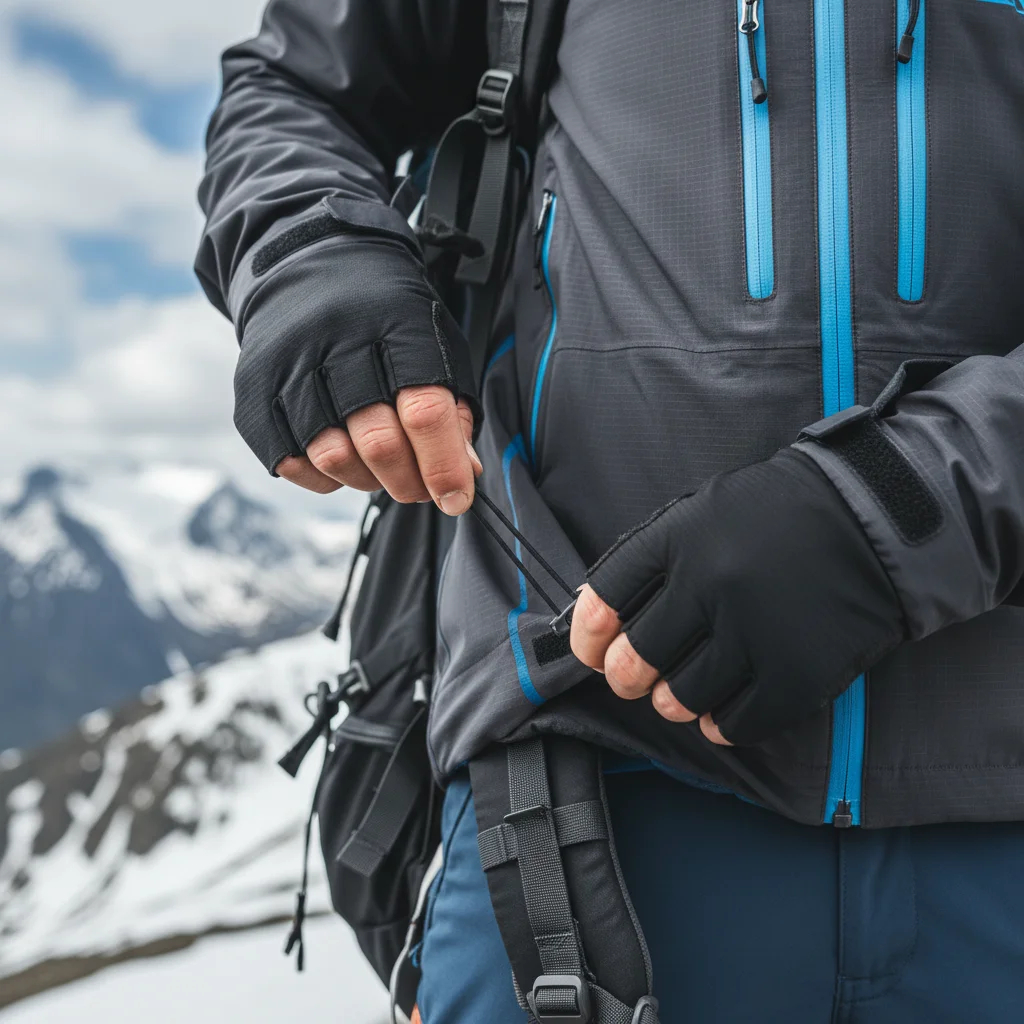
A comprehensive emergency kit is a non-negotiable item on your high-altitude weather checklist. This kit should contain essentials that can help you survive an unexpected night out or deal with an injury. Think about what you would need if you were stranded for 24 hours in adverse conditions.
Beyond a standard first-aid kit, consider items specific to mountain environments. A headlamp with extra batteries is crucial for navigating in low light or unexpected darkness. A whistle can be used to signal for help, and a durable bivvy bag or emergency blanket offers critical warmth and shelter. Always pack more water than you think you’ll need, along with high-energy snacks.
Key Emergency Items
- First-Aid Kit: Tailored for blisters, cuts, sprains, and altitude sickness medication.
- Emergency Shelter: Lightweight bivvy bag, emergency blanket, or a small tarp.
- Illumination: Headlamp with fresh batteries and a spare set.
- Fire Starter: Waterproof matches or a lighter, and tinder.
- Repair Kit: Duct tape, zip ties, and a multi-tool for gear repairs.
Hydration, Nutrition, and Sun Protection
Maintaining proper hydration and nutrition is critical for performance and safety at high altitudes. The dry air and increased exertion lead to faster dehydration, so you must drink more water than usual. Pack easily digestible, high-energy foods that provide sustained fuel for your body. Sun protection is also paramount, as UV radiation is much stronger at higher elevations, even on cloudy days.
Ignoring these aspects can lead to fatigue, decreased cognitive function, and increased susceptibility to altitude sickness. Always carry enough water or a reliable water filter/purifier. Pack snacks like nuts, dried fruit, energy bars, and gels. Apply high-SPF sunscreen frequently, wear a wide-brimmed hat, and use sunglasses with good UV protection to safeguard your eyes.
Frequently Asked Questions
What is the most important item on a high-altitude weather checklist?
The most important item is a robust layering system for clothing. This allows you to adapt to rapidly changing temperatures and conditions, protecting you from both extreme cold and overheating, which are common challenges in mountain environments.
How often should I check the weather forecast before a high-altitude trek?
It’s advisable to check the weather forecast daily for several days leading up to your trek, and then immediately before you depart. During the trek, check for updates whenever possible, as mountain forecasts can change very quickly and impact your safety significantly.
What should I do if unexpected severe weather hits during my trek?
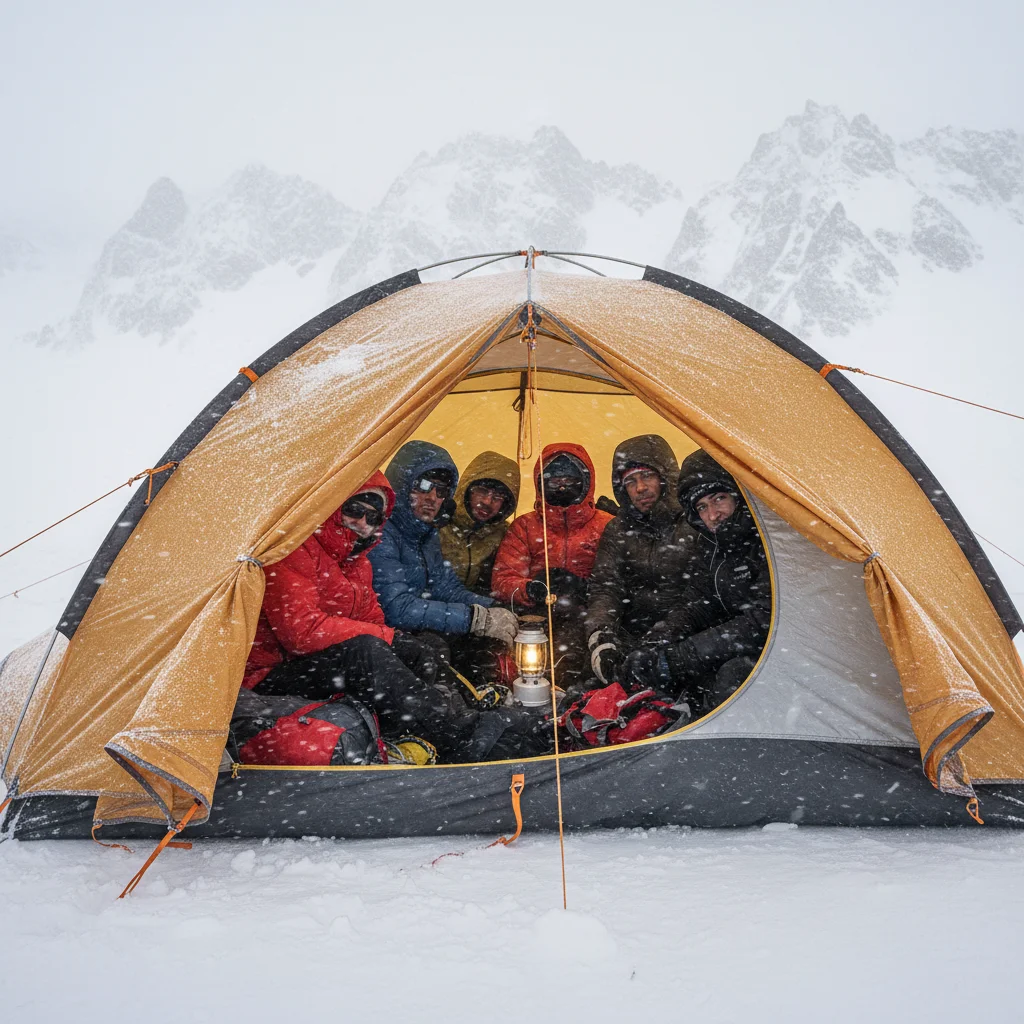
If severe weather strikes, prioritize finding immediate shelter. If a storm is imminent, descend to a lower, safer elevation if possible. If caught in a lightning storm, move away from exposed ridges and tall trees. Always carry an emergency shelter like a bivvy bag for unexpected situations.
Is altitude sickness part of weather preparedness?
While not directly weather-related, altitude sickness can be exacerbated by cold or dehydration, which are weather factors. Proper hydration and nutrition, key elements of weather preparedness, can help mitigate symptoms. Always acclimatize properly and carry appropriate medication if prescribed.
Why is it important to carry a physical map and compass in addition to GPS?
GPS devices and smartphones can fail due to battery drain in cold weather, lack of signal, or damage. A physical map and compass do not rely on batteries or satellite signals, providing a reliable backup for navigation, especially when visibility is poor due to adverse weather.
Official Resources
- National Park Service – Weather Safety
- The Mountaineers – How to Dress for Cold Weather Hiking
- Centers for Disease Control and Prevention – Altitude Sickness
- National Oceanic and Atmospheric Administration (NOAA)
Conclusion
Preparing for high-altitude treks demands meticulous attention to detail, especially concerning the unpredictable mountain weather. By diligently following a comprehensive high-altitude weather checklist, you significantly enhance your safety and the overall enjoyment of your adventure. From understanding mountain weather dynamics to assembling the right clothing layers, and from carrying essential navigation gear to packing a well-stocked emergency kit, every step contributes to a successful and secure journey.
Remember that hydration, nutrition, and sun protection are equally vital for maintaining your physical well-being at elevation. Never underestimate the power of nature; instead, respect it by being thoroughly prepared. Your commitment to preparation ensures that you are ready for whatever the mountains may throw your way, allowing you to focus on the breathtaking beauty and the rewarding challenge of the high-altitude environment. Embrace the adventure, but always prioritize safety through diligent planning and readiness.
