Survival Gear Essentials: Must-Haves for Backcountry Safety
Anúncios
When you venture into the great outdoors, especially into the untamed backcountry, preparedness isn’t just a good idea; it’s absolutely crucial. Having the right backcountry survival gear can be the difference between a minor inconvenience and a life-threatening situation. This guide will walk you through seven must-have items, revised for current conditions, that every outdoor enthusiast should consider packing to ensure safety and confidence in the wilderness.
Modern outdoor adventures, whether a day hike or a multi-day expedition, require a thoughtful approach to what you carry. The environment can be unpredictable, and relying solely on technology can be risky. That’s why a foundational understanding of essential gear, combined with practical skills, forms the bedrock of safe backcountry exploration. Let’s dive into the specifics of what you’ll need to stay safe and sound.
Anúncios
Navigation Tools: Beyond Your Smartphone
While our smartphones are incredibly powerful, they aren’t always reliable in the backcountry. Batteries die, signals drop, and screens can crack. That’s why dedicated navigation tools are non-negotiable for any serious wilderness trip. Understanding how to use a physical map and compass is a fundamental skill that every adventurer should master before heading out. These tools don’t rely on batteries or cell towers, making them incredibly dependable in remote areas.
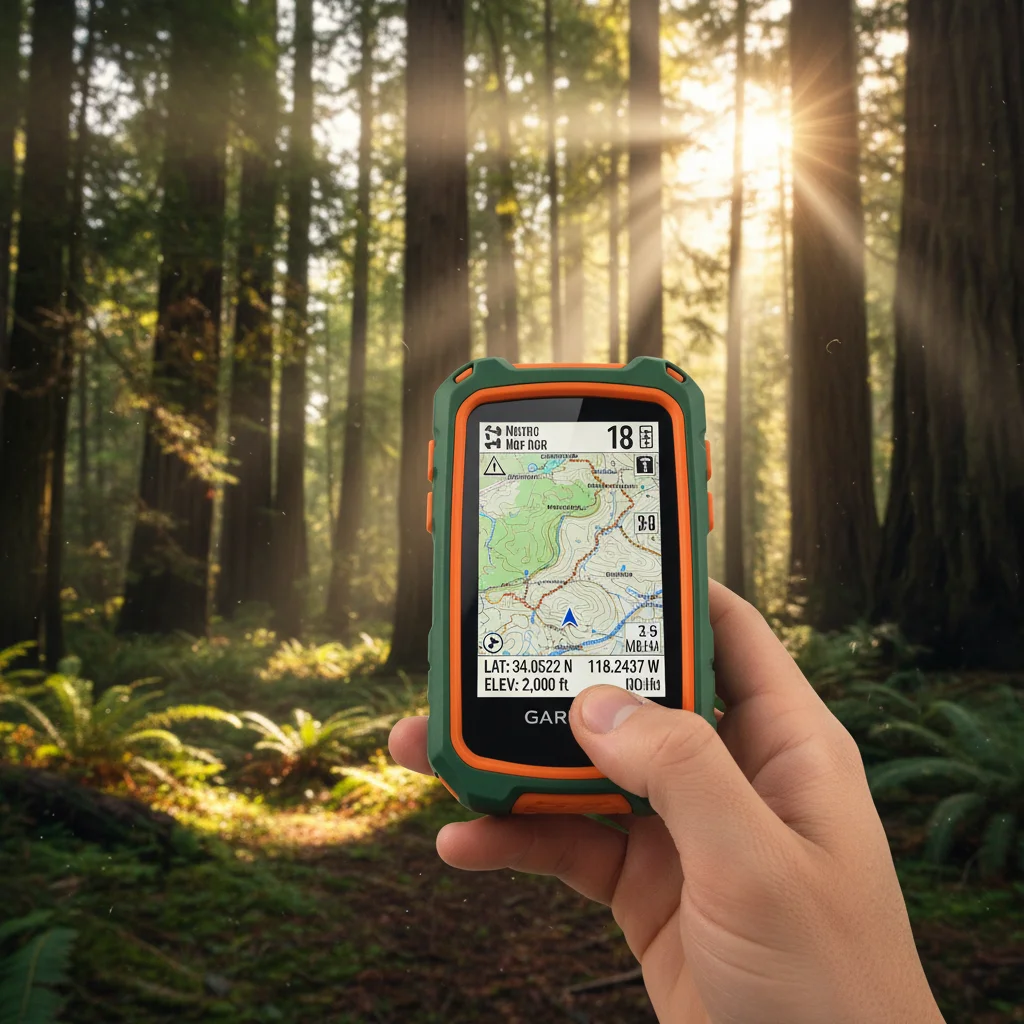
Beyond the traditional map and compass, a reliable GPS device can offer an extra layer of security. These devices are purpose-built for rugged environments, often waterproof and shock-resistant. They can pinpoint your exact location, track your route, and even help you find your way back to a starting point. Always ensure your GPS device has fresh batteries and that you know how to operate it proficiently before your trip.
Anúncios
Remember, technology can fail, but a paper map and a compass, combined with your knowledge of reading them, rarely will. Always carry multiple ways to navigate, and practice using them regularly. This redundancy ensures you’re never truly lost, even if one tool gives out.
Emergency Shelter: Protection from the Elements
Unexpected weather changes or an unplanned overnight stay can quickly turn dangerous without adequate protection from the elements. An emergency shelter is a critical piece of backcountry survival gear that can prevent hypothermia or hyperthermia. This doesn’t necessarily mean carrying a full tent on every trip, but rather having a lightweight, compact option that can provide immediate refuge.
Options range from simple emergency bivvy bags to ultralight tarps or even a large, heavy-duty garbage bag. The key is to have something that can shield you from wind, rain, and cold. Even on a seemingly perfect day, a sudden storm can roll in, or an injury could force you to spend the night out. A compact emergency blanket, often made from reflective material, can also significantly boost your warmth by reflecting body heat.
Consider the environment you’ll be in when choosing your emergency shelter. A bivvy bag might be perfect for a solo hiker in temperate climates, while a small tarp might offer more versatility for a group or in areas with unpredictable rain. Whatever you choose, make sure it’s easy to deploy and that you’ve practiced setting it up at least once before you’re in a real emergency.
First-Aid Kit: Ready for the Unexpected
Accidents happen, even to the most experienced adventurers. A well-stocked and up-to-date first-aid kit is an absolute non-negotiable for any backcountry excursion. It should be comprehensive enough to handle common injuries and ailments you might encounter, from blisters and minor cuts to sprains and allergic reactions. Don’t just throw a few band-aids in a bag; think about what you might need if you were hours or even days away from professional medical help.
What to Include in Your Kit
- Wound Care: Antiseptic wipes, various sizes of bandages, gauze pads, medical tape, and butterfly closures.
- Pain Relief & Medication: Over-the-counter pain relievers, anti-inflammatory drugs, and any personal prescription medications.
- Blister Treatment: Moleskin or specialized blister pads are crucial for hikers.
- Allergy & Insect Bites: Antihistamines and sting relief wipes.
- Tools: Tweezers for splinters, small scissors, and disposable gloves.
Beyond the items themselves, knowing how to use everything in your kit is equally important. Consider taking a wilderness first-aid course to gain the confidence and skills necessary to respond effectively in an emergency. Regularly check expiration dates on medications and replace used items so your kit is always ready.
Fire Starter: Source of Warmth and Signal
The ability to start a fire is a fundamental survival skill and a crucial component of your backcountry survival gear. Fire provides warmth, allowing you to dry wet clothes and prevent hypothermia. It can also be used to cook food, purify water, and create a signal for rescuers. Relying on a single method of fire starting is risky; redundancy is key in survival situations.
Carrying multiple fire-starting tools ensures that if one fails or gets wet, you have a backup. Waterproof matches stored in a sealed container are a classic choice, as are lighters. However, a ferrocerium rod (often called a ferro rod or fire steel) is an incredibly reliable, long-lasting option that works even when wet. Combine this with some waterproof tinder, such as cotton balls soaked in petroleum jelly or commercial fire starter tabs, to make starting a fire much easier.
Practice makes perfect when it comes to fire starting. Don’t wait until an emergency to try out your tools. Learn how to gather and prepare natural tinder and kindling, and practice building a small, controlled fire in various conditions. This skill is invaluable and can significantly boost your confidence and safety in the wilderness.
Water Purification: Staying Hydrated Safely
Water is essential for survival, and access to clean drinking water can be a major challenge in the backcountry. Carrying enough water for an entire trip can be impractical due to weight, so having reliable water purification methods is a critical part of your backcountry survival gear. Dehydration can quickly impair judgment and physical ability, making safe travel difficult.
There are several effective methods for purifying water in the field. Portable water filters are popular, lightweight, and can quickly remove bacteria and protozoa. Many come in a ‘squeeze’ style or as part of a bottle. Chemical treatment tablets, like iodine or chlorine dioxide, are another compact and reliable option, though they often require a waiting period. Boiling water is the oldest and most effective method, killing all pathogens, but it requires a heat source and time.
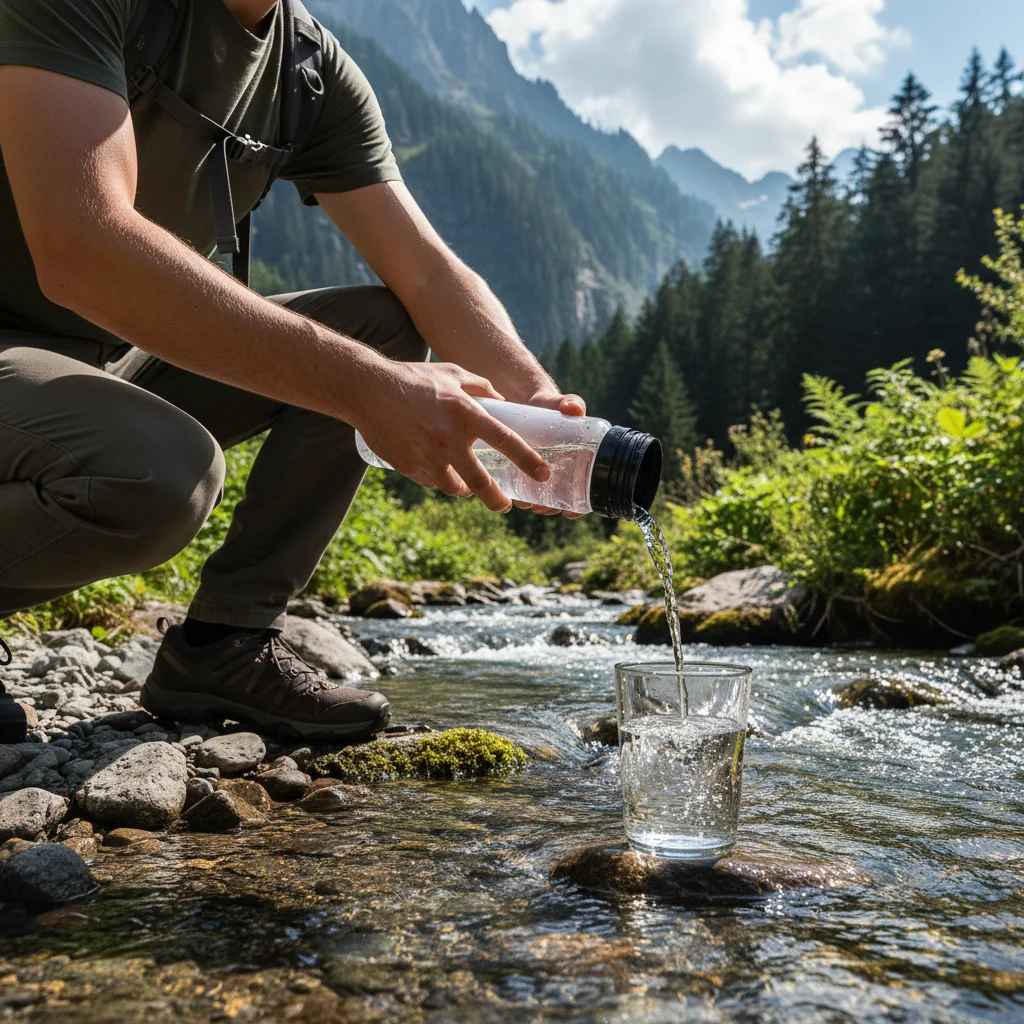
Always carry at least two different methods of water purification. For example, a portable filter combined with chemical tablets provides excellent redundancy. No matter your chosen method, understand its limitations and always source water from the clearest, fastest-moving streams or springs available to minimize contaminants. Staying hydrated safely is paramount for your health and well-being in the wilderness.
Illumination: Light in the Darkness
When the sun sets in the backcountry, darkness can be absolute and disorienting. A reliable source of illumination is not just a convenience; it’s a safety essential, preventing falls, aiding navigation, and allowing you to set up camp or attend to emergencies after dark. Without light, even simple tasks become incredibly difficult, and the risk of injury increases dramatically.
A headlamp is generally preferred over a flashlight because it keeps your hands free for other tasks, like setting up a tent or cooking. Look for models with adjustable brightness settings, a red light option (to preserve night vision), and a long battery life. Always carry extra batteries, and consider a small, lightweight backup light source as well. Some modern headlamps are rechargeable via USB, which can be convenient if you carry a portable power bank.
Even if you plan to be back before dark, unexpected delays can occur. A twisted ankle, a wrong turn, or a sudden change in weather can leave you out longer than anticipated. Having a dependable light source ensures you can continue to move safely or set up an emergency camp, maintaining visibility and morale until daylight returns.
Emergency Signaling: Be Seen, Be Heard
In a true emergency, being able to signal for help is paramount. Your backcountry survival gear should include items designed to attract attention from rescuers, whether they are on foot, in the air, or on the water. Even if you’ve taken every precaution, unforeseen circumstances can arise, and effective signaling can dramatically increase your chances of a swift rescue.
A whistle is one of the simplest yet most effective signaling devices. Its sharp, distinct sound carries much further than the human voice, especially in windy conditions or over long distances. Three short blasts is the universal distress signal. A signal mirror, capable of reflecting sunlight over many miles, is another powerful tool, particularly useful in open terrain or for attracting aircraft. Learn how to aim it accurately.
Consider carrying a personal locator beacon (PLB) or a satellite messenger for more advanced signaling. These devices can send your exact GPS coordinates to emergency services, even from the most remote locations. While an investment, they offer unparalleled peace of mind. Always test your signaling devices before your trip and ensure you understand how to use them correctly in an emergency.
Frequently Asked Questions
Q: How often should I check and refresh my backcountry survival gear?
A: You should check your gear at least twice a year, ideally before and after your main outdoor season. Replace expired medications, test batteries, and ensure all components are in good working order. It’s also wise to do a quick check before each major trip.
Q: Is it really necessary to carry a physical map and compass if I have a GPS device?
A: Absolutely. GPS devices can fail due to battery drain, damage, or signal loss. A physical map and compass are completely independent of technology and provide a reliable backup, making them essential for true backcountry preparedness.
Q: What’s the most important item in a backcountry survival kit?
A: While all items are crucial, many experts agree that the ability to purify water and start a fire are among the most critical. Staying hydrated and warm are fundamental to survival, so having reliable tools for these tasks is paramount.
Q: Can I use my phone’s flashlight as a reliable light source?
A: While your phone’s flashlight can be useful in a pinch, it’s not a reliable primary light source for the backcountry. It drains your phone’s battery quickly, which you might need for emergencies, and dedicated headlamps offer superior brightness, battery life, and durability.
Q: Should I pack food in my survival kit, and if so, what kind?
A: Yes, carrying extra food is highly recommended. Pack non-perishable, high-calorie, and easy-to-eat items like energy bars, nuts, or dehydrated meals. These can provide essential energy if your trip takes longer than expected or you face an unplanned overnight stay.
Official Resources
- National Park Service: Wilderness First Aid
- USDA Forest Service: Backcountry Safety
- Ready.gov: Build a Kit
- American Red Cross: Survival Kit Supplies
Conclusion
Embarking on a backcountry adventure offers unparalleled opportunities for exploration and connection with nature. However, these experiences come with inherent risks that demand respect and thorough preparation. Equipping yourself with essential backcountry survival gear isn’t about expecting the worst; it’s about empowering yourself to handle any challenge that arises with confidence and competence. From reliable navigation tools that guide your path to emergency shelters that shield you from the elements, each item plays a vital role in your safety net.
We’ve explored the seven crucial categories: navigation, emergency shelter, first-aid, fire starting, water purification, illumination, and signaling. Each piece of gear, when combined with proper training and a cautious mindset, significantly enhances your ability to respond to unexpected situations. Remember, the wilderness is beautiful but unforgiving. Take the time to assemble your kit, practice using its contents, and continuously update your knowledge. Your preparedness is the most powerful tool you carry, ensuring that your time in the wild remains memorable for all the right reasons. Stay safe, explore wisely, and always be ready for your next adventure.
