Lighten Your Load: Reduce Backpacking Gear Weight
Anúncios
Anúncios
Lighten Your Load: Reduce Backpacking Gear Weight by 15%
Embarking on a backpacking trip promises adventure, breathtaking views, and a deep connection with nature. However, a heavy pack can quickly turn that dream into a grueling struggle. Learning to effectively reduce gear weight is not just about comfort; it’s about enhancing your entire outdoor experience, allowing you to cover more ground, enjoy the scenery, and minimize strain on your body. This comprehensive guide will walk you through practical, step-by-step strategies to shave off a significant 15% of your pack’s weight, transforming your trek into a more enjoyable and efficient journey.
Assess Your Current Gear and Calculate Base Weight
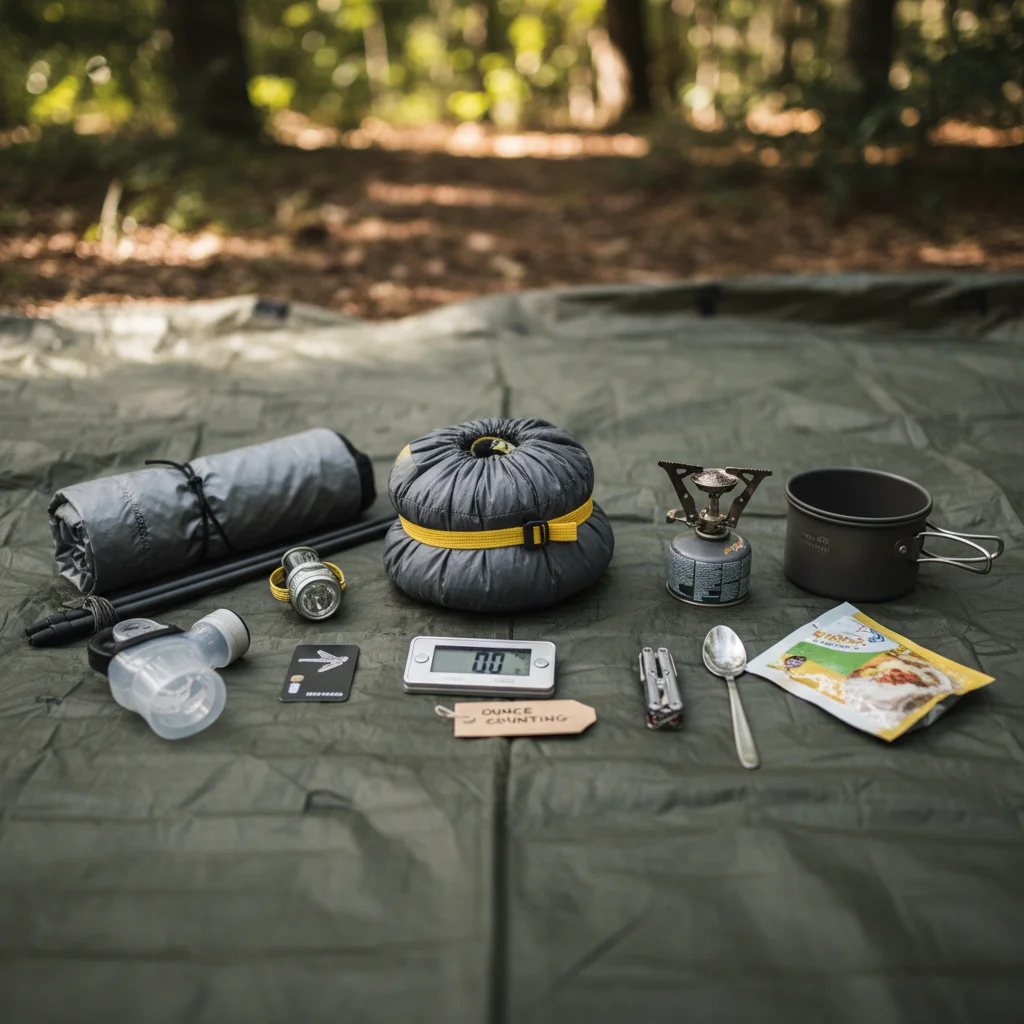
Before you can start shedding pounds, you need to know what you’re currently carrying. This initial assessment is crucial for understanding where the heaviest items are and identifying the easiest targets for weight reduction. Gather all the gear you typically take on a backpacking trip, excluding consumables like food, water, and fuel. These items are often referred to as your “base weight.” Weigh each item individually, no matter how small it seems. A kitchen scale works perfectly for this task. Keep a detailed list of every single item and its weight. This meticulous inventory will reveal surprising culprits and highlight areas where even small changes can add up to significant savings. Don’t skip this step; it’s the foundation of effective weight reduction.
The Importance of Ounce Counting
- Every ounce adds up, especially over long distances.
- Small, seemingly insignificant items can contribute to overall heaviness.
- Knowing individual weights helps prioritize replacements or omissions.
The “Big Three” – Your Primary Targets for Weight Savings
When aiming to reduce gear weight, the “Big Three” are your tent, sleeping system (sleeping bag and pad), and backpack itself. These items typically constitute the largest portion of your base weight, making them prime candidates for substantial reductions. Upgrading just one of these components to a lighter alternative can often achieve more significant savings than meticulously trimming ounces from a dozen smaller items. For example, switching from a heavy, multi-person tent to a lightweight, single-person shelter can cut pounds instantly. Similarly, a modern, high-fill-power down sleeping bag can offer the same warmth as an older, synthetic one at a fraction of the weight. Researching lighter models and materials for these core pieces should be your first priority.
Anúncios
Evaluate Every Item: Necessity vs. Luxury
Once you’ve tackled the Big Three, it’s time to scrutinize every other item in your pack. This step requires an honest assessment of what you truly need versus what you merely want or might use. Lay out all your gear and pick up each item, asking yourself: “Is this essential for safety, survival, or comfort?” Consider multi-use items that can perform several functions, thereby eliminating the need for separate tools. For instance, a trekking pole can double as a tent pole or a splint. Furthermore, think about leaving behind “just in case” items that have a low probability of being used. While preparedness is important, carrying excessive redundancies adds unnecessary weight. This critical evaluation helps you make informed decisions about what makes the cut.
Many hikers carry items out of habit, not necessity. Challenge these habits. Do you really need that large camp chair, or will a small sit pad suffice? Is a heavy camera lens truly indispensable, or can your phone capture adequate photos? Be ruthless but realistic; safety should never be compromised. The goal is to find the sweet spot between preparedness and lightweight efficiency. Every item that stays in your pack should earn its place by proving its value and necessity for the trip at hand.
Smart Clothing Choices and Packing Strategies
Clothing can be a surprisingly heavy category, but smart choices can significantly reduce its impact on your overall pack weight. Focus on versatile, quick-drying layers made from synthetic materials or merino wool, which offer excellent warmth-to-weight ratios and manage moisture effectively. Avoid cotton, which absorbs moisture and takes a long time to dry, adding both weight and discomfort. Instead of packing multiple outfits, plan for a layering system that can be adapted to various temperatures and conditions. Wear your heaviest layers while hiking to avoid packing them. Additionally, consider compression sacks for clothing to minimize bulk, though they don’t reduce actual weight. Think about what you truly need for the duration and climate of your trip.
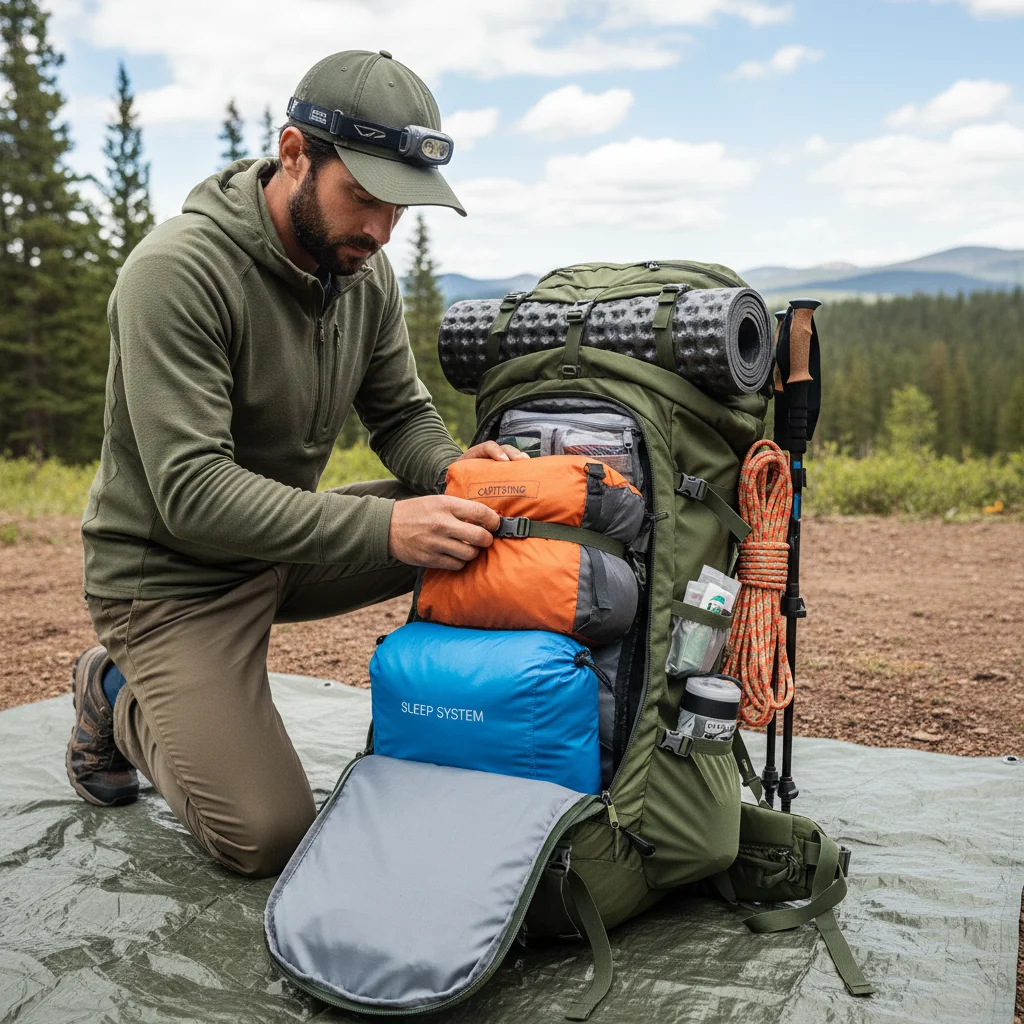
When packing, distribute weight evenly and place heavier items closer to your back and shoulders for better balance. Utilize all available space efficiently, stuffing smaller items into gaps. Rolling clothes tightly can save space, but remember that space savings don’t always translate to weight savings. The key is to pack only what’s necessary and ensure every piece of clothing serves a purpose. By making deliberate decisions about your apparel, you can significantly lighten your load without sacrificing comfort or safety on the trail. This mindful approach to clothing selection and packing contributes greatly to your goal to reduce gear weight.
Optimize Consumables: Food, Water, and Fuel
While food, water, and fuel are not part of your base weight, they represent a significant portion of your pack’s total weight, especially on longer trips. Optimizing these consumables is a powerful way to reduce gear weight on the trail. For food, focus on calorie-dense, dehydrated, and lightweight options. Repackage meals from their original bulky packaging into lightweight Ziploc bags. Plan your meals precisely to avoid carrying excess. For water, carry only what you need between reliable water sources and utilize a lightweight water filter or purification tablets instead of carrying large quantities of bottled water. For fuel, calculate your exact needs for cooking and heating, bringing only the necessary amount for your trip duration. Every ounce saved here directly impacts your daily carrying burden.
Consider the efficiency of your cooking system. A smaller, more efficient stove and pot can reduce both the weight of your cooking gear and the amount of fuel you need. Think about cold soaking meals if appropriate for your trip, eliminating the need for fuel entirely. Pre-planning your water stops and understanding the availability of water on your route is critical. Overestimating water needs can lead to carrying several unnecessary pounds. By being strategic with your consumables, you can achieve substantial daily weight reductions, making your hike much more comfortable and enjoyable.
Frequently Asked Questions
What is “base weight” in backpacking?
Base weight refers to the total weight of all your gear excluding consumables like food, water, and fuel. It’s the static weight you carry regardless of trip length, making it a key metric for lightweight backpacking.
Is it safe to cut corners on essential safety gear to reduce weight?
No, safety should never be compromised to save weight. Always carry essential items like a first-aid kit, navigation tools, and appropriate shelter. Focus on finding lighter versions of these items rather than eliminating them.
How much weight can I realistically expect to save?
By following these steps, many backpackers can realistically save 15% or more of their total pack weight. Some dedicated ultralight enthusiasts achieve even greater reductions, often cutting their base weight in half.
Should I invest in expensive ultralight gear all at once?
It’s generally not recommended to buy all new gear at once. Start by identifying your heaviest items and gradually replace them with lighter alternatives as your budget allows. Many weight savings can also be achieved through smarter packing and item selection.
What are some common mistakes when trying to lighten a pack?
Common mistakes include cutting safety essentials, not weighing individual items, carrying too many “just in case” items, and not optimizing consumables like food and water. A systematic approach is crucial.
Official Resources
- REI Expert Advice: Ultralight Backpacking Basics
- Backpacker Magazine: How to Lighten Your Backpacking Load
- Lightweight Backpacking: Tips, Gear, and Resources
- The Trek: Ultralight Gear Reviews and Advice
Conclusion
Successfully reducing your backpacking gear weight by 15% is a transformative goal that will profoundly enhance your outdoor adventures. By systematically assessing your current load, strategically targeting the “Big Three” items, and making deliberate choices about every piece of gear, you gain not just a lighter pack but a more enjoyable and sustainable hiking experience. Remember, this isn’t about deprivation, but about optimization – finding the perfect balance between preparedness and efficiency. Each ounce you shed translates into less strain, more energy, and a greater ability to immerse yourself in the beauty of your surroundings. Start small, be consistent with your evaluations, and don’t be afraid to experiment with new gear or packing methods. Embrace the journey of lightening your load, and you’ll discover a newfound freedom on the trail that will keep you coming back for more. Happy trails!
