Wilderness First Aid: Your Essential 72-Hour Emergency Guide
When you venture into the great outdoors, the thrill of adventure often comes with an unspoken understanding: you are entering an environment where unforeseen challenges can arise. That’s why mastering wilderness first aid is not just a good idea; it’s an absolute necessity for anyone spending time away from immediate medical help. This guide will walk you through the essential knowledge and gear needed to effectively manage the critical first 72 hours of an emergency in remote settings.
Understanding how to respond to injuries or illnesses when professional medical assistance is hours or even days away can literally be the difference between a minor setback and a dire situation. From sprained ankles on a rugged trail to unexpected allergic reactions, being prepared with the right skills and a well-stocked kit ensures you can provide immediate, life-saving care. Let’s delve into what every adventurer needs to know to stay safe and self-reliant.
Assessing the Scene and Patient: Your First Steps
Before you even touch a patient in a wilderness emergency, the very first and most crucial step is to assess the scene for safety. This means looking for any immediate dangers to yourself, your patient, or your group. Things like falling rocks, unstable terrain, aggressive wildlife, or even approaching storms can turn one emergency into many. Your personal safety is paramount; you can’t help others if you become a casualty yourself. Once the scene is deemed safe, or risks are mitigated, you can then approach the patient.
After ensuring safety, your next priority is to assess the patient’s condition. This rapid assessment is often called the ‘primary survey’ and focuses on immediate life threats. You’ll check for responsiveness, airway, breathing, and circulation (the ABCs). Is the patient conscious? Are they breathing? Do they have a pulse? Any significant bleeding must be addressed immediately. Don’t get sidetracked by a scraped knee if the patient isn’t breathing. This initial survey dictates your immediate actions and helps you prioritize care.
Once immediate life threats are under control, or if none are present, you’ll move to a ‘secondary survey.’ This involves a more thorough head-to-toe examination to identify all injuries and medical conditions. Talk to the patient if they are conscious, asking about what happened, where it hurts, and any pre-existing medical conditions or allergies. Look for signs of injury like swelling, deformity, bruising, and open wounds. This systematic approach ensures you don’t miss anything important and can provide comprehensive wilderness first aid.
Essential Components of a Wilderness First Aid Kit
A well-stocked wilderness first aid kit is your lifeline in an emergency. It’s not just about having a box of band-aids; it’s about having the right tools to manage significant injuries and illnesses far from professional medical help. The contents should be tailored to the specific environment, duration, and number of people in your group, but certain core items are universally essential. Think about what you might need for common injuries like cuts, sprains, burns, and allergic reactions, as well as more severe issues.
When assembling your kit, consider durability and weight. Items should be protected from moisture and organized so you can quickly find what you need. Don’t just throw things in; pack them logically. Clearly label compartments or bags within your kit. Regularly check expiration dates on medications and replace anything that’s used or expired. A comprehensive kit provides peace of mind and the practical means to address a wide range of medical incidents, making your wilderness first aid efforts more effective.
Key Items for Your Kit
- Wound Care: Assorted bandages, sterile gauze pads, adhesive tape, antiseptic wipes, antibiotic ointment, and butterfly closures.
- Medications: Pain relievers (ibuprofen, acetaminophen), allergy medication (antihistamines), anti-diarrhea medication, and any personal prescription medications.
- Tools: Scissors, tweezers, safety pins, a thermometer, and a CPR face shield.
- Protection: Disposable gloves, hand sanitizer, and a space blanket for warmth/shock.
- Specialty Items: Blister treatment, moleskin, elastic bandages for sprains, and a headlamp for night use.
Remember, the best kit is one you know how to use. Take the time to familiarize yourself with each item and its purpose before you head out.
Managing Common Injuries: Sprains, Fractures, and Wounds
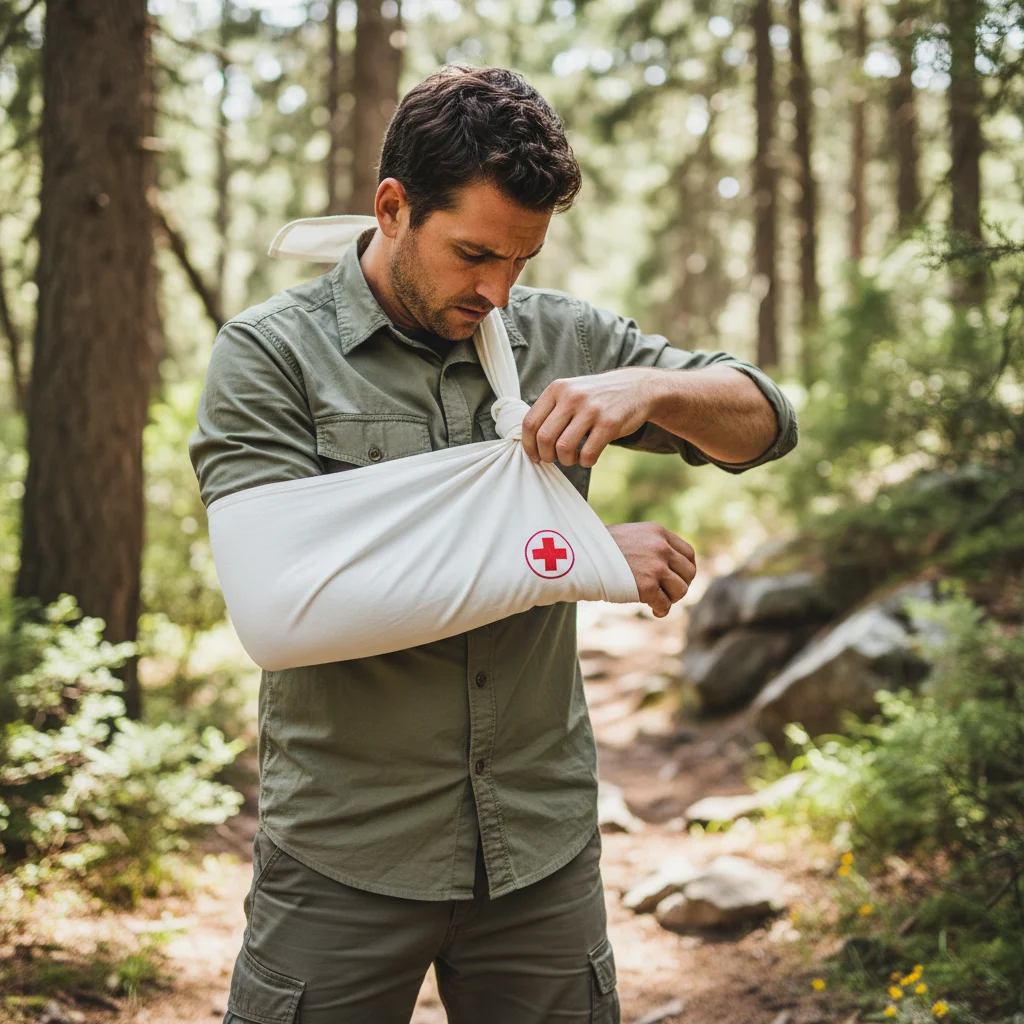
In the wilderness, injuries like sprains, fractures, and open wounds are among the most frequent incidents you might encounter. Knowing how to properly manage these can prevent further damage, reduce pain, and stabilize the patient until professional help arrives or you can evacuate. A sprain, for instance, occurs when ligaments are stretched or torn, often around joints like ankles or wrists. Fractures involve a break in a bone, which can range from a hairline crack to a complete break with bone displacement. Open wounds, from minor scrapes to deep lacerations, always carry the risk of infection.
For sprains and suspected fractures, the R.I.C.E. method (Rest, Ice, Compression, Elevation) is your immediate go-to. Rest the injured part, apply cold (if available, like snow or cold water in a bag) to reduce swelling, compress with an elastic bandage, and elevate the limb above the heart. For fractures, stabilization is key. Use splints made from available materials like sticks, tent poles, or rolled-up clothing, securing them with tape or bandages to prevent movement. Always check for circulation below the splint. The goal is to make the patient as comfortable as possible and prevent further injury during transport.
When dealing with open wounds, the priority is to stop bleeding and prevent infection. Apply direct pressure to the wound with a clean cloth or gauze. Once bleeding is controlled, clean the wound thoroughly with clean water and antiseptic wipes. Apply antibiotic ointment and cover with a sterile dressing. For larger or deeper wounds, consider butterfly closures to help approximate the edges before bandaging. Always monitor for signs of infection, such as redness, swelling, pus, or increased pain, which might indicate a need for more urgent medical attention. Proper wound care is a cornerstone of effective wilderness first aid.
Environmental Hazards: Hypothermia, Heatstroke, and Bites
The wilderness presents a unique set of environmental challenges that can quickly turn into medical emergencies. Understanding and responding to conditions like hypothermia, heatstroke, and various bites is crucial for survival. Hypothermia, a dangerous drop in body temperature, can occur even in mild weather if a person is wet and exposed to wind. Symptoms range from shivering and confusion to loss of consciousness. Heatstroke, conversely, is a severe form of heat illness where the body overheats, often resulting from prolonged exposure to high temperatures or physical exertion in hot conditions. It’s a life-threatening emergency characterized by a high body temperature, confusion, and hot, dry skin.
Treating hypothermia involves getting the person to a warm, dry place, removing wet clothing, and slowly rewarming them with dry clothes, warm drinks, and body heat (skin-to-skin contact). Avoid vigorous rubbing, which can push cold blood back to the core. For heatstroke, immediate cooling is paramount. Move the person to a cooler, shaded area, remove excess clothing, and cool them rapidly with water, fanning, or applying ice packs to the neck, armpits, and groin. Both conditions require constant monitoring and, if possible, evacuation to professional medical care once stabilized.
Bites from insects, spiders, and snakes are another common concern. While most insect bites are merely irritating, some can cause severe allergic reactions or transmit diseases. Snakebites, especially from venomous species, are serious. Identify the type of bite if possible, clean the area, and monitor for allergic reactions or venom effects. For snakebites, keep the affected limb still and below heart level, and seek immediate medical help. Never try to cut or suck out venom. Knowing how to identify and react to these environmental threats is a vital part of your wilderness first aid toolkit, ensuring you can protect yourself and your companions.
Emergency Evacuation and Long-Term Care Considerations
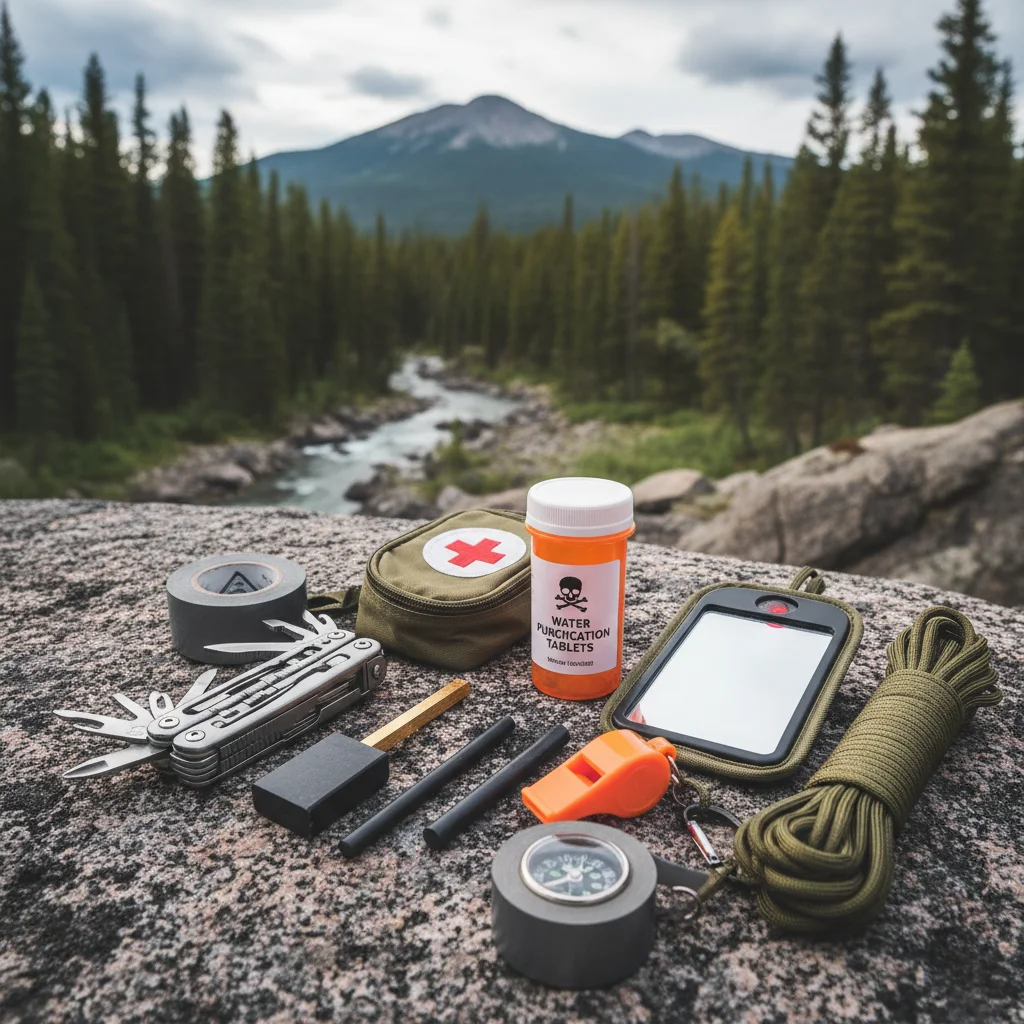
Once immediate first aid is administered, the next critical phase in a wilderness emergency often involves planning for evacuation and considering long-term patient care. Evacuation is rarely simple in remote areas. It requires careful assessment of the patient’s condition, the severity of their injuries, the available resources, and the environmental factors. Sometimes, a self-evacuation is possible if the patient can walk with assistance. Other times, a more complex evacuation strategy involving external rescue teams, specialized equipment, or even air transport might be necessary. Having a pre-planned emergency communication device, like a satellite messenger or a personal locator beacon, is invaluable for calling for help.
During a prolonged wait for rescue or during a multi-day self-evacuation, ongoing patient care is paramount. This includes pain management, preventing infection in wounds, maintaining hydration and nutrition, and protecting the patient from environmental extremes. Regular reassessment of the patient’s condition is essential to catch any deterioration early. For example, a stable fracture might become unstable during transport, or a seemingly minor wound could show signs of infection after a day or two. Your ability to provide continuous, thoughtful care directly impacts the patient’s prognosis.
Long-term considerations also involve psychological support. Being injured or stranded in the wilderness can be a terrifying experience. Keeping the patient calm, informed, and as comfortable as possible can significantly aid their recovery and resilience. Leadership, clear communication, and a calm demeanor from the rescuer are vital. Remember, your role in wilderness first aid extends beyond just treating physical ailments; it encompasses managing the entire emergency situation, from the initial injury to a safe return to civilization. Preparation for these extended scenarios is just as important as the initial response.
Frequently Asked Questions
What is the most important item to have in a wilderness first aid kit?
While many items are crucial, a well-stocked kit with personal medications and a reliable method for communication (like a satellite messenger) are arguably the most important. The ability to call for help and manage ongoing conditions can be life-saving.
How often should I refresh my wilderness first aid kit?
You should inspect your kit at least twice a year. Check all expiration dates on medications and other sterile items, replace anything that has been used, and update items based on your planned trips and the specific environment.
What’s the difference between heat exhaustion and heatstroke?
Heat exhaustion is less severe, characterized by heavy sweating, weakness, and nausea. Heatstroke is a medical emergency with a high body temperature, hot/dry skin, confusion, and potential loss of consciousness, requiring immediate cooling and medical attention.
Should I move someone with a suspected spinal injury?
Generally, no. If a spinal injury is suspected, the patient should be immobilized as much as possible to prevent further damage. Only move them if there’s an immediate, life-threatening danger that outweighs the risk of moving them.
How can I learn more about wilderness first aid?
Consider taking a certified Wilderness First Aid (WFA) or Wilderness First Responder (WFR) course. These courses provide hands-on training and in-depth knowledge specifically tailored to remote environments, taught by experienced instructors.
Official Resources
- National Outdoor Leadership School (NOLS) Wilderness Medicine
- Wilderness First Aid (WFA)
- American Red Cross Wilderness and Remote First Aid
- CDC – Heat Stress in the Wilderness
Conclusion
Preparing for the unexpected in the wilderness is a testament to responsible adventuring. By understanding the principles of wilderness first aid, from initial scene assessment to managing complex injuries and environmental hazards, you equip yourself with critical life-saving skills. A well-organized and regularly updated first aid kit, combined with practical knowledge, empowers you to act confidently and effectively when professional medical help is not readily available. Remember, the goal is not just to survive, but to thrive, and that begins with preparedness.
Every trip into nature, whether a short day hike or an extended expedition, carries inherent risks. Taking the time to learn and practice these essential wilderness first aid techniques can make all the difference in an emergency. Invest in your safety and the safety of your companions by embracing this vital aspect of outdoor readiness. Your proactive approach today could be the key to a successful outcome tomorrow, ensuring that your wilderness adventures remain positive and memorable experiences.
