Stay Safe: Avoiding Trail Injuries on Your 50-Mile Hike
Embarking on a 50-mile hike is an exhilarating challenge, a true test of endurance and spirit. However, the joy of the journey can quickly turn into discomfort or even danger if you’re not prepared for avoiding trail injuries. A long-distance trek demands meticulous planning and a proactive approach to safety, ensuring that every step you take brings you closer to your goal without unnecessary setbacks. Understanding common pitfalls and how to prevent them is not just about comfort; it’s about completing your adventure safely and successfully.
This comprehensive guide will walk you through four expert strategies essential for avoiding trail injuries, allowing you to focus on the breathtaking scenery and the accomplishment of your hike. From diligent physical preparation to smart gear choices, proper hydration, and crucial foot care, we’ll cover the vital aspects that seasoned hikers swear by. By integrating these strategies into your pre-hike routine and on-trail practices, you’ll significantly reduce the risk of common ailments like blisters, sprains, and dehydration, making your 50-mile hike a memorable and injury-free experience.
Thorough Physical Conditioning and Pre-Hike Preparation
Before you even step foot on the trail for a demanding 50-mile hike, your body needs to be adequately prepared. Neglecting physical conditioning is one of the primary reasons hikers encounter unexpected issues and injuries. A robust training regimen should start weeks, if not months, before your planned adventure, gradually building up your strength, endurance, and resilience. This preparation isn’t just about logging miles; it’s about conditioning your muscles, joints, and cardiovascular system for the sustained effort and varied terrain you’ll encounter.
Your training should mimic the conditions of your actual hike as closely as possible. This means incorporating long walks with a weighted pack, preferably on uneven terrain. Practice hiking uphill and downhill, as these movements engage different muscle groups and can put unique stresses on your knees and ankles. Cross-training activities like cycling, swimming, or strength training can also be incredibly beneficial, helping to build a well-rounded fitness base and prevent overuse injuries. Focusing on core strength, in particular, can improve your balance and stability, reducing the likelihood of falls on challenging trails.
Beyond physical training, mental preparation plays a crucial role. Visualize yourself successfully completing the hike, overcoming challenges, and maintaining a positive attitude. This mental fortitude will be invaluable when you face fatigue, discomfort, or unexpected obstacles on the trail. Proper nutrition and adequate sleep in the weeks leading up to your hike are also non-negotiable. Fueling your body with nutrient-rich foods and allowing for sufficient recovery time ensures your muscles are ready for the intense demands ahead, significantly contributing to avoiding trail injuries.
Strategic Gear Selection and Pack Management
The gear you choose and how you organize it can significantly impact your comfort and safety on a long hike, playing a critical role in avoiding trail injuries. Every item in your pack should serve a purpose, and its weight and placement matter. Overpacking can lead to unnecessary strain, fatigue, and an increased risk of falls, while underpacking might leave you unprepared for changing conditions. Striking the right balance is key, and it often comes down to thoughtful selection and efficient packing techniques.
Start with your footwear. High-quality hiking boots or shoes that are well broken-in and suitable for the terrain are paramount. They should offer good ankle support, adequate cushioning, and excellent grip. Never wear brand-new shoes on a long hike, as this is a guaranteed way to develop blisters and discomfort. Next, consider your backpack. It should fit correctly, distributing weight evenly across your hips and shoulders. A poorly fitting pack can cause chafing, back pain, and throw off your balance, making you more susceptible to stumbles.
Optimizing Your Pack for Safety and Comfort
- Weight Distribution: Place heavier items close to your back and between your shoulder blades for better balance. Lighter, bulkier items can go at the bottom, and frequently needed items on top or in accessible pockets.
- Essential Layers: Pack appropriate clothing layers for varying weather conditions. Moisture-wicking base layers, insulating mid-layers, and a waterproof outer shell are crucial. Cotton should be avoided as it retains moisture and can lead to hypothermia.
- Trekking Poles: These are invaluable for stability, especially on uneven terrain, stream crossings, and descents. They can reduce impact on your knees and help prevent falls.
- First Aid Kit: A comprehensive kit is non-negotiable. It should include supplies for blisters, cuts, sprains, and any personal medications. Knowing how to use these items is just as important as having them.
Before you head out, do a trial pack and a short hike with your full load to identify any discomfort or areas for improvement. Adjust your pack’s straps and weight distribution until it feels as comfortable as possible. This proactive approach to gear management is a cornerstone of avoiding trail injuries.
Maintaining Proper Hydration and Nutrition
Proper hydration and nutrition are not merely about comfort; they are fundamental pillars of safety and performance, especially when undertaking a strenuous 50-mile hike. Dehydration and inadequate calorie intake can lead to severe fatigue, muscle cramps, impaired judgment, and an increased risk of injury. Your body is a machine, and like any machine, it needs the right fuel and coolant to operate efficiently and safely for extended periods.
Water is arguably your most critical resource on the trail. Even mild dehydration can significantly impact your physical and mental capabilities. You should aim to drink water regularly, even before you feel thirsty, to stay ahead of your body’s needs. The amount of water required will vary depending on weather conditions, your exertion level, and individual physiology, but a good rule of thumb is to carry enough to consume at least half a liter to a liter per hour of hiking. Access to reliable water sources and a method for purification (filter, tablets, or UV sterilizer) are essential for longer treks.
Beyond water, replenishing electrolytes lost through sweat is vital. Sports drinks, electrolyte tablets, or even salty snacks can help maintain your body’s balance and prevent cramping. As for nutrition, your body needs a steady supply of energy. Focus on calorie-dense, easy-to-digest foods that provide a mix of carbohydrates, fats, and proteins. Complex carbohydrates offer sustained energy, while fats are crucial for long-term fuel. Protein helps with muscle repair and recovery.
Snack frequently throughout the day rather than relying on large meals. This helps maintain stable blood sugar levels and consistent energy. Good options include nuts, dried fruit, energy bars, jerky, and even small sandwiches. Listen to your body; if you feel a dip in energy, it’s often a sign that you need to refuel. Skipping meals or not drinking enough can quickly lead to exhaustion, making you clumsy and prone to accidents, thereby undermining all efforts in avoiding trail injuries.
Mastering Foot Care and Blister Prevention
Your feet are your most valuable assets on a 50-mile hike, and neglecting them is a sure path to misery and potential early exit from the trail. Blisters, hot spots, and general foot fatigue are among the most common complaints of long-distance hikers, yet many of these can be prevented with diligent foot care. Mastering foot care techniques is not just about treating problems as they arise; it’s about proactive prevention, ensuring your feet remain happy and functional throughout your entire journey.
The foundation of good foot care begins before the hike. Ensure your toenails are trimmed short and straight across to prevent them from digging into adjacent toes or causing discomfort in your boots. Calluses should be managed, but not completely removed, as they offer some protection. On the trail, the right socks are just as important as the right shoes. Opt for moisture-wicking synthetic or wool socks, and consider wearing a thin liner sock under a thicker outer sock. This two-layer system can reduce friction and wick away sweat, keeping your feet drier and cooler.
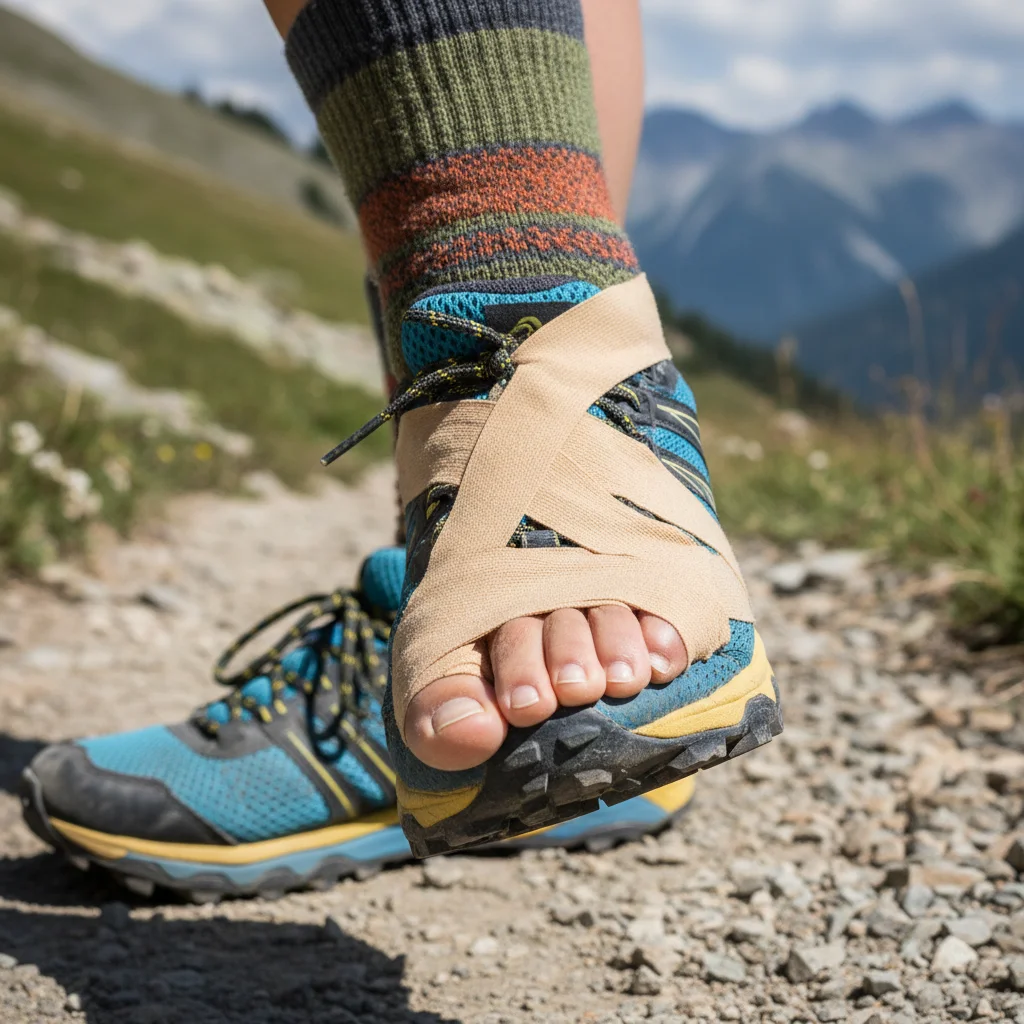
Regularly inspecting your feet for hot spots, redness, or tenderness is crucial. Don’t wait until a blister has fully formed. At the first sign of discomfort, stop and address the issue. Applying moleskin, athletic tape, or specialized blister patches to hot spots can prevent them from developing into full-blown blisters. If a blister does form, clean the area, drain it carefully with a sterilized needle, and cover it with a protective dressing. Never pop a blister if it’s small and not causing significant pain, as the skin offers natural protection against infection.
Beyond immediate care, give your feet a break whenever possible. During longer stops, take off your shoes and socks to let your feet air out and dry. Elevating your feet can also help reduce swelling. Massaging your feet at the end of the day can improve circulation and alleviate soreness. Consistent and proactive foot care is perhaps the single most impactful strategy for avoiding trail injuries, particularly those that can prematurely end your hike. Remember, happy feet make for a happy hiker.
Navigating Challenging Terrain and Weather Wisely
Even with the best physical conditioning, gear, hydration, and foot care, a 50-mile hike will inevitably present challenging terrain and unpredictable weather. Your ability to navigate these elements wisely is critical for avoiding trail injuries and ensuring a safe passage. Many accidents occur not due to lack of preparation, but due to poor decision-making when faced with difficult conditions. Therefore, developing sound judgment and adopting a cautious approach are paramount.
Before you even set out, thoroughly research the trail conditions. Understand the elevation changes, the type of terrain (rocky, muddy, exposed, forested), and any known hazards. Check the weather forecast meticulously, not just for your starting point but for the entire duration and length of your hike. Mountain weather can change rapidly and dramatically, so be prepared for anything from scorching sun to torrential rain, strong winds, or even unexpected snow, depending on the season and location. Having the right layers and rain gear is essential, as hypothermia can be a serious risk even in moderate temperatures if you get wet and cold.
On the trail, pay constant attention to your surroundings and your footing. Don’t rush, especially on descents or technical sections. Use trekking poles for added stability, and place your feet deliberately, testing uncertain surfaces before committing your full weight. When crossing streams or slippery rocks, take your time and look for the safest path. If you encounter a section that feels beyond your skill level or too risky, it’s always better to turn back or find an alternative route than to push through and risk a serious fall or injury.
Furthermore, be aware of your physical limits. Fatigue can significantly impair judgment and coordination. If you’re feeling overly tired, take a break, eat a snack, and rehydrate. Don’t hesitate to adjust your pace or even your itinerary if conditions become too challenging. Hiking with a partner or group also adds a layer of safety, as you can look out for each other and share the burden of decision-making. Exercising caution and respecting the power of nature are key to successfully navigating challenging terrain and weather, thereby effectively contributing to avoiding trail injuries.
Frequently Asked Questions
What are the most common injuries on long hikes?
Blisters, sprained ankles, knee pain, and muscle strains are among the most common injuries. Dehydration and heat exhaustion are also frequent, along with chafing and sunburn. Proper preparation can prevent most of these issues.
How can I prevent blisters on my feet?
To prevent blisters, wear well-fitting, broken-in hiking shoes and moisture-wicking socks (possibly a liner sock too). Keep your feet dry, trim toenails short, and apply moleskin or athletic tape to hot spots as soon as you feel discomfort.
Is it necessary to use trekking poles?
While not strictly mandatory, trekking poles are highly recommended. They provide stability, reduce impact on your knees, especially on descents, and can help navigate tricky terrain like stream crossings or slippery rocks, significantly aiding in avoiding trail injuries.
What should be in a basic trail first aid kit?
A basic kit should include blister treatment (moleskin, hydrocolloid bandages), antiseptic wipes, pain relievers, adhesive bandages, gauze, medical tape, insect repellent, and any personal medications. A small splint or elastic bandage for sprains is also wise.
How much water should I carry for a 50-mile hike?
This depends on conditions and water source availability. Aim to drink 0.5 to 1 liter per hour of hiking. Plan your water stops carefully and carry a reliable water filter or purification tablets to ensure you always have access to safe drinking water.
Official Resources
- [National Park Service Hiking Safety](https://www.nps.gov/articles/hiking-safety.htm)
- [Leave No Trace Center for Outdoor Ethics](https://lnt.org/why/7-principles/)
- American Hiking Society
- [Wilderness Medical Society](https://wms.org/)
Conclusion
Conquering a 50-mile hike is an achievement that rewards careful planning and a deep respect for the trail. By diligently applying the four expert strategies discussed—thorough physical conditioning, strategic gear selection, vigilant hydration and nutrition, and meticulous foot care—you are not just preparing for a hike; you are investing in a safe and profoundly rewarding experience. Each of these elements works in concert to fortify your body and mind against the rigors of long-distance trekking, drastically reducing the likelihood of encountering common ailments and more serious injuries.
Remember, the journey itself is as important as the destination. Approaching your hike with a mindset of preparedness and caution will allow you to fully immerse yourself in the beauty of nature, rather than being distracted by preventable discomfort. Prioritizing avoiding trail injuries means you can focus on the breathtaking views, the quiet solitude, and the personal triumph that comes with every mile covered. So, plan wisely, train consistently, and step onto the trail with confidence, knowing you’ve taken every measure to ensure your next 50-mile adventure is not only memorable but also incredibly safe.
