Avoid Travel Scams: 3 Red Flags to Watch Out For This Year
Planning a trip should be an exciting endeavor, filled with anticipation for new experiences and cherished memories. However, the unfortunate reality is that the travel industry, much like any other, attracts opportunistic scammers looking to exploit unsuspecting travelers. To truly enjoy your adventures, it’s more important than ever to know how to avoid travel scams and recognize the warning signs. This year, as travel resumes its bustling pace, scammers are also refining their tactics, making vigilance a traveler’s best friend. Being aware of the common schemes and understanding the red flags can make all the difference between a dream vacation and a costly nightmare.
Our goal with this guide is to equip you with the knowledge needed to identify and steer clear of these deceptive practices. We’ll delve into three critical red flags that should immediately raise your suspicion, helping you protect your finances and personal information. By understanding these indicators, you can confidently navigate booking flights, accommodations, and activities, ensuring your travel plans remain secure and enjoyable. Let’s explore how to safeguard your journey against the increasingly sophisticated ploys designed to trick even the most seasoned globetrotters.
Red Flag 1: Unsolicited Offers and High-Pressure Sales Tactics
One of the most pervasive and dangerous types of scams involves unsolicited offers, often accompanied by high-pressure sales tactics. Imagine receiving an email or phone call out of the blue, congratulating you on winning a free vacation package or offering an unbelievably cheap deal to a dream destination. While the allure of a free trip or a significant discount is strong, these offers are almost always too good to be true. Scammers use these hooks to draw you in, creating a sense of urgency to prevent you from thinking critically or doing proper research. They might claim the offer is only valid for a few hours, or that there are limited spots available, pushing you to make a quick decision without consulting others or verifying the legitimacy of the offer.
These unsolicited communications can come in various forms: emails that look like they’re from legitimate travel companies, social media messages, or even phone calls. The language used is often manipulative, designed to make you feel special or lucky, and to bypass your natural skepticism. They might ask for immediate payment to secure the ‘deal,’ or request personal details such as credit card information, passport numbers, or even your Social Security number. Once they have this information, they can either disappear with your money or use your personal data for identity theft. Remember, legitimate travel companies rarely, if ever, offer incredible deals through unsolicited contact that demands immediate action.
To effectively avoid travel scams involving unsolicited offers, always be suspicious of any communication that pressures you to act quickly. Take a moment to pause, breathe, and question the legitimacy of the offer. A genuine travel deal will allow you time to review terms and conditions, compare prices, and conduct independent research. Never feel obligated to commit to an offer on the spot, especially if it involves sharing sensitive personal or financial information. Your caution in these situations is your strongest defense against falling victim to deceptive sales practices.
Red Flag 2: Vague Details and Lack of Transparency
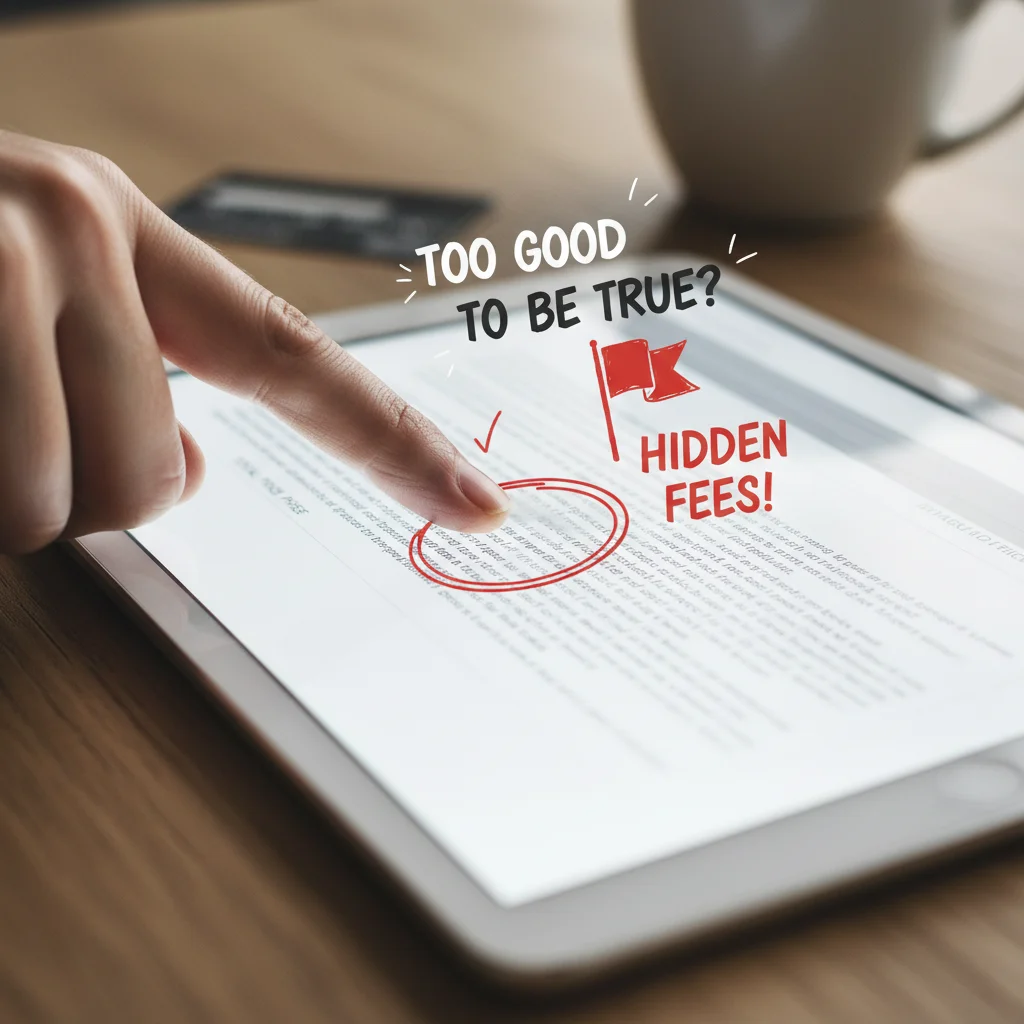
Another significant red flag when trying to avoid travel scams is a general vagueness in details and a noticeable lack of transparency from the supposed travel provider. Legitimate travel agencies and tour operators pride themselves on providing clear, comprehensive information about their packages, including itineraries, accommodation details, transportation, and all associated costs. Scammers, on the other hand, thrive in ambiguity. They will often provide very little specific information, using generic terms and avoiding concrete answers to your questions. When you inquire about the exact hotel, flight numbers, or specific activities, they might deflect or give non-committal responses, claiming details are ‘subject to change’ or ‘will be provided closer to the date.’ This lack of clarity is a deliberate tactic to obscure the fact that the promised services may not exist, or are of a significantly lower quality than advertised.
Beyond vague descriptions, look out for hidden fees or charges that are not disclosed upfront. A scam might advertise an incredibly low price, only to spring numerous ‘taxes,’ ‘resort fees,’ ‘service charges,’ or ‘administrative costs’ on you later, often at the point of payment. These additional costs can inflate the price significantly, sometimes even beyond what a legitimate offer would cost. A transparent provider will clearly itemize all costs from the outset, ensuring you know exactly what you’re paying for. If the total price keeps changing or new fees emerge unexpectedly, consider it a major warning sign.
Furthermore, a lack of transparency can extend to the company itself. Scammers often operate under obscure or recently created business names, with little to no online presence or verifiable reviews. They might not have a physical address, or the address they provide could be fake. Always check for a professional website with detailed ‘About Us’ and ‘Contact Us’ pages, and look for online reviews from multiple sources. If you can’t find clear information about the company’s registration, history, or customer feedback, it’s a strong indication that you should proceed with extreme caution. Genuine businesses want to be found and vetted; scammers prefer to remain in the shadows.
Red Flag 3: Requests for Unusual Payment Methods
When you’re trying to avoid travel scams, one of the most glaring red flags is a request for unusual or non-traceable payment methods. Legitimate travel companies typically accept standard forms of payment, such as credit cards, secure online payment platforms, or sometimes bank transfers for larger, established bookings. These methods offer a degree of consumer protection, allowing you to dispute charges if services are not rendered as promised. Scammers, however, will often insist on payment methods that are difficult to trace or reverse, making it nearly impossible for you to recover your money once it’s sent. This is a crucial indicator that you are likely dealing with a fraudulent operation.
Common unusual payment requests include wire transfers, gift cards, or cryptocurrency. If a travel provider asks you to pay for your vacation package using Western Union, MoneyGram, iTunes gift cards, or Bitcoin, you should immediately recognize this as a scam. These methods are favored by fraudsters precisely because they are akin to sending cash; once the transaction is complete, the money is gone, and there’s little to no recourse for recovery. They might invent elaborate stories about why these specific payment methods are necessary, such as ‘international banking regulations’ or ‘special promotional rates’ only available through these channels. These excuses are designed to bypass your common sense and trick you into making an irreversible payment.
Another suspicious payment scenario involves direct bank transfers to personal accounts rather than a corporate business account. While some small, independent tour operators might use bank transfers, this should still be approached with caution. Always verify the recipient’s identity and ensure it’s a legitimate business entity. If they ask you to send money to an individual’s name or an account that doesn’t clearly belong to the company, it’s a significant warning sign. Always prioritize payment methods that offer buyer protection, such as credit card payments, as these provide a safety net should something go wrong. Your financial security is paramount, and a reputable travel provider will always offer secure and traceable payment options.
Protecting Your Travel Plans from Deception
Understanding and recognizing these red flags is your first and best defense against falling victim to travel scams. Scammers are constantly evolving their methods, but the core tactics often remain the same: creating urgency, obscuring details, and demanding untraceable payments. By staying informed and maintaining a healthy dose of skepticism, you can protect your hard-earned money and valuable personal information. Always remember that if an offer seems too good to be true, it almost certainly is. Taking a moment to verify, research, and question can save you from significant financial and emotional distress.
Beyond recognizing the red flags, proactive steps can further enhance your travel security. Always book directly with reputable airlines, hotels, and tour operators, or use well-known and trusted travel agencies. Before making any payment, cross-reference information on official websites, read independent reviews on multiple platforms, and check for any scam warnings related to the company. Be wary of clicking on links in unsolicited emails; instead, type the company’s URL directly into your browser. When in doubt, contact the company directly using the phone number or email address listed on their official website, not one provided in a suspicious offer.
Key Safeguards Against Travel Scams
- Research Thoroughly: Before booking anything, research the company’s reputation, read reviews, and check for any reported scams.
- Verify Contact Information: Ensure the contact details (phone, email, address) provided by the company match those on their official website or other legitimate sources.
- Use Secure Payment Methods: Always pay with a credit card or other secure platforms that offer buyer protection. Avoid wire transfers, gift cards, or cryptocurrency.
- Read the Fine Print: Carefully review all terms and conditions, cancellation policies, and details about what’s included and excluded in the price.
- Trust Your Gut: If something feels off or too good to be true, it probably is. Don’t let excitement override your common sense.
By implementing these safeguards and remaining vigilant against the red flags discussed, you can significantly reduce your risk of encountering travel scams. Your peace of mind while traveling is invaluable, and a little extra caution can go a long way in ensuring your trips are filled with positive experiences, free from the shadow of deception. Make it a habit to prioritize security in all your travel planning, and you’ll be well-equipped to avoid travel scams this year and in the years to come.
Staying Alert to Emerging Scam Trends
The landscape of travel scams is constantly shifting, with fraudsters adapting their techniques to exploit new technologies and changing travel behaviors. This makes continuous vigilance an essential part of your travel planning strategy. For instance, with the rise of peer-to-peer accommodation platforms, new scams have emerged involving fake listings or hosts who demand off-platform payments. Similarly, the growing popularity of last-minute deals can be exploited by scammers who create fake booking sites that mimic legitimate ones, luring travelers with seemingly unbeatable prices that disappear once payment is made. Staying informed about these evolving threats is crucial to effectively avoid travel scams, ensuring your adventures remain safe and enjoyable.
One notable trend is the use of sophisticated phishing emails and websites that are almost indistinguishable from those of reputable travel brands. These fakes are designed to steal your login credentials or credit card information. Always double-check the URL of any travel website before entering personal data, looking for subtle misspellings or unusual domain extensions. Another area of concern involves social media scams, where fake travel agencies or influencers promote non-existent deals, often requiring you to click on malicious links or send money directly. Be extremely cautious about offers seen on social media, especially if they come from accounts with few followers or suspicious activity.
Furthermore, be aware of scams that target travelers once they’ve reached their destination. These can range from taxi drivers who overcharge or take circuitous routes, to street vendors or tour guides who pressure you into buying overpriced goods or services. While these are not strictly ‘travel booking’ scams, they fall under the broader umbrella of travel deception. Always research local transportation costs and reputable tour operators before you arrive. By keeping abreast of both online and on-the-ground scam tactics, you can better prepare yourself for any situation, reinforcing your ability to avoid travel scams and enjoy a worry-free journey. Your proactive approach to security is the best defense against these ever-present threats.
Frequently Asked Questions
What should I do if I suspect a travel offer is a scam?
If you suspect a travel offer is a scam, do not engage further. Do not click on any links, provide personal information, or make any payments. Instead, research the company independently using official search engines or trusted consumer protection sites to verify its legitimacy.
Can I get my money back if I pay a scammer with a credit card?
Yes, paying with a credit card often provides a layer of protection. You can typically dispute fraudulent charges with your credit card company, which may investigate and reverse the transaction. This is why credit cards are generally recommended over other payment methods for travel bookings.
How can I verify if a travel agency is legitimate?
To verify a travel agency’s legitimacy, check if they are accredited by recognized industry associations (like ASTA in the US or ABTA in the UK). Look for their physical address, official website, and read reviews on independent platforms. You can also contact the association directly to confirm their membership.
Are online travel agencies (OTAs) safer than direct bookings?
OTAs like Expedia or Booking.com can be convenient, but direct bookings with airlines and hotels are often safer as they cut out intermediaries. If using an OTA, choose well-established ones with strong reputations. Always verify the booking directly with the airline or hotel after purchasing through an OTA.
What are common signs of a fake travel website?
Common signs of a fake travel website include misspelled words, poor grammar, unprofessional design, extremely low prices that seem unrealistic, a lack of secure payment options (HTTPS in the URL), and missing or fake contact information. Always scrutinize the URL for subtle differences from official sites.
Official Resources
- Federal Trade Commission (FTC) – Travel Scams
- U.S. Department of State – Travel Advisories
- USA.gov – Stop Scams and Frauds
- Consumer.FTC.gov – How to Avoid Travel Scams
Conclusion
Navigating the exciting world of travel requires more than just a passport and a suitcase; it demands a keen eye for potential scams. By understanding and recognizing the three crucial red flags—unsolicited offers with high-pressure tactics, vague details and a lack of transparency, and requests for unusual payment methods—you are significantly better equipped to avoid travel scams this year. These insights empower you to make informed decisions, protecting your financial well-being and ensuring your travel experiences remain positive and memorable. Remember, scammers are always at work, but an educated traveler is their toughest target.
Your vigilance is the most powerful tool in your travel planning arsenal. Always take the time to research, verify, and question anything that raises suspicion. Prioritize secure payment methods and trust your instincts. By adopting a proactive and cautious approach, you can confidently plan your next adventure, free from the anxiety of falling victim to deceptive schemes. Let this guide serve as your ongoing reminder to stay alert, stay informed, and enjoy the incredible journeys that await you, knowing you’ve taken the necessary steps to safeguard your travels.
