Airport Security Delays: 5 Pro Tips for Faster Passage
Avoiding Common Airport Security Delays: 5 Pro Tips for Faster Passage
Navigating airport security can often feel like the most stressful part of air travel, especially when you’re trying to avoid common airport security delays. The good news is that with a little preparation and insider knowledge, you can significantly speed up your passage through security checkpoints. This article will provide you with five essential pro tips designed to help you breeze through the airport and start your trip off on the right foot, minimizing hassle and maximizing efficiency.
Whether you’re a frequent flyer or an occasional traveler, understanding the nuances of airport security can make a world of difference. From knowing what to pack and how to pack it, to leveraging expedited screening programs, these strategies are geared towards making your experience as smooth as possible. We’ll delve into practical advice that can be applied at almost any airport, helping you to confidently tackle security lines and reduce pre-flight anxiety. Let’s explore how you can transform your airport security experience from a dreaded obstacle into a seamless part of your journey.
Enroll in Trusted Traveler Programs to Bypass Airport Security Delays
One of the most effective ways to significantly reduce your time in airport security lines is by enrolling in a trusted traveler program. Programs like TSA PreCheck and Global Entry are specifically designed to expedite the screening process for pre-approved, low-risk travelers. These programs allow you to keep your shoes, belts, and light jackets on, and your laptops and liquids can often remain in your carry-on bag. This seemingly small convenience adds up to considerable time savings, especially during peak travel periods when standard security lines can stretch for what feels like miles.
TSA PreCheck is ideal for domestic travel within the United States, offering expedited screening at over 200 airports. The application process involves an online application, an in-person interview, and a background check, usually costing around $85 for a five-year membership. Global Entry, on the other hand, is perfect for international travelers, as it includes TSA PreCheck benefits and also speeds up your re-entry into the U.S. from abroad by using automated kiosks at customs. This program costs $100 for five years and also requires an application, interview, and background check. Many premium credit cards even offer reimbursement for the application fees of these programs, making them an even more attractive option for frequent travelers.
By investing a little time and money into one of these programs, you are essentially buying back valuable minutes – sometimes even hours – that would otherwise be spent waiting. Imagine arriving at the airport closer to your boarding time, enjoying a relaxed meal, or simply having more peace of mind, all because you bypassed the standard queue. These programs are a game-changer for anyone looking to consistently avoid airport security delays and enjoy a more predictable travel experience. The peace of mind alone often justifies the initial investment, turning a potentially stressful situation into a smooth transition.
Master the Art of Smart Packing for Quicker Screening
The way you pack your carry-on bag has a direct impact on how quickly you’ll clear airport security. A disorganized bag can trigger additional screening, requiring officers to manually search through your belongings, which naturally causes delays. To avoid this, think “security-friendly” when you’re packing. This means understanding what needs to be easily accessible and what might cause a red flag on the X-ray machine. Having a system for your items can save you precious minutes and prevent unnecessary unpacking at the checkpoint, helping to avoid airport security delays for yourself and others.
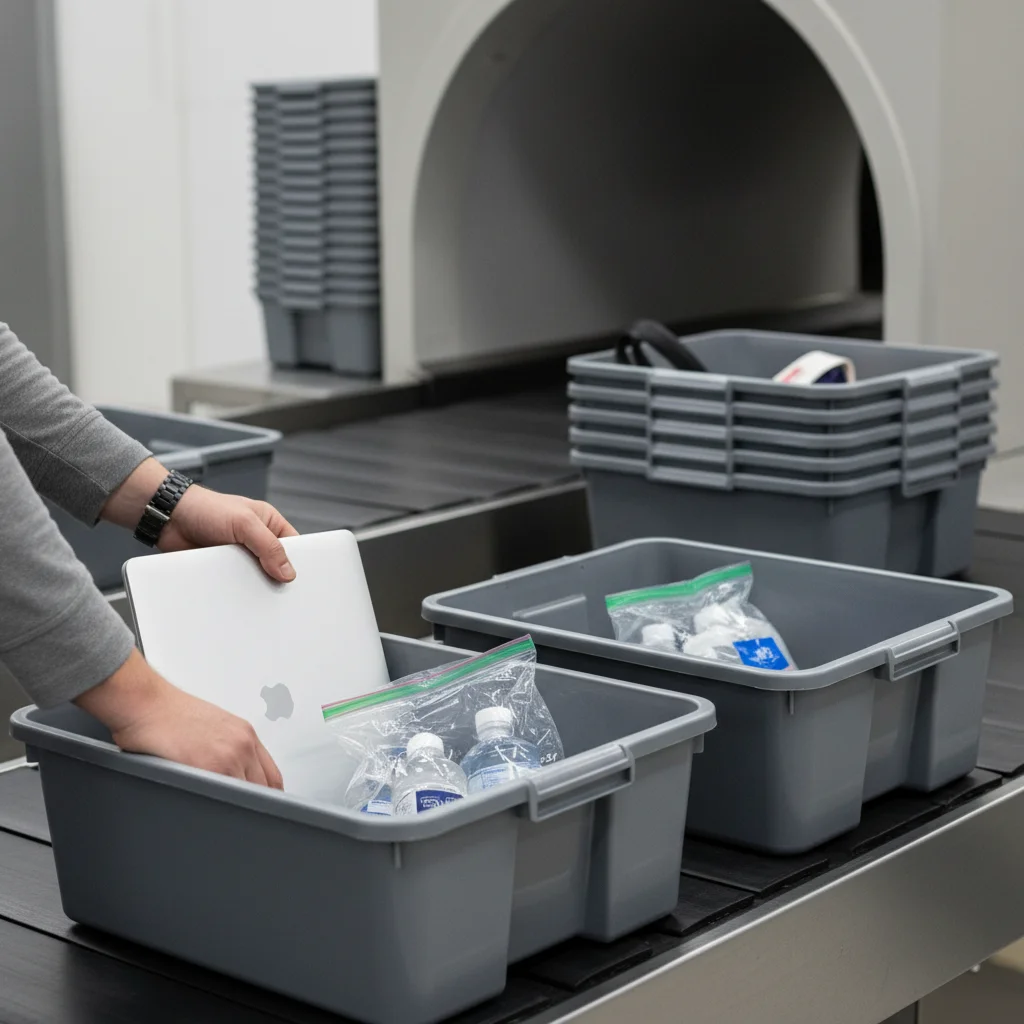
Start by making sure your liquids, aerosols, and gels comply with the TSA’s 3-1-1 rule. All containers must be 3.4 ounces (100 milliliters) or smaller, fit comfortably in one quart-sized bag, and be limited to one bag per passenger. Place this clear, resealable bag in an easily accessible spot in your carry-on, as you’ll need to remove it for screening. Similarly, electronic devices larger than a cell phone, such as laptops, tablets, and e-readers, typically need to be removed from your bag and placed in a separate bin. Packing these items near the top of your bag or in a dedicated laptop sleeve makes this process much smoother.
Key Packing Strategies:
- Keep Liquids Accessible: Your 3-1-1 bag should be the first thing you can grab from your carry-on.
- Electronics on Top: Place laptops and other large electronics where they can be quickly removed and placed in a separate bin.
- Avoid “Dense” Packing: Overly dense bags can appear as a solid mass on X-ray screens, prompting a manual inspection. Try to distribute items evenly.
- Familiarize Yourself with Prohibited Items: Double-check the TSA website for a list of prohibited items to avoid any surprises at the checkpoint.
By adopting these smart packing habits, you’ll not only speed up your own journey but also contribute to a more efficient flow for everyone behind you. A well-packed bag is a clear signal to security officers that you are prepared, which can lead to a quicker and less intrusive screening experience. Remember, the goal is to make your bag as easy to scan as possible, reducing the chances of a manual search.
Dress for Success: Opt for Security-Friendly Attire
Your choice of clothing and accessories might seem like a minor detail, but it can play a significant role in how quickly you pass through airport security. The goal is to minimize anything that might trigger the metal detector or require additional pat-downs, which are common causes of airport security delays. Thinking about your outfit before you head to the airport can save you valuable time and reduce stress at the checkpoint. Dressing strategically means fewer items to remove and fewer potential holdups.
When selecting your travel attire, prioritize comfort and simplicity. Avoid wearing excessive metal – this includes large belt buckles, metal jewelry, and shoes with significant metal components. Opt for slip-on shoes instead of lace-ups, as you’ll likely need to remove them. Many travelers find that wearing athletic shoes or comfortable flats works best. Similarly, layers are often a good idea for varying temperatures on planes, but be prepared to remove bulkier outer layers like coats and heavy sweaters, as these often need to go through the X-ray machine separately. Keeping your pockets empty is another simple yet effective tip; transfer items like keys, wallets, and phones into your carry-on before you even get in line.
The less you have to take off and put back on, the faster you’ll move through the checkpoint. This also applies to accessories. Consider leaving watches, chunky bracelets, and necklaces in your carry-on until after you’ve cleared security. While some small jewelry might be fine, anything that could potentially set off the alarm is best avoided. The idea is to present yourself as a “clean” scan – no loose items, no unnecessary metal. This proactive approach not only benefits you but also helps maintain the flow of the security line, creating a smoother experience for everyone involved. A simple, comfortable outfit can be your best ally against unexpected security delays.
Be Prepared and Know the Rules Before You Arrive
One of the simplest yet most overlooked strategies for avoiding airport security delays is thorough preparation and a clear understanding of current security rules. Arriving at the airport without knowing what to expect or what you need to do can lead to fumbling, confusion, and ultimately, significant slowdowns. The security landscape can change, so even if you’re a seasoned traveler, it’s always a good idea to refresh your memory on the latest guidelines from the Transportation Security Administration (TSA) or equivalent authorities in other countries.
Before you even leave for the airport, take a few minutes to check the TSA’s website (tsa.gov) for any updates or specific requirements related to your travel. This is particularly important if you’re traveling with unusual items, medical equipment, or certain types of food. Knowing the rules about items like medications, baby formula, breast milk, or even sports equipment can prevent lengthy discussions and additional screening at the checkpoint. Many common questions are easily answered on their “What Can I Bring?” search tool, which is an invaluable resource for travelers.
Furthermore, ensure you have all necessary travel documents readily available. Your boarding pass and identification – whether it’s a driver’s license, passport, or other accepted ID – should be easy to access and present to the security officer. Fumbling through bags for these crucial items not only wastes your time but also holds up the line. Having everything in hand as you approach the ID check station sets a positive tone for your entire security experience. Being informed and organized is your best defense against unexpected airport security delays, allowing you to move through the process with confidence and efficiency.
Choose the Right Security Lane and Maintain Focus
Selecting the appropriate security lane and staying focused throughout the screening process are critical steps to minimize airport security delays. Airports often have multiple lanes, each potentially catering to different traveler types or offering varying speeds. Making an informed choice about which lane to enter, and then maintaining your attention on the task at hand, can significantly streamline your journey through the checkpoint. This seemingly small decision can often shave minutes off your wait time and reduce overall stress.
Lane Selection Tips:
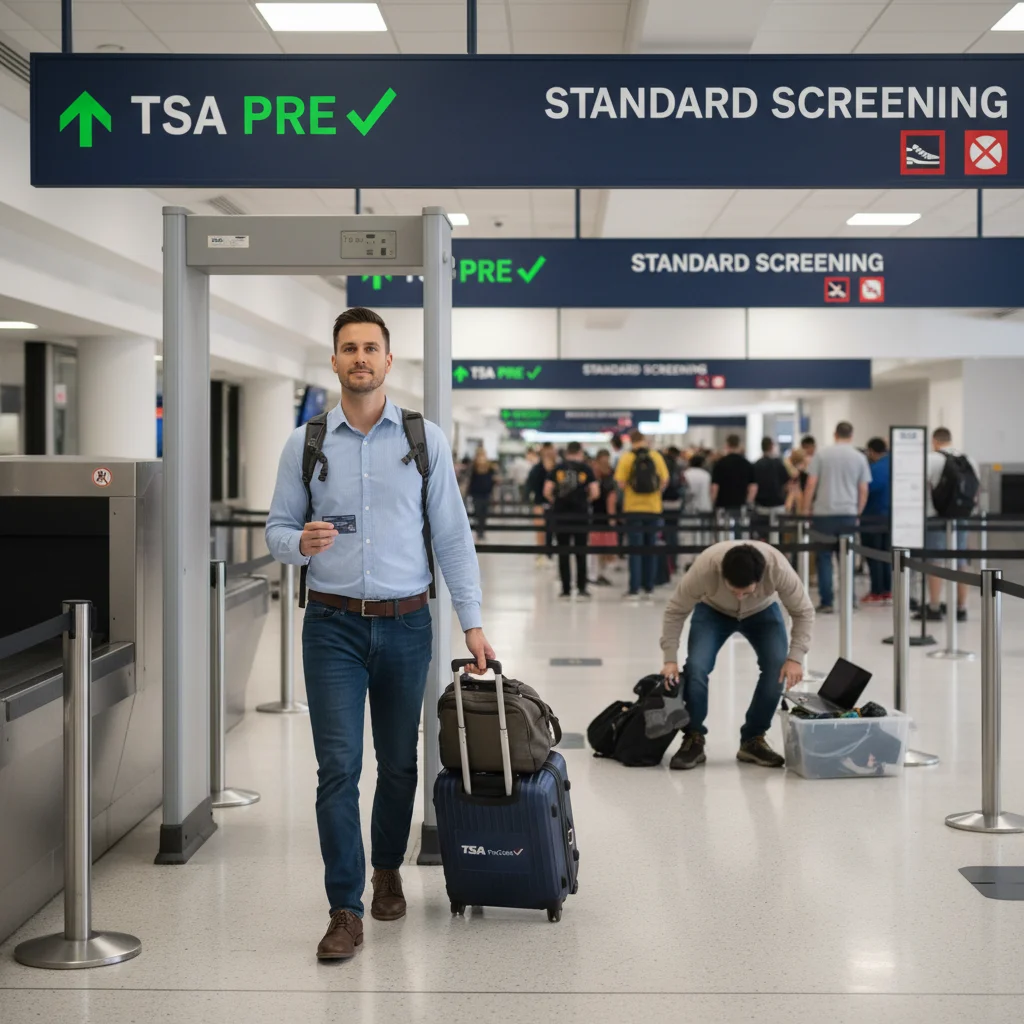
- Trusted Traveler Lanes: If you have TSA PreCheck or Global Entry, always look for the dedicated lanes. These are designed for faster processing.
- Family Lanes: Some airports offer “Family Lanes” which may be more accommodating for those traveling with young children or individuals who need extra assistance, though they aren’t always faster.
- Standard Lanes: If you’re in a standard lane, observe the lines. Sometimes a line that appears longer might move faster if travelers are more prepared. Avoid lines with many inexperienced travelers or those with numerous carry-on bags.
Once you’ve chosen your lane, stay engaged and be ready to act. As you approach the front, begin preparing your items: take out your 3-1-1 liquids bag, remove electronics, and take off your shoes and any bulky outerwear. Don’t wait until you’re at the very front of the line to start this process. Place your items efficiently into bins, ensuring nothing is left in your pockets. After passing through the scanner, retrieve your belongings quickly and move to the re-composing area to put your shoes back on and organize your bag. Lingering at the scanner can create bottlenecks and lead to unnecessary airport security delays for everyone behind you. A proactive and focused approach ensures a smooth and swift passage.
Frequently Asked Questions
What is the 3-1-1 rule for carry-on liquids?
The 3-1-1 rule states that liquids, aerosols, gels, creams, and pastes must be 3.4 ounces (100 milliliters) or less per container, fit in one quart-sized bag, and be limited to one bag per passenger. This bag must be removed from your carry-on and placed in a separate bin for screening.
How early should I arrive at the airport to clear security?
For domestic flights, it’s generally recommended to arrive at least two hours before your scheduled departure. For international flights, aim for three hours. However, this can vary based on the airport, time of day, and whether you have expedited screening access like TSA PreCheck.
Can I bring food through airport security?
Most solid foods are allowed in both carry-on and checked bags. However, liquid or gel-like foods, such as yogurt, sauces, or creamy dips, must adhere to the 3-1-1 liquid rule. Always check the TSA website for specific guidelines on certain food items.
What items always need to be removed from my bag at security?
Typically, laptops and other large electronic devices, as well as your quart-sized bag of liquids (3-1-1 rule), need to be removed from your carry-on and placed in separate bins for X-ray screening. Shoes, belts, and outer jackets usually need to be removed as well, unless you have TSA PreCheck.
Is TSA PreCheck worth the cost?
For frequent travelers, TSA PreCheck is often considered well worth the cost. It significantly reduces wait times, allows you to keep shoes and light jackets on, and liquids/laptops in your bag, leading to a much smoother and less stressful security experience for a five-year membership fee.
Official Resources
- Transportation Security Administration (TSA) Official Website
- TSA PreCheck Program Information
- Global Entry Program Information
- TSA “What Can I Bring?” Tool
Conclusion
Avoiding common airport security delays is entirely within your control with the right preparation and knowledge. By implementing these five pro tips – enrolling in trusted traveler programs, mastering smart packing, choosing security-friendly attire, staying informed about current rules, and maintaining focus at the checkpoint – you can transform your airport experience. These strategies are not just about saving time; they’re about reducing stress, gaining peace of mind, and starting your journey feeling calm and collected.
Remember, a little proactive effort goes a long way in navigating the complexities of airport security. Don’t wait until you’re at the front of the line to start thinking about what needs to come out of your bag or what rules apply. Instead, embrace these tips as part of your pre-travel routine. The result will be a smoother, faster passage through security, allowing you more time to relax, grab a coffee, or simply enjoy the anticipation of your trip. Make your next travel day a breeze by putting these expert recommendations into practice.
