Wilderness First Aid: 5 Critical Skills for Outdoor Safety
Embarking on an outdoor expedition offers incredible experiences, but it also comes with inherent risks. Understanding wilderness first aid is not just a good idea; it’s an essential preparedness measure that can make the difference between a minor setback and a life-threatening emergency. When you’re far from immediate medical help, knowing how to respond effectively to injuries or illnesses becomes paramount. This article will guide you through five critical wilderness first aid skills you must master before your next adventure.
Preparing for the unexpected means equipping yourself with the knowledge and confidence to act decisively when things go wrong. From simple cuts to more serious conditions like fractures or hypothermia, the ability to provide immediate care can stabilize a situation and prevent further complications. These skills are not exclusive to medical professionals; with proper training and practice, anyone can learn to be an invaluable asset in a backcountry emergency. Let’s delve into the core competencies that will empower you to handle challenges with competence and calm.
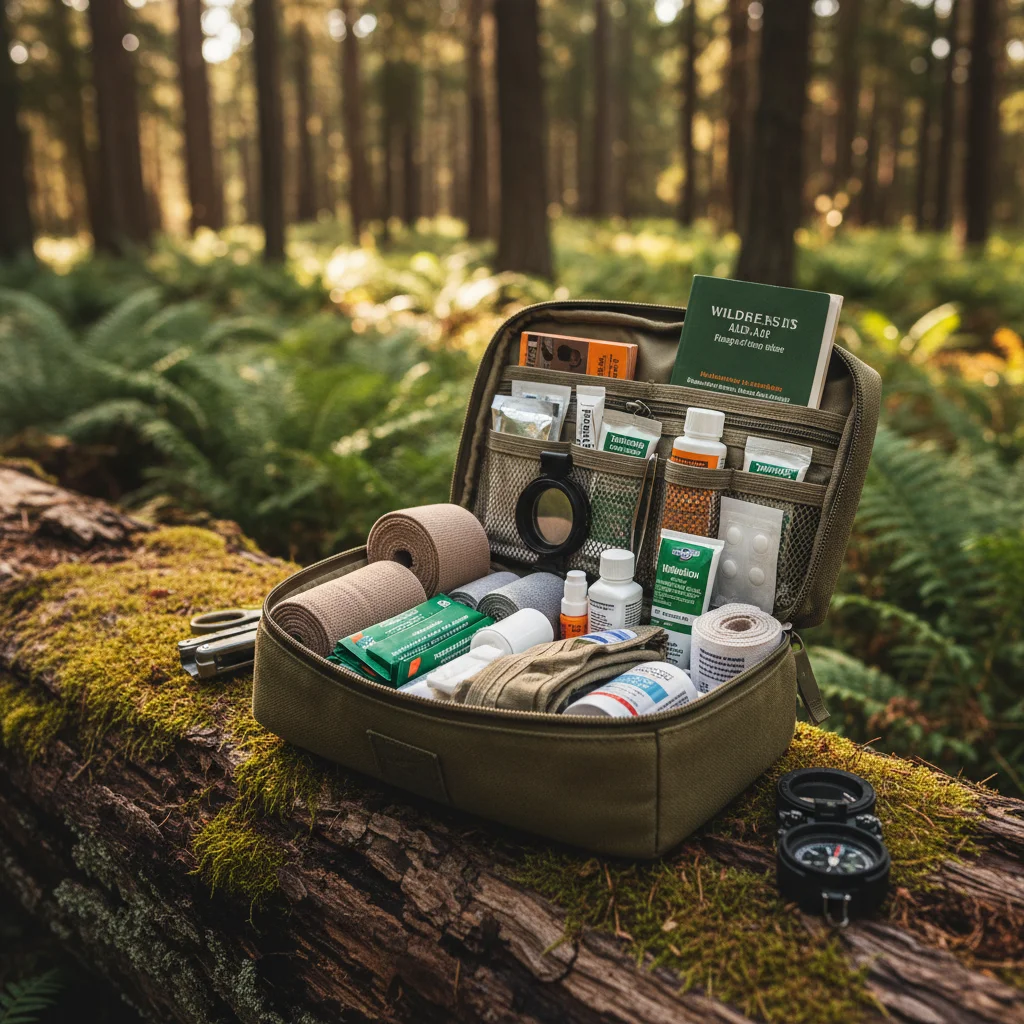
Assessing the Scene and Patient: Your First Steps in Wilderness First Aid
Before you even think about treating an injury, the very first and most crucial step in any emergency, especially in the backcountry, is to assess the scene and the patient. This initial evaluation helps you understand the situation, identify potential dangers, and prioritize care. A chaotic or unsafe environment can quickly turn one emergency into two, so always ensure your own safety before approaching a casualty. Look for hazards like unstable terrain, falling rocks, aggressive animals, or extreme weather conditions. If the scene isn’t safe, you might need to move the patient or call for help before providing direct care.
Once the scene is deemed safe, turn your attention to the patient. A rapid primary assessment, often called the “ABCDE” approach, is vital. This involves checking for Airway, Breathing, Circulation, Disability (neurological status), and Exposure (to the environment). Are they conscious? Are they breathing? Do they have a pulse? Any life-threatening conditions identified during this primary survey must be addressed immediately. For instance, if the airway is blocked, clearing it becomes the top priority. This systematic approach ensures that the most critical issues are identified and managed without delay, laying a solid foundation for all subsequent wilderness first aid actions.
After stabilizing any immediate life threats, proceed with a secondary assessment. This involves a more thorough head-to-toe examination to identify all injuries and medical problems. Talk to the patient if they are conscious, asking about their symptoms, medical history, and how the incident occurred. This information, combined with a careful physical examination, helps you build a complete picture of their condition. Remember, in the wilderness, you are often your own diagnostic tool, so keen observation and careful questioning are key to effective treatment. Documenting your findings, even mentally, can be incredibly helpful for tracking changes in the patient’s condition and for relaying information to rescuers if they arrive.
Managing Wounds and Bleeding: Essential Techniques
Cuts, scrapes, and deeper wounds are incredibly common in outdoor environments, and knowing how to manage them effectively is a cornerstone of wilderness first aid. Proper wound care prevents infection, promotes healing, and can even stop life-threatening blood loss. The first step for any wound is to control bleeding. Direct pressure applied firmly to the wound with a clean cloth is usually the most effective method. Elevating the injured part above the heart can also help reduce blood flow. If bleeding is severe and direct pressure isn’t enough, consider using a pressure bandage. Only as a last resort, and with proper training, should a tourniquet be considered for extreme, uncontrollable hemorrhage.
Once bleeding is under control, the next priority is to clean the wound thoroughly to prevent infection. This might involve irrigating the wound with clean water (potable water, saline solution, or even boiled and cooled water if nothing else is available) to remove dirt, debris, and foreign objects. Avoid scrubbing the wound vigorously, as this can cause further tissue damage. After cleaning, apply an antiseptic wipe or solution if available, and then cover the wound with a sterile dressing. Keep the dressing clean and dry, changing it regularly, especially if it becomes wet or dirty. Monitoring the wound for signs of infection, such as increased pain, redness, swelling, pus, or fever, is crucial, as infection can quickly escalate in the backcountry.
For larger or deeper wounds, especially those that might require stitches, wilderness first aid dictates a slightly different approach. While you can’t stitch a wound in the field without specialized training and equipment, you can approximate the edges of the wound using sterile adhesive strips or butterfly bandages to help it close and reduce scarring. These techniques are temporary solutions aimed at stabilizing the wound until professional medical care can be reached. Always remember that even seemingly minor wounds can become serious in a remote setting due to the risk of infection and the lack of immediate medical intervention. Therefore, meticulous care and constant vigilance are non-negotiable.
Treating Musculoskeletal Injuries: Sprains, Strains, and Fractures
Musculoskeletal injuries, ranging from simple sprains to severe fractures, are unfortunately common during outdoor activities like hiking, climbing, or trail running. Knowing how to properly assess and manage these injuries is a vital wilderness first aid skill that can prevent further damage and alleviate pain. For sprains and strains, the R.I.C.E. protocol is your best friend: Rest, Ice, Compression, and Elevation. Rest the injured limb, apply cold packs (or snow/cold water in a bag) to reduce swelling, use a compression bandage to provide support, and elevate the injured area above the heart. This combination helps to minimize swelling and pain, allowing for a more comfortable evacuation.
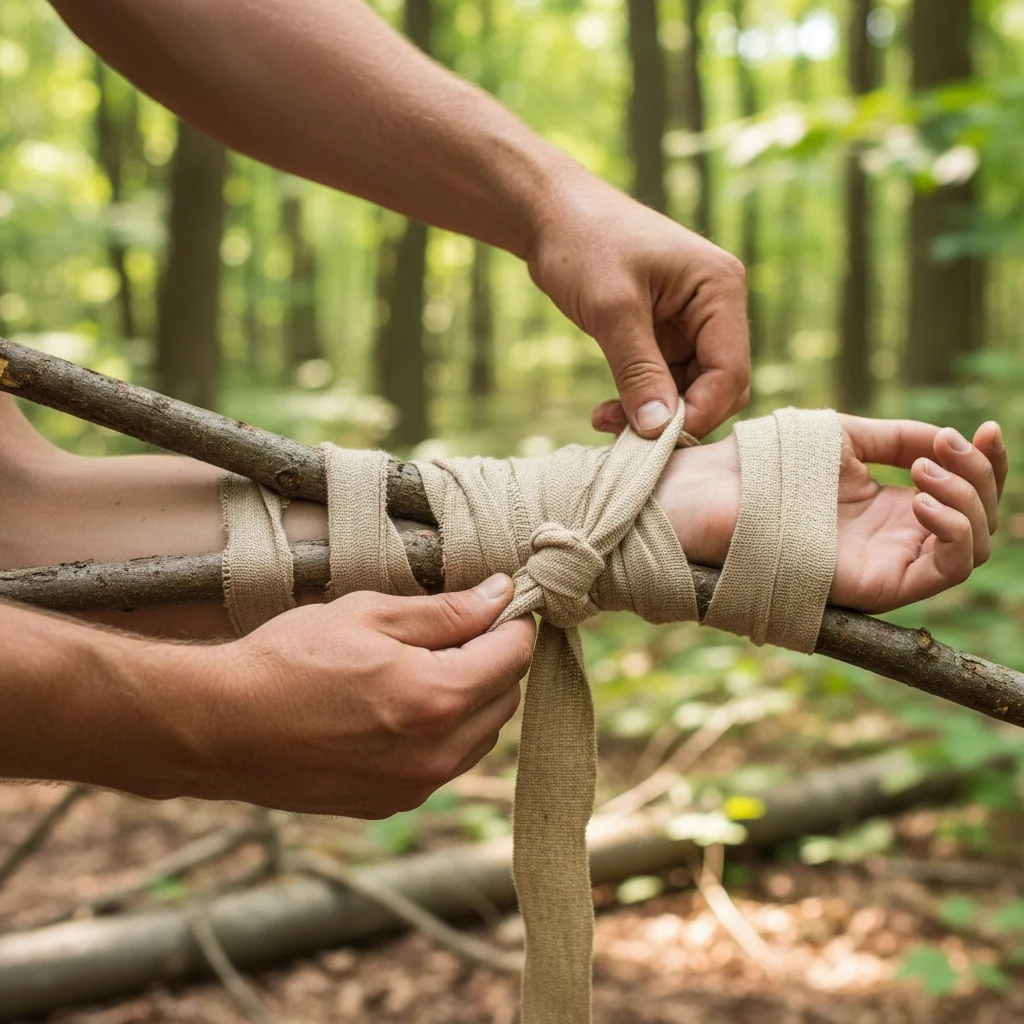
Fractures, on the other hand, require more immediate and careful attention. The primary goal is to immobilize the injured limb to prevent movement at the fracture site, which can cause further pain, nerve damage, or blood vessel injury. This is where splinting comes into play. You can improvise splints using materials found in the wilderness, such as sticks, trekking poles, or even rolled-up newspapers, secured with bandages, tape, or strips of cloth. The key is to immobilize the joint above and below the suspected fracture, ensuring the splint is snug but not so tight that it cuts off circulation. Always check for pulse, sensation, and movement (PSM) below the injury site before and after applying a splint to ensure proper blood flow.
Pain management is another critical aspect of treating musculoskeletal injuries in the backcountry. Over-the-counter pain relievers like ibuprofen or acetaminophen can significantly improve the patient’s comfort, making evacuation more tolerable. However, always ensure the patient is not allergic to these medications and adheres to recommended dosages. Beyond the physical treatment, providing psychological support is also important. A musculoskeletal injury can be frightening and frustrating, especially when far from help. Reassure the patient, keep them warm, and maintain a positive attitude. Remember, the ultimate goal for any significant musculoskeletal injury in the wilderness is to safely and comfortably evacuate the patient to a facility where they can receive definitive medical care.
Recognizing and Responding to Environmental Emergencies
The outdoors can be unpredictable, and environmental emergencies like hypothermia, heatstroke, and altitude sickness pose significant threats. Mastering wilderness first aid for these conditions is essential for anyone spending time in remote areas. Hypothermia, a dangerous drop in body temperature, can occur even in mild temperatures if a person is wet and exposed to wind. Symptoms range from shivering and confusion in mild cases to loss of consciousness and cardiac arrest in severe cases. Treatment involves getting the person out of the cold, removing wet clothing, and warming them gradually with dry clothes, warm drinks, and body heat transfer. Building a fire or using a sleeping bag can also be crucial for rewarming.
On the opposite end of the spectrum, heat-related illnesses like heat exhaustion and heatstroke are equally dangerous. Heat exhaustion typically presents with heavy sweating, weakness, dizziness, and nausea. Treatment involves moving the person to a cool place, loosening clothing, and providing sips of water or electrolyte drinks. Heatstroke, a life-threatening condition, occurs when the body’s cooling system fails, leading to a dangerously high body temperature, confusion, seizures, and loss of consciousness. It requires immediate, aggressive cooling, such as immersing the person in cold water or applying ice packs to the neck, armpits, and groin, while simultaneously seeking emergency medical evacuation.
Altitude sickness, or Acute Mountain Sickness (AMS), affects individuals who ascend too quickly to high altitudes. Symptoms include headache, nausea, fatigue, and dizziness. More severe forms, High Altitude Cerebral Edema (HACE) and High Altitude Pulmonary Edema (HAPE), are life-threatening. The most effective treatment for AMS is to descend to a lower altitude. Prevention is key, involving gradual ascent, proper hydration, and acclimatization. Recognizing these environmental threats and knowing how to respond quickly and appropriately can be the difference between a successful adventure and a tragic outcome, highlighting the importance of comprehensive wilderness first aid training.
Improvisation and Evacuation Techniques
In a true wilderness emergency, you often won’t have all the ideal tools and resources at your disposal. This is where the skill of improvisation becomes invaluable in wilderness first aid. Learning to use what’s around you to create functional medical aids is a hallmark of an experienced outdoor enthusiast. For instance, a trekking pole can become part of a splint, duct tape can secure dressings, and a space blanket can provide warmth or serve as a makeshift stretcher. Thinking creatively and adapting to your environment is crucial. This doesn’t mean compromising on safety or effectiveness, but rather finding ingenious solutions with limited materials. Practice these improvisational skills during your training, so they come naturally when an actual emergency arises.
Key Improvisation Strategies
- Splinting Materials: Use branches, rolled-up magazines, or even sleeping pads, secured with clothing, cordage, or tape.
- Wound Dressings: Clean cloth from spare clothing can be used if sterile bandages are unavailable, though always prioritize cleanliness.
- Shelter Building: Utilize tarps, ponchos, or natural features to create protection from the elements for an injured person.
- Stretcher Construction: Two sturdy poles and jackets or blankets can form a basic stretcher for short-distance patient movement.
Once initial care is provided and the patient is stabilized, the next critical step is planning and executing an evacuation. This decision involves assessing the severity of the injury or illness, the available resources, the proximity of medical help, and the safety of the evacuation route. For minor issues, a self-evacuation might be possible. For more serious conditions, you might need to send for help, signal for rescue, or carry the patient out. Understanding basic navigation, signaling techniques (like mirror signals or whistle blasts), and how to communicate effectively with rescuers is paramount. Always inform someone of your itinerary before you leave, so they know when and where to expect you, which can significantly aid in a timely rescue if needed. Effective planning and communication are as important as the medical care itself in ensuring a positive outcome in a wilderness emergency.
Frequently Asked Questions
Q: How often should I refresh my wilderness first aid skills?
A: It’s highly recommended to refresh your wilderness first aid skills every two to three years through a certified course. Regular practice and review of concepts will keep your knowledge sharp and your confidence high.
Q: What’s the single most important item to carry in a wilderness first aid kit?
A: While many items are crucial, a well-stocked assortment of wound dressings and antiseptic wipes for managing bleeding and preventing infection is arguably the most versatile and frequently needed.
Q: Can I improvise a tourniquet in an emergency?
A: Tourniquets should only be used as a last resort for severe, uncontrollable bleeding when direct pressure has failed. Proper training is essential, as improper application can cause significant harm. Improvised tourniquets are generally less effective than commercial ones.
Q: What’s the difference between heat exhaustion and heatstroke?
A: Heat exhaustion involves symptoms like heavy sweating, weakness, and nausea, while heatstroke is a life-threatening condition where the body’s core temperature rises dangerously high, often leading to confusion, seizures, and loss of consciousness, with sweating sometimes ceasing.
Q: Is a basic first aid certification enough for wilderness trips?
A: While a basic first aid certification is a good start, wilderness first aid courses (WFA or WFR) are specifically designed for remote environments where medical help is hours or days away, making them far more appropriate for outdoor expeditions.
Official Resources
- NOLS Wilderness Medicine
- Wilderness Medical Associates International
- American Red Cross Wilderness and Remote First Aid
- CDC – High Altitude Sickness
Conclusion
Mastering wilderness first aid is an investment in your safety and the safety of your companions. The ability to calmly assess a situation, manage wounds, treat musculoskeletal injuries, respond to environmental challenges, and improvise with available resources are not just skills; they are responsibilities that come with venturing into the wild. These five critical areas form the bedrock of effective backcountry medical care, empowering you to handle the unexpected with confidence and competence. Remember, even the most meticulously planned expedition can encounter unforeseen circumstances, and your readiness to act can profoundly influence the outcome.
Don’t wait until an emergency strikes to realize the importance of these skills. Seek out certified wilderness first aid courses, practice regularly, and ensure your first aid kit is always well-stocked and accessible. By taking proactive steps to educate yourself, you only enhance your personal safety but also contribute to a culture of preparedness within the outdoor community. Embrace the adventure, but do so with the peace of mind that comes from knowing you’re equipped to handle whatever challenges the wilderness may present. Your next outdoor expedition will be all the more enjoyable and secure because of your commitment to wilderness first aid.
