Domestic Travel: 3 Essential Vaccinations for Your Journey
When planning a domestic trip, many people focus on flights, hotels, and itineraries, but ensuring your health is just as vital. Understanding the recommended domestic travel vaccinations can make a significant difference in having a safe and enjoyable journey. While international travel often highlights the need for specific immunizations, staying up-to-date on routine vaccinations for travel within your own country is equally important for protecting yourself and the communities you visit.
This article will delve into three essential vaccinations recommended for domestic travel, explaining why they matter and how they contribute to your overall well-being. Keeping your immunizations current acts as a proactive measure against preventable diseases, which can vary in prevalence even within different regions of a single country. Let’s explore how to prepare your health for your next adventure.
The Importance of Routine Vaccinations for Domestic Travel
Many travelers mistakenly believe that vaccinations are only necessary for exotic international destinations. However, the truth is that routine immunizations are the cornerstone of good health, regardless of whether you’re crossing borders or just state lines. Diseases like measles, mumps, and rubella (MMR), tetanus, diphtheria, pertussis (Tdap), and influenza can circulate anywhere, and travel can increase your exposure risk. Being up-to-date on these fundamental vaccines helps create a protective shield, not just for you, but also for those around you, especially vulnerable populations like young children, the elderly, or individuals with compromised immune systems.
When you travel domestically, you might encounter different public health landscapes, including varying vaccination rates and localized outbreaks. A bustling airport, a crowded tourist attraction, or even a simple family gathering can become a point of transmission for airborne or contact-spread illnesses. Therefore, reviewing your immunization record with a healthcare provider before any significant trip is a wise step. This proactive approach ensures that your body is prepared to fend off common pathogens that might be more prevalent in your destination or that you might encounter during transit.
Furthermore, staying current with routine vaccinations helps prevent the spread of diseases within your home community upon your return. Travel can inadvertently turn individuals into carriers, bringing illnesses back to their local environments. By maintaining optimal vaccination status, you contribute to herd immunity, a critical public health concept where a significant portion of the population is immune, making the spread of disease less likely. This collective protection is vital for safeguarding public health on a broader scale, making your personal vaccination choices impactful beyond your own health.
Influenza (Flu) Vaccine: A Seasonal Must-Have for Travelers
The influenza vaccine is often overlooked by travelers, yet it’s one of the most crucial protections, especially for those embarking on domestic journeys. Flu viruses circulate year-round, though they are most common during the fall and winter months in temperate climates. However, travel can expose you to different strains of the virus or simply increase your chances of encountering infected individuals in crowded settings like airports, train stations, or tourist hotspots. Getting your annual flu shot significantly reduces your risk of contracting the illness, which can range from mild discomfort to severe, life-threatening complications, especially for individuals with underlying health conditions.
Even if you experience a mild case of the flu after vaccination, the severity and duration of symptoms are typically much reduced compared to those who are unvaccinated. This means less time feeling unwell and more time enjoying your trip. Furthermore, preventing the flu helps alleviate the burden on healthcare systems, which can be particularly stressed during peak flu season. Imagine falling ill far from home and needing medical attention; a simple vaccine can help you avoid such an inconvenient and potentially costly situation. It’s recommended to get the flu vaccine as soon as it becomes available each season, ideally before flu activity begins to increase in your area.
The Centers for Disease Control and Prevention (CDC) recommends an annual flu vaccine for everyone six months and older, with rare exceptions. This recommendation holds true for domestic travelers who will be exposed to new environments and people. Different regions may experience peak flu season at slightly different times, so maintaining yearly vaccination offers continuous protection. Discussing your travel plans with your doctor can help determine the optimal timing for your flu shot, ensuring maximum protection throughout your journey and beyond. It’s a simple, effective step to safeguard your health while exploring your own country.
Measles, Mumps, and Rubella (MMR) Vaccine: Protecting Against Resurgent Threats
The Measles, Mumps, and Rubella (MMR) vaccine is a cornerstone of childhood immunization, but its importance extends to adults and domestic travelers, particularly as outbreaks of these diseases have unfortunately seen a resurgence in various parts of the world, including within the United States. Measles, in particular, is highly contagious and can lead to serious complications such as pneumonia, encephalitis, and even death. Mumps can cause painful swelling of the salivary glands, and in adults, can lead to more severe issues like orchitis (testicular inflammation) or oophoritis (ovarian inflammation), and even meningitis. Rubella, while often mild in children, can cause severe birth defects if a pregnant woman contracts it.
When you travel domestically, especially to areas with lower vaccination rates or communities experiencing an outbreak, your risk of exposure to these highly communicable diseases increases. Public transportation, theme parks, concerts, and other crowded venues are potential sites for transmission. Ensuring you and your family are up-to-date on your MMR vaccinations provides robust protection against these illnesses. Most adults born in 1957 or later should have received two doses of the MMR vaccine, or have documented immunity through blood tests, to be considered fully protected.
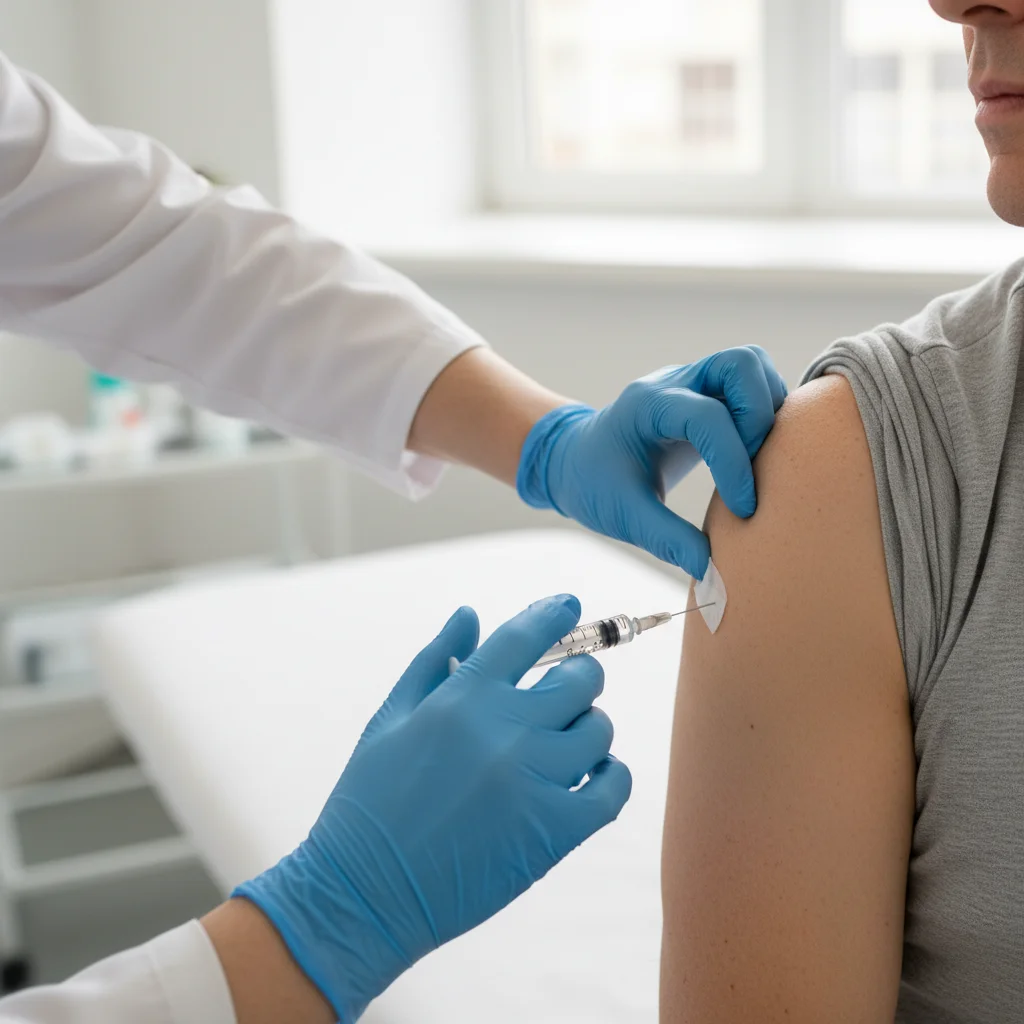
Checking Your MMR Vaccination Status
- Review your immunization records: Check with your primary care physician or your state’s immunization registry to confirm your MMR vaccination history.
- Consider a booster shot: If you’re unsure of your status or only received one dose, your doctor might recommend a second dose or a blood test to check for immunity.
- Discuss with your healthcare provider: Before traveling, particularly if you’re visiting areas with known outbreaks, consult your doctor about your risk and any necessary precautions.
Being fully protected against measles, mumps, and rubella is not just about personal health; it’s also a public health responsibility. Preventing these diseases helps to maintain community immunity and protects those who cannot be vaccinated due to age or medical conditions.
Tetanus, Diphtheria, and Pertussis (Tdap) Vaccine: Beyond Childhood
The Tetanus, Diphtheria, and Pertussis (Tdap) vaccine is another critical immunization for domestic travelers, extending beyond the routine childhood schedule. While tetanus and diphtheria are serious bacterial infections, pertussis, commonly known as whooping cough, is highly contagious and can be particularly severe in infants and young children. Even as an adult, contracting pertussis can lead to prolonged coughing fits, exhaustion, and secondary infections, significantly disrupting your travel plans and overall well-being. A Tdap booster is recommended for adults every 10 years, or sooner under specific circumstances, ensuring continuous protection.
Travel often involves activities that can increase your risk of exposure to tetanus, such as outdoor adventures, gardening, or visiting rural areas where you might encounter contaminated soil or objects. Tetanus bacteria can enter the body through cuts, scrapes, or puncture wounds, making robust immunity essential for active travelers. Diphtheria, though rare in highly vaccinated populations, can still pose a threat, causing breathing difficulties, heart failure, nerve damage, and even death. Maintaining your Tdap vaccination status ensures you are protected against these potentially life-threatening diseases, even during a seemingly innocuous domestic trip.
Furthermore, the pertussis component of the Tdap vaccine is especially important for individuals who will be around infants or young children during their travels, such as visiting family. Infants are highly vulnerable to pertussis and often contract it from unvaccinated adult caregivers or family members. By getting your Tdap booster, you not only protect yourself but also create a cocoon of protection around those who are too young to be fully vaccinated, preventing the spread of this dangerous respiratory illness. This makes the Tdap vaccine a crucial consideration for anyone planning domestic travel, especially if their itinerary includes interactions with vulnerable populations.
COVID-19 Vaccination: Continued Relevance for Safe Domestic Journeys
The COVID-19 pandemic reshaped our understanding of public health and travel, making the COVID-19 vaccination a paramount consideration for safe domestic journeys. While initial concerns focused on international travel restrictions, the virus continues to circulate, and new variants can emerge, making ongoing protection vital. Staying up-to-date with your COVID-19 vaccinations, including any recommended booster shots, significantly reduces your risk of severe illness, hospitalization, and death. This protection is not just for your own health, but also plays a crucial role in preventing the spread of the virus to others, especially in crowded travel environments.
Traveling, whether by plane, train, or bus, often involves close contact with many people from different areas, increasing the likelihood of exposure to respiratory viruses. Being fully vaccinated against COVID-19 offers a strong defense, allowing you to travel with greater peace of mind. It also helps to minimize the chances of disrupting your trip due to illness, isolation requirements, or unexpected medical expenses. Many travel providers and destinations may also have specific recommendations or requirements regarding vaccination status, so staying current can ensure smoother, uninterrupted travel experiences.
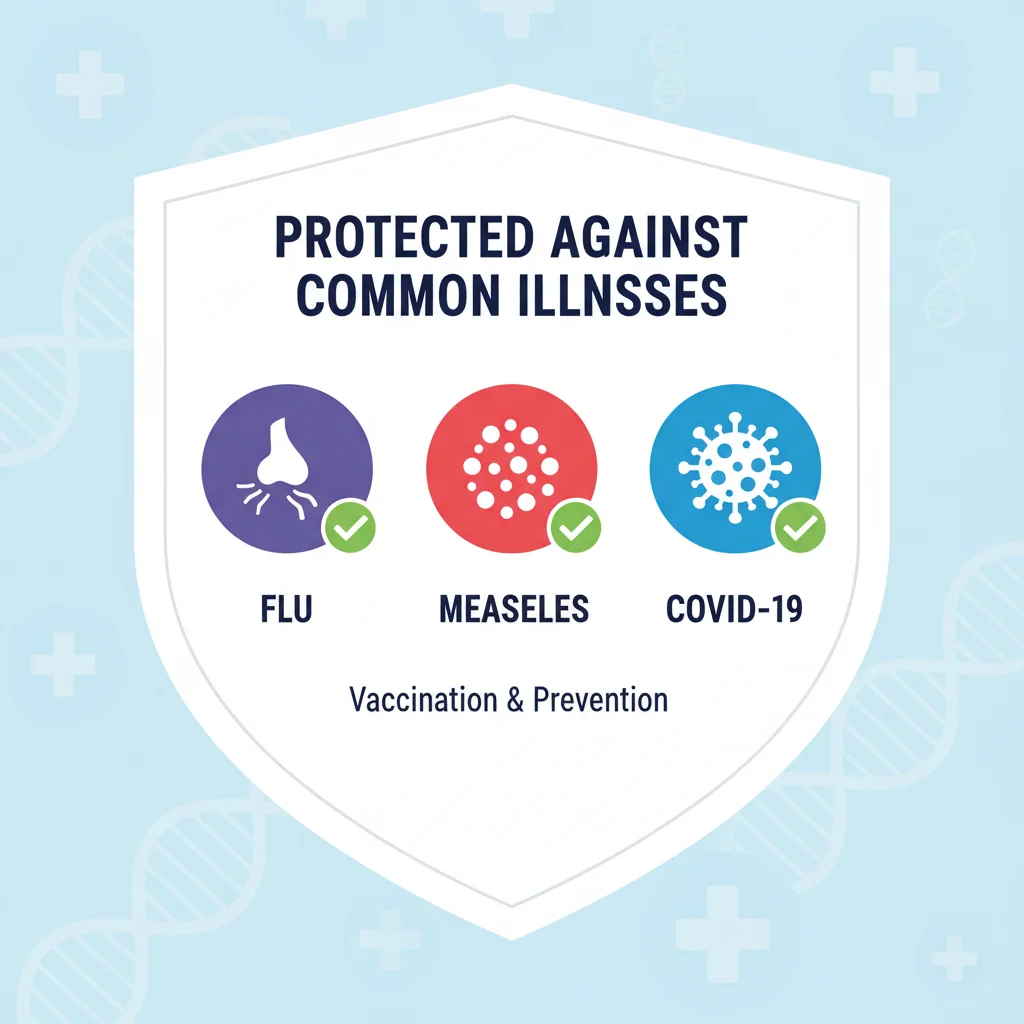
Public health guidelines regarding COVID-19 vaccinations and travel can evolve, so it’s always advisable to check the latest recommendations from reputable health organizations like the CDC before your trip. These guidelines consider current epidemiological data and the prevalence of variants to provide the most relevant advice. Prioritizing your COVID-19 vaccination status demonstrates a commitment to your health and the health of the broader community, contributing to a safer environment for everyone who travels domestically. It’s an ongoing effort to mitigate risks and ensure that travel remains a source of joy and exploration, rather than a health concern.
Consulting Your Healthcare Provider for Personalized Advice
While this article highlights three essential domestic travel vaccinations, personalized medical advice is always the best approach for ensuring your travel health. Every individual’s health profile is unique, influenced by factors such as age, existing medical conditions, previous vaccination history, and specific travel plans. What might be crucial for one traveler may be less urgent for another. Therefore, before embarking on any domestic journey, a consultation with your healthcare provider is an invaluable step. They can review your complete medical history and current immunization records, offering tailored recommendations that align with your needs.
During your consultation, be prepared to discuss your travel itinerary in detail, including your destinations, the duration of your trip, and the types of activities you plan to undertake. For instance, if you’re planning to engage in outdoor activities in rural areas, your doctor might emphasize the importance of tetanus protection. If you’ll be visiting family with young children, the pertussis component of the Tdap vaccine becomes particularly relevant. Your doctor can also advise on other general health precautions, such as managing chronic conditions while traveling, packing a travel health kit, and understanding local health advisories.
Beyond vaccinations, your healthcare provider can offer guidance on non-vaccine-preventable illnesses and general wellness tips for travel. This might include advice on food and water safety, insect bite prevention, managing motion sickness, or adjusting to different altitudes or climates. They can also provide prescriptions for any necessary medications, including those for existing conditions or potential travel-related ailments. This comprehensive approach ensures that you are not only protected against vaccine-preventable diseases but are also well-prepared for any health challenges that might arise during your domestic travels, allowing you to focus on enjoying your experience.
Frequently Asked Questions
Q: Are domestic travel vaccinations truly necessary if I’m only traveling within my own country?
A: Yes, absolutely. Even within your own country, different regions can have varying prevalence of diseases, and travel exposes you to more people and environments. Routine vaccinations like flu, MMR, and Tdap are crucial for protecting yourself and preventing the spread of illnesses to vulnerable populations you might encounter.
Q: How far in advance should I get my vaccinations before a domestic trip?
A: It’s best to consult your healthcare provider at least 4-6 weeks before your trip. Some vaccines require multiple doses over time, and others need a couple of weeks to become fully effective. This timeframe allows for proper planning and ensures you’re protected before you depart.
Q: Can I get all my recommended domestic travel vaccinations at once?
A: Often, several vaccines can be administered during a single visit. However, this depends on the specific vaccines, your health history, and your doctor’s recommendations. Your healthcare provider will determine the safest and most effective schedule for your immunizations.
Q: What if I’m unsure about my past vaccination history?
A: If you don’t have clear records, your doctor can often order blood tests to check for immunity to certain diseases. Alternatively, for some vaccines like MMR, a booster dose may be recommended even without proof of prior vaccination if there’s no contraindication.
Q: Do I need a COVID-19 vaccine for domestic travel?
A: While federal mandates for domestic travel have largely been lifted, staying up-to-date with your COVID-19 vaccinations (including boosters) is highly recommended by public health authorities. It significantly reduces your risk of severe illness and helps protect others, especially in crowded travel settings.
Official Resources
- [CDC Travelers’ Health – Domestic Travel](https://wwwnc.cdc.gov/travel/destinations/traveler/none/united-states)
- [CDC Immunization Schedules](https://www.cdc.gov/vaccines/schedules/index.html)
- [World Health Organization (WHO) Travel and Health](https://www.who.int/news-room/fact-sheets/detail/immunization-coverage)
- [U.S. Department of State – Travel.State.Gov (General Health Information)](https://travel.state.gov/content/travel/en/international-travel/before-you-go/travelers-with-special-considerations/health-and-safety.html)
Conclusion
Preparing for domestic travel involves more than just packing your bags and booking accommodations; it also means safeguarding your health. The three essential domestic travel vaccinations — Influenza, MMR, Tdap, and keeping up-to-date with COVID-19 — form a critical line of defense against preventable diseases that can disrupt your journey and compromise your well-being. These immunizations protect not only you but also the communities you visit and your loved ones back home, contributing to broader public health efforts.
Taking the proactive step of reviewing your vaccination status with a healthcare provider before any significant domestic trip is a simple yet powerful way to ensure a worry-free experience. Your doctor can offer personalized advice, address any specific concerns, and help you create a comprehensive health plan tailored to your travel itinerary. By prioritizing your immunizations, you empower yourself to explore new places, reconnect with family, and enjoy all the richness that domestic travel offers, with the confidence that you’ve taken the necessary steps to stay healthy and safe. Make health a priority on your next adventure — your future self will thank you.
