Unlock Savings: Navigating Dynamic Pricing for Attractions
Are you planning a trip to a popular theme park, museum, or concert? You’ve likely encountered the concept of dynamic pricing attractions. This modern pricing strategy means that the cost of your ticket isn’t fixed; it changes based on demand, time of day, day of the week, and even how far in advance you book. While it might seem daunting, understanding how dynamic pricing works can actually help you unlock significant savings, potentially up to 10% or more, on your next adventure. This guide will walk you through the ins and outs of dynamic pricing, offering practical tips and strategies to ensure you get the best possible deal.
Many major attractions, from world-renowned theme parks to Broadway shows, have adopted dynamic pricing to maximize revenue and manage crowd flow. This means that if you’re flexible with your dates or willing to put in a little research, you can often find cheaper tickets. Our goal is to empower you with the knowledge and tools to navigate these fluctuating prices effectively, transforming a potentially frustrating experience into an opportunity for smart savings. Let’s dive into how you can become a savvy shopper in the world of dynamic pricing.
Understanding the Basics of Dynamic Pricing Attractions
Dynamic pricing, often called surge pricing or demand-based pricing, is a strategy where businesses set flexible prices for products or services. These prices change in real-time based on market demand, supply, and other external factors. For attractions, this means ticket prices can fluctuate daily, hourly, or even by the minute. The goal for attractions is to fill seats and manage crowds efficiently, charging more during peak times and less during off-peak periods to entice visitors.
Several key factors influence how dynamic pricing works for attractions. High demand, such as during holidays, school breaks, or weekends, almost always leads to higher prices. Conversely, visiting during weekdays, off-seasons, or less popular times can result in lower costs. Special events, weather forecasts, and even competitor pricing can also play a role in these price adjustments. Understanding these underlying mechanics is the first step toward predicting price changes and finding better deals.
Think of it like airline tickets or hotel rooms; the earlier you book, the more likely you are to get a good rate, but even then, prices can shift. Attractions use complex algorithms to analyze vast amounts of data, including historical sales, website traffic, and local events, to determine the optimal price at any given moment. This constant adjustment ensures they capture the maximum value while still attracting enough visitors to maintain operations. By recognizing these patterns, you can strategically plan your visits to benefit from lower demand periods.
Strategic Planning: Timing Your Visit for Optimal Savings
One of the most effective ways to save money on dynamic pricing attractions is through strategic planning, particularly concerning the timing of your visit. Off-peak times are your best friend when it comes to finding lower prices. This often means avoiding major holidays, long weekends, and school breaks when demand is at its highest. A little flexibility in your schedule can lead to substantial savings on admission tickets.
Consider visiting attractions on weekdays, especially Tuesday, Wednesday, or Thursday, as these days typically see fewer crowds and lower prices compared to Fridays, Saturdays, and Sundays. Early mornings right after opening, or late afternoons closer to closing, can also sometimes present slightly reduced rates or at least fewer crowds, enhancing your experience. Researching the attraction’s typical crowd patterns and price history can provide valuable insights for your planning.
Best Times to Book and Visit
- Weekdays vs. Weekends: Always prioritize weekdays if possible, especially mid-week.
- Off-Season Travel: If an attraction has a clear off-season (e.g., winter for outdoor parks), prices will likely be lower.
- Early Bird vs. Last Minute: Often, booking well in advance yields better prices, but sometimes last-minute deals appear if demand is low.
- Avoiding Holidays: Steer clear of national holidays and school vacation periods.
By consciously choosing your visit dates and times, you are actively working with the dynamic pricing system instead of against it. This proactive approach can significantly reduce the cost of your tickets, allowing you to allocate those savings to other aspects of your trip or simply enjoy the attraction more without breaking the bank. Always check the attraction’s official website for their specific pricing calendar, which often highlights cheaper days.

Leveraging Technology: Price Tracking and Alert Tools
In the age of dynamic pricing, technology is your most powerful ally in securing the best deals on attractions. There are numerous tools and methods available that can help you track price fluctuations and alert you when prices drop. Utilizing these resources can save you considerable time and money, making the process of finding affordable tickets much simpler and more efficient. Don’t rely solely on checking once; continuous monitoring is key.
Many attractions now offer email newsletters or official apps that sometimes provide exclusive discounts or early access to sales. Signing up for these can give you an edge. Beyond official channels, several third-party websites and browser extensions specialize in tracking prices for various events and attractions. These tools can monitor prices over time and send you notifications when a desired price point is reached, taking the guesswork out of when to buy.
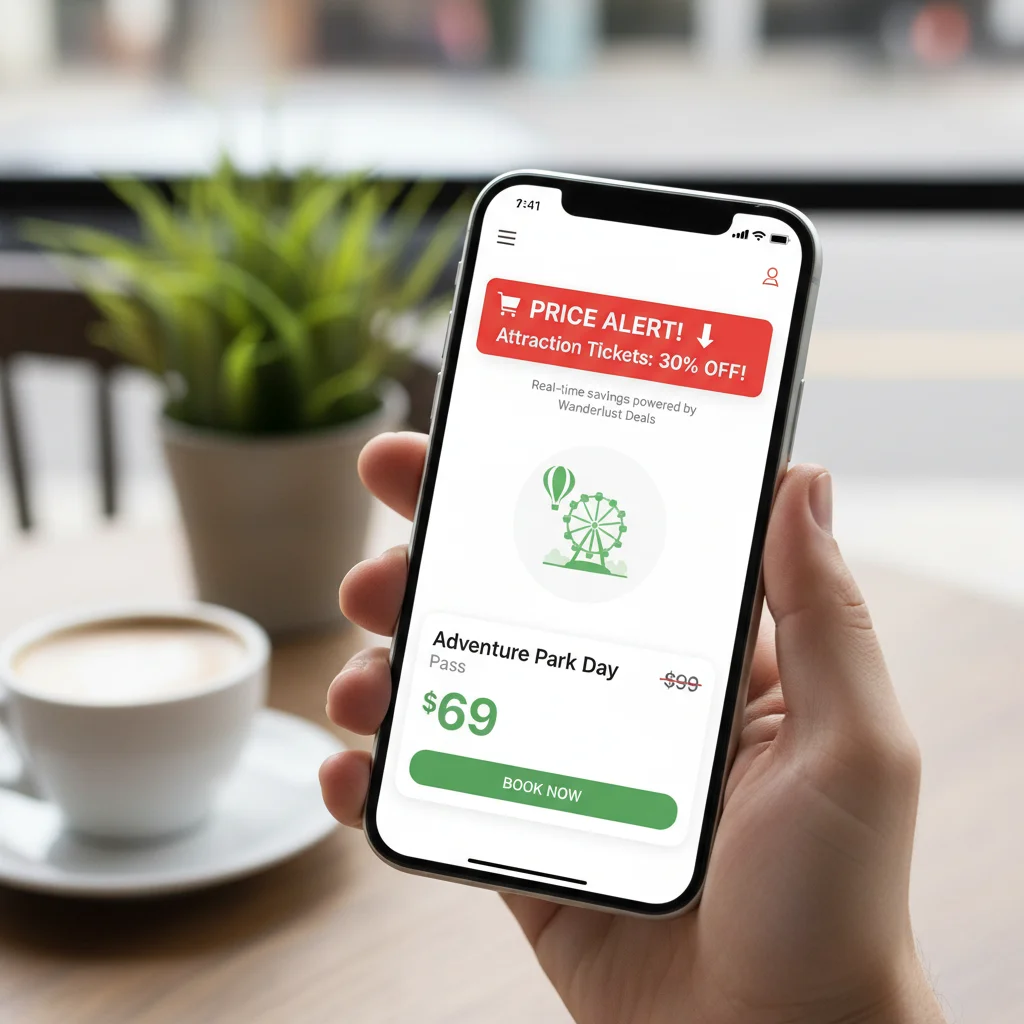
Consider setting up price alerts for specific dates or attractions you’re interested in. This way, you don’t have to constantly check the website yourself. The alert will pop up when the price is right, enabling you to act quickly before it changes again. Some tools even provide historical price data, allowing you to see patterns and predict future dips, further empowering your purchasing decisions. This proactive use of technology is crucial for navigating the ever-changing landscape of dynamic pricing effectively.
Alternative Booking Methods and Discount Opportunities
Beyond direct purchases and timing, exploring alternative booking methods and seeking out discount opportunities can significantly reduce the cost of dynamic pricing attractions. Many people overlook these options, potentially missing out on valuable savings. It pays to broaden your search beyond the attraction’s official website, as various partners and promotions might offer better deals.
Consider purchasing tickets through authorized third-party vendors. Websites like Klook, GetYourGuide, or even reputable travel agencies often have bulk purchasing agreements that allow them to offer tickets at a slightly lower price than the gate price. Always ensure you are buying from a trusted source to avoid scams. Additionally, bundle deals, where you combine attraction tickets with hotel stays or transportation, can sometimes lead to overall savings, even if the individual ticket price isn’t explicitly lower.
Finding Additional Discounts
- Membership Programs: Check if your existing memberships (e.g., AAA, AARP, credit card rewards) offer discounts.
- Local Tourism Boards: Often, city tourism boards or visitor centers have discount passes or coupons for multiple attractions.
- Group Rates: If you’re traveling with a large group, inquire about special group rates.
- Student/Military/Senior Discounts: Always ask if these specialized discounts are available, as they are common.
Sometimes, attractions partner with local businesses or offer promotions tied to specific events. Keeping an eye out for these temporary offers can yield unexpected savings. Don’t be afraid to do a quick search for “[Attraction Name] discount codes” before finalizing your purchase. A few minutes of research can often uncover a coupon or promotional code that applies to your booking, adding another layer of savings to your strategy.
Maximizing Value: Beyond Just the Ticket Price
While finding the lowest ticket price for dynamic pricing attractions is a primary goal, true value maximization extends beyond just the initial cost. Smart travelers consider the entire experience and how to make the most of their investment. Sometimes, paying a little more for a premium option can actually enhance your overall enjoyment and provide better value in the long run, especially if it saves you time or offers exclusive access.
For instance, some attractions offer “fast pass” or “express entry” options that allow you to bypass long queues. While these might cost extra, the time saved can be invaluable, especially if you have limited time or are visiting with children. Consider if the added cost translates to a significantly better experience, such as seeing more attractions or avoiding exhaustion from waiting. The goal is to strike a balance between cost savings and a fulfilling visit.
Look into packages that include meals, merchandise credits, or parking. While these might seem like an upsell, if you were planning to purchase these items anyway, a bundled deal could offer a discount compared to buying them separately. Always do the math to ensure the package genuinely provides savings. Also, check for any free add-ons or experiences that come with your ticket, such as complimentary shows or digital photo downloads, which can add to the perceived value without additional cost. A well-planned visit, even if it involves a slightly higher ticket price for convenience, can often feel like a better value.
Frequently Asked Questions
Q: What exactly is dynamic pricing?
A: Dynamic pricing is a flexible pricing strategy where the cost of a product or service changes in real-time based on market demand, supply, and other external factors like time of day or seasonality. It’s designed to optimize revenue and manage demand.
Q: How can I find the cheapest days to visit an attraction?
A: The cheapest days are typically weekdays (Tuesday-Thursday) during off-peak seasons, avoiding major holidays and school breaks. Many attraction websites have calendars showing price variations by date.
Q: Are third-party ticket vendors reliable for dynamic pricing attractions?
A: Yes, many third-party vendors are reliable and can offer competitive prices. Always ensure you’re using a reputable site, check reviews, and compare prices with the official attraction website before purchasing.
Q: Is it always better to book attraction tickets in advance?
A: Generally, booking in advance is advisable for dynamic pricing attractions as prices tend to rise closer to the date of visit, especially for popular times. However, sometimes last-minute deals can appear if demand is unexpectedly low.
Q: Can I get a refund if the price drops after I’ve purchased my ticket?
A: Most attractions have strict no-refund policies for price drops. It’s best to track prices carefully and buy when you feel comfortable with the rate. Always check the attraction’s specific refund policy before purchasing.
Official Resources
- IAAPA (International Association of Amusement Parks and Attractions) on Dynamic Pricing
- Travel + Leisure: How to Save Money on Theme Park Tickets
- Harvard Business Review: How to Do Dynamic Pricing Right
Conclusion
Navigating the complex world of dynamic pricing doesn’t have to be a frustrating experience. By understanding its mechanisms, strategically planning your visits, and leveraging available technology and discount opportunities, you can significantly reduce the cost of admission to your favorite attractions. Remember, flexibility in your travel dates and a bit of research are your most valuable assets in this endeavor. From choosing off-peak times to signing up for price alerts and exploring alternative booking platforms, every step you take can contribute to substantial savings.
Ultimately, the goal is to make your visit to any attraction as enjoyable and affordable as possible. By becoming an informed consumer, you’re not just saving money; you’re also gaining control over your travel budget and enhancing your overall experience. So, the next time you’re planning an outing, remember these strategies for dynamic pricing attractions. Embrace the challenge, apply these tips, and prepare to unlock those valuable savings, ensuring your adventures are both memorable and budget-friendly. Happy exploring!
