Explore Forest Frontiers: Top 5 Wilderness Areas
For those who yearn for the embrace of nature, where towering trees reach for the sky and the sounds of wildlife fill the air, exploring expansive forest wilderness areas offers an unparalleled escape. These vast, untouched landscapes provide crucial habitats for countless species and offer humans a chance to reconnect with the wild. From ancient woodlands to vibrant rainforests, these natural sanctuaries invite discovery and contemplation.
Venturing into these pristine environments means stepping away from the daily grind and immersing oneself in the raw beauty of our planet. This article will guide you through five remarkable forest wilderness areas across the globe, each promising unique experiences for every nature lover. Prepare to be inspired by the sheer scale and profound tranquility of these irreplaceable natural treasures.
1. The Amazon Rainforest: Earth’s Lungs
The Amazon Rainforest, often called the “lungs of the Earth,” is the largest tropical rainforest in the world, spanning across nine South American countries. This incredible ecosystem is home to an estimated 10% of the world’s known species, making it a hotspot for biodiversity. Its dense canopy, winding rivers, and vibrant wildlife offer an immersive experience unlike any other. Exploring the Amazon allows visitors to witness firsthand the intricate web of life that thrives within this vital natural wonder, from jaguars to countless bird species and unique plant life.
The sheer scale of the Amazon is difficult to comprehend, covering over 5.5 million square kilometers. It plays a critical role in regulating global climate patterns, producing a significant portion of the oxygen we breathe. Visiting this immense wilderness provides an opportunity to support local conservation efforts and indigenous communities who are the guardians of this invaluable natural heritage. Guided tours often offer chances to spot elusive wildlife and learn about traditional ecological knowledge, making for an enriching and educational journey into one of the most important forest wilderness areas on Earth.
2. Tongass National Forest: America’s Largest National Forest
Located in Southeast Alaska, the Tongass National Forest is the largest national forest in the United States, covering nearly 17 million acres. This temperate rainforest is characterized by its ancient trees, intricate coastline, and abundant wildlife. It is a prime example of a healthy old-growth forest, with Sitka spruce and western hemlock dominating the landscape. The Tongass is a vital habitat for a diverse range of animals, including brown bears, bald eagles, and all five species of Pacific salmon, which are crucial to the ecosystem’s health.
The forest’s vastness provides endless opportunities for outdoor recreation, from kayaking through its fjords to hiking along its rugged trails. Many areas within the Tongass are designated wilderness, ensuring their pristine condition for future generations. These protected zones offer a true backcountry experience, where visitors can truly disconnect and immerse themselves in the wild. The Tongass National Forest stands as a testament to the importance of preserving large, intact forest ecosystems for both ecological and recreational value.
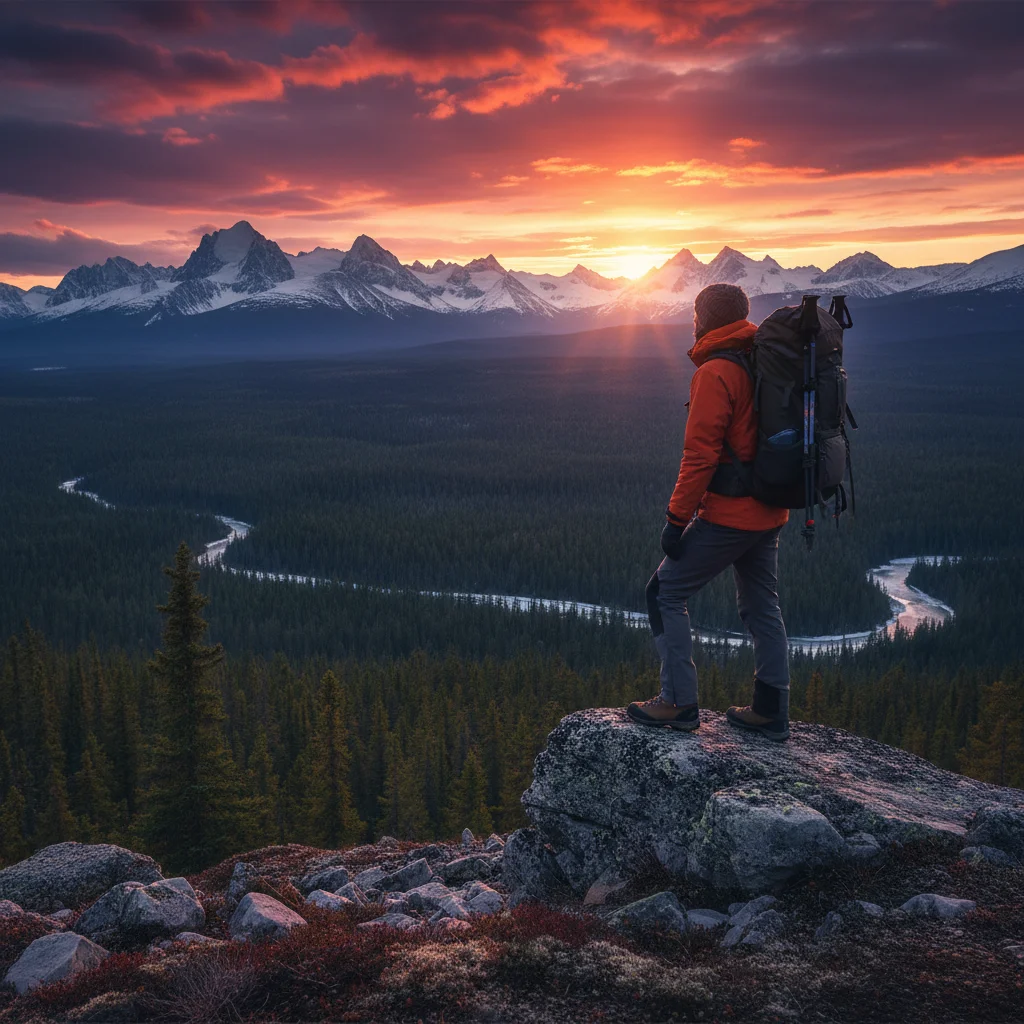
3. Bialowieza Forest: Europe’s Last Primeval Lowland Forest
Straddling the border between Poland and Belarus, the Bialowieza Forest represents the last remaining fragment of Europe’s primeval lowland forest that once covered much of the continent. This ancient woodland is a UNESCO World Heritage site and a Biosphere Reserve, renowned for its exceptional biodiversity and its role as a sanctuary for the European bison, the continent’s heaviest land animal. The forest’s undisturbed nature means it hosts a complex ecosystem, featuring towering oaks, limes, and hornbeams that have stood for centuries, creating a truly magical atmosphere.
Walking through Bialowieza is like stepping back in time, where fallen trees are left to decompose naturally, enriching the soil and supporting new life. This natural process is critical for the forest’s health and resilience. Visitors can explore designated trails, often accompanied by knowledgeable guides, to learn about the forest’s unique flora and fauna. The commitment to preserving this remarkable forest wilderness area ensures that future generations can also experience the wonder of a truly ancient European landscape.
Exploring the Unique Features of Bialowieza
- European Bison Sanctuary: Witness the majestic European bison in its natural habitat, a remarkable conservation success story.
- Ancient Tree Specimens: Marvel at centuries-old trees, some among the oldest in Europe, providing a glimpse into the continent’s past.
- High Biodiversity: Discover a rich variety of fungi, insects, and bird species that thrive in this undisturbed ecosystem.
- Strictly Protected Areas: Experience the true wilderness in zones where human intervention is minimized, allowing natural processes to dominate.
4. Redwood National and State Parks: Giants of the Pacific Coast
Along the northern coast of California, the Redwood National and State Parks protect nearly half of the world’s remaining old-growth redwood forests. These parks are home to the tallest trees on Earth, coastal redwoods (Sequoia sempervirens), which can soar over 300 feet into the sky. Walking among these ancient giants is a profoundly humbling experience, as the sheer scale and age of the trees create a cathedral-like atmosphere. The misty, cool climate of the Pacific coast provides the ideal conditions for these magnificent trees to thrive, supporting a unique understory of ferns and mosses.
The parks are not just about the trees; they also encompass vast prairies, oak woodlands, wild rivers, and nearly 40 miles of pristine coastline. This diverse landscape supports a wide array of wildlife, including Roosevelt elk, black bears, and various marine species. Conservation efforts in this forest wilderness area have been crucial in protecting these endangered ecosystems from logging, allowing visitors to experience the awe-inspiring beauty of these irreplaceable natural wonders. Numerous trails offer opportunities for hiking, from easy strolls to challenging backcountry adventures.
5. The Great Bear Rainforest: Canada’s Wild Jewel
The Great Bear Rainforest, located on the central and northern coast of British Columbia, Canada, is one of the largest remaining tracts of intact temperate rainforest in the world. This remote and wild region is famous for its breathtaking landscapes, encompassing towering ancient trees, dramatic fjords, and a rich marine environment. It is home to a unique subspecies of black bear known as the Kermode bear, or “Spirit Bear,” which has white fur due to a recessive gene. This iconic animal symbolizes the pristine nature of this extraordinary wilderness.
Beyond the Spirit Bear, the Great Bear Rainforest supports an incredible diversity of wildlife, including grizzly bears, wolves, cougars, whales, and a multitude of bird species. The intricate relationship between the land and the sea is evident here, with salmon runs providing vital nutrients to the forest ecosystem. Protecting this forest wilderness area is paramount for its ecological significance and the cultural heritage of the First Nations communities who have lived in harmony with this land for millennia. Visiting this region offers a chance to experience truly wild nature and learn about sustainable tourism.
Frequently Asked Questions
What is a forest wilderness area?
A forest wilderness area is a large, undeveloped natural region primarily covered by forests, legally protected to preserve its natural character and ecological processes. These areas typically have minimal human impact and are managed for conservation and sometimes for primitive recreation.
Why are forest wilderness areas important?
These areas are vital for biodiversity conservation, acting as crucial habitats for countless plant and animal species. They also play a significant role in climate regulation, water purification, and offer unique opportunities for scientific research, spiritual renewal, and outdoor recreation.
How can I visit these remote forest wilderness areas responsibly?
To visit responsibly, always practice Leave No Trace principles, stay on marked trails, respect wildlife, and support local communities and conservation efforts. Consider joining guided tours led by reputable operators who prioritize ecological integrity and cultural sensitivity.
What kind of wildlife can I expect to see in these forests?
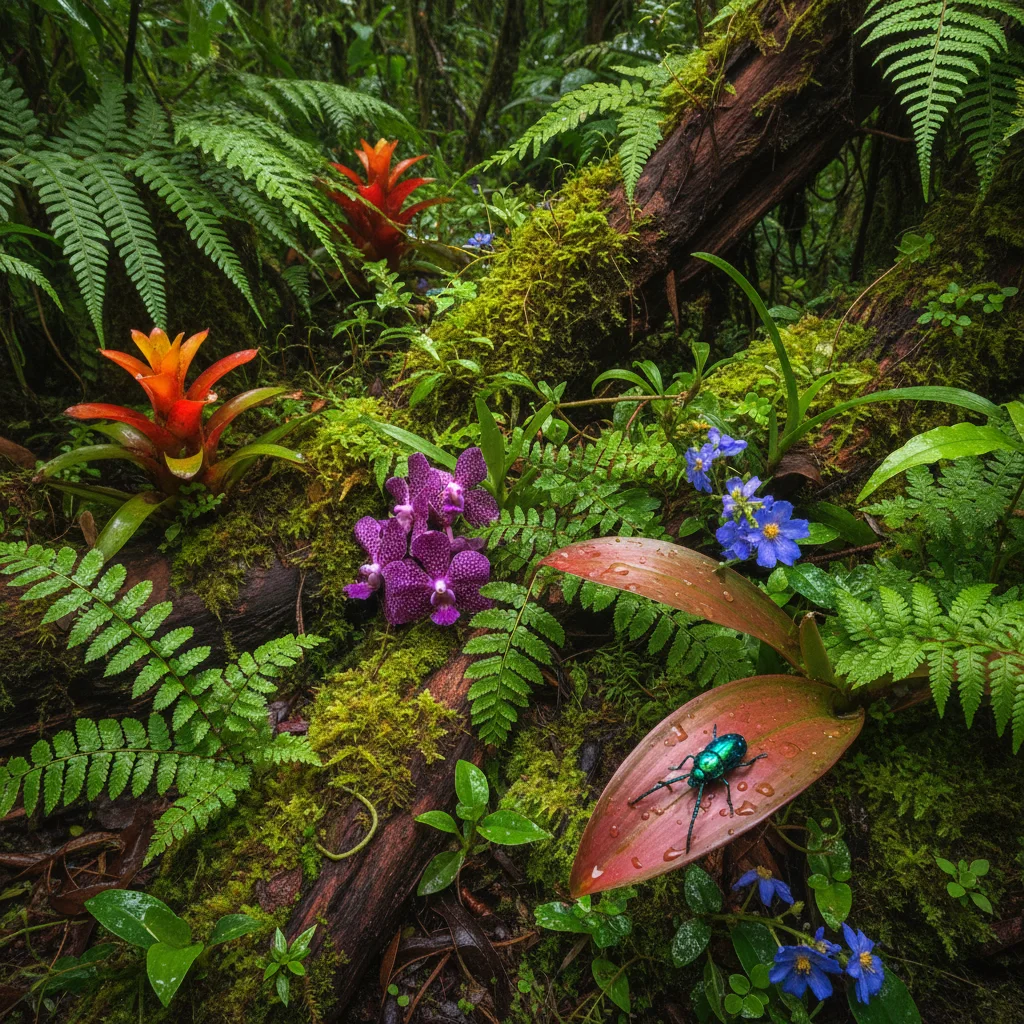
Wildlife varies greatly by region, but common sightings can include various bird species, mammals like bears, deer, and smaller predators, and a vast array of insects and amphibians. Tropical rainforests, in particular, boast an incredible diversity of unique and often colorful creatures.
Are there specific challenges when exploring forest wilderness areas?
Yes, challenges can include navigating dense terrain, encountering unpredictable weather, and the presence of wildlife. It’s crucial to be well-prepared with appropriate gear, navigation tools, and to understand the risks associated with remote environments before embarking on a trip.
Official Resources
- World Wildlife Fund – Amazon
- U.S. Forest Service – Tongass National Forest
- UNESCO World Heritage Centre – Bialowieza Forest
- National Park Service – Redwood National and State Parks
- Government of British Columbia – Great Bear Rainforest
Conclusion
The world’s expansive forest wilderness areas are more than just collections of trees; they are vibrant, breathing ecosystems that sustain life on Earth. From the unparalleled biodiversity of the Amazon to the ancient majesty of Bialowieza, and the towering giants of Redwood, each offers a unique window into the planet’s natural heritage. These five destinations represent some of the most pristine and vital natural spaces remaining, providing critical habitats, regulating global climate, and offering profound opportunities for human connection with nature.
Exploring these incredible forest landscapes is not merely a vacation; it is an act of appreciation and a step towards understanding our collective responsibility to protect these irreplaceable treasures. By supporting conservation efforts and practicing responsible tourism, we can help ensure that these forest frontiers continue to thrive for generations to come. Let these wild places inspire you to seek out adventure, embrace the tranquility of the natural world, and become an advocate for their preservation. The call of the wild is strong, and these magnificent forests await your discovery.
