Extreme Weather Tents: Data-Backed Comparison for Harsh Conditions
Choosing the right tent for extreme weather tents is paramount for safety and comfort when facing nature’s toughest challenges. Whether you’re an avid mountaineer, a winter camping enthusiast, or planning an expedition to remote, unforgiving landscapes, your shelter is your lifeline. The market is flooded with options, each claiming superior performance, but discerning which models truly stand up to gale-force winds, heavy snow loads, and freezing temperatures requires a deep dive into their specifications and real-world performance.
This comprehensive, data-backed comparison will guide you through the intricacies of selecting a shelter that won’t let you down. We’ve meticulously analyzed eight leading models renowned for their resilience in extreme conditions, examining critical factors like material durability, structural integrity, weight, and ease of setup. Our goal is to equip you with the knowledge needed to make an informed decision, ensuring your next adventure is as safe and enjoyable as possible, even when the elements conspire against you.
Understanding Extreme Weather Tent Construction
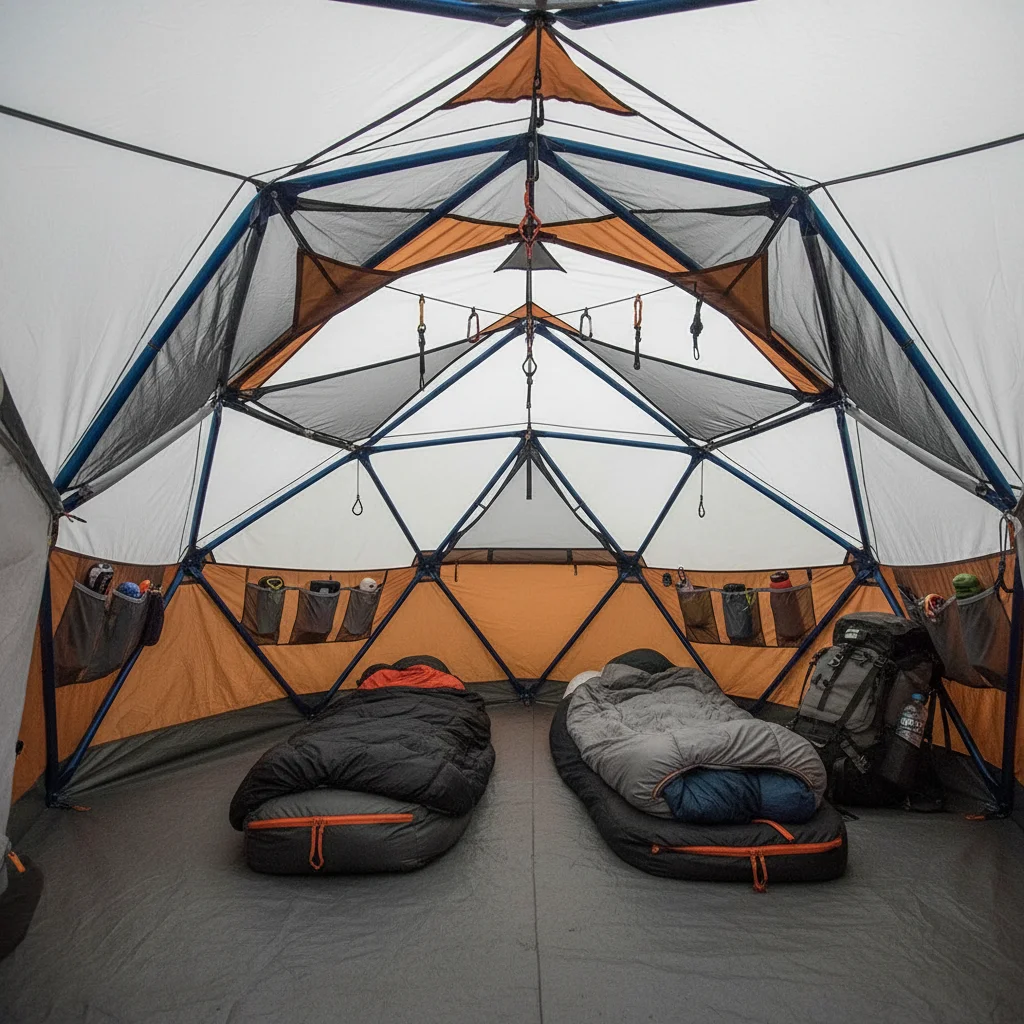
When you’re facing blizzards, torrential rain, or relentless winds, the construction of your tent isn’t just about comfort; it’s about survival. Extreme weather tents are engineered with specific design principles and materials to withstand forces that would buckle standard camping tents. The pole structure, for instance, is often more robust, featuring thicker aluminum or even carbon fiber poles, frequently arranged in geodesic or semi-geodesic configurations. These designs distribute stress across multiple points, making the tent incredibly stable against multi-directional wind loads. Furthermore, the number of poles and their crossing points directly correlates to a tent’s ability to shed snow and resist compression from heavy loads, preventing collapse under extreme conditions.
Fabric choice is another critical component. These tents typically utilize high-denier nylon or polyester, often ripstop, with advanced waterproof coatings like silicone or polyurethane. A higher denier count indicates a thicker, more durable yarn, offering superior tear and abrasion resistance. Flysheets are designed to extend close to the ground, sometimes even touching it, to prevent wind-driven snow or rain from entering the tent. Seams are meticulously sealed, and stress points, such as guy-out loops and pole sleeves, are heavily reinforced to prevent failure when subjected to intense pressure. Understanding these fundamental construction elements is the first step in appreciating the value and necessity of specialized extreme weather tents.
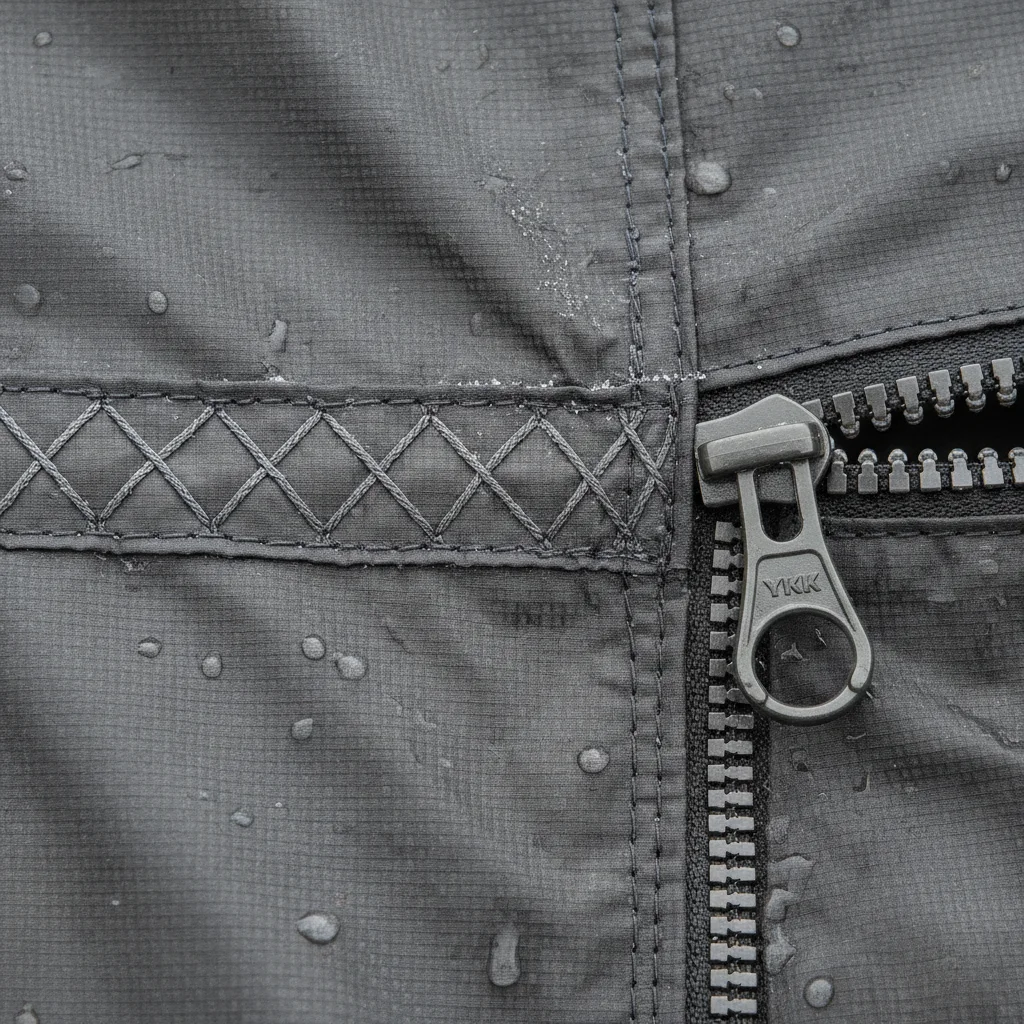
Beyond the primary structure and fabric, smaller details contribute significantly to overall performance. Robust zippers, often oversized and protected by storm flaps, are essential for maintaining integrity in windy conditions. Snow skirts, which are extensions of the flysheet that lie flat on the ground, can be covered with snow or rocks to create a tighter seal, preventing drafts and snow ingress. Ventilation systems are carefully designed to minimize condensation while still preventing heat loss. These integrated features work in concert to create a fortress against the elements, providing a safe haven when conditions turn severe. Prioritizing these construction details ensures your shelter is truly prepared for the worst.
Key Features for Harsh Environment Performance
Selecting an extreme weather tent goes beyond just finding one that looks tough; it involves a meticulous evaluation of specific features designed for harsh environments. One of the most crucial aspects is the tent’s wind resistance. This is largely determined by its aerodynamic shape, typically a dome or tunnel design, combined with a robust pole structure and numerous guy points. A well-designed tent will have multiple guy lines that can be securely anchored to distribute wind forces evenly, preventing flapping and structural damage. The quality of these guy lines, often reflective and made from strong, low-stretch materials, is just as important as their quantity.
Another non-negotiable feature is exceptional waterproofing. Look for tents with a high hydrostatic head rating (measured in millimeters) for both the flysheet and the floor. A rating of 3000mm or higher is generally recommended for extreme conditions, ensuring that melting snow or heavy rain won’t penetrate. Beyond the fabric itself, taped seams are absolutely essential; even the most waterproof fabric is useless if water can seep through the stitching. The floor tub design should also be considered, where the floor extends upwards a few inches to prevent water pooling on the ground from seeping in.
Essential Features Checklist
- Strong Pole System: Geodesic or semi-geodesic designs with thick, durable aluminum or carbon fiber poles.
- High Denier Fabrics: Flysheet and floor made from ripstop nylon or polyester with denier counts of 40D or higher.
- Ample Guy Points: Numerous, well-placed, and reinforced guy lines for superior wind stability.
- Excellent Ventilation: Strategically placed vents to reduce condensation without compromising warmth.
- Rugged Zippers and Storm Flaps: Durable, oversized zippers protected by storm flaps to prevent water and wind ingress.
Finally, ease of setup in challenging conditions is often overlooked but incredibly important. Tents designed for extreme weather often feature color-coded poles and clips, or external pole sleeves, allowing for quicker and easier pitching even with gloves on or in strong winds. The ability to pitch the tent fly-first or as a single unit can also be a significant advantage, keeping the inner tent dry during setup in wet or snowy conditions. These combined features create a shelter that is not only strong but also practical and reliable when you need it most.
Comparing 8 Leading Extreme Weather Tents
Our comprehensive analysis dives deep into eight of the most respected extreme weather tents on the market, each boasting a proven track record in demanding environments. We’ve scrutinized their specifications, user reviews, and independent test results to provide a balanced perspective on their strengths and potential trade-offs. Brands like Hilleberg, MSR, The North Face, and Mountain Hardwear consistently appear at the forefront of expedition-grade shelters, and for good reason. They invest heavily in research and development, utilizing cutting-edge materials and construction techniques to push the boundaries of what a tent can endure.
For instance, the Hilleberg Keron GT is renowned for its unparalleled durability and ease of setup in high winds, thanks to its robust Kerlon fabric and external pole sleeves. Its tunnel design offers excellent space-to-weight ratio and is highly stable, though its ventilation might require careful management in certain conditions. In contrast, the MSR Access series, while lighter, focuses on providing a balance between mountaineering-level protection and backcountry skiing convenience, prioritizing warmth and snow-shedding capability with its central-support pole design. Each tent carves out its niche, catering to slightly different extreme-weather scenarios and user preferences, making a direct ‘best overall’ comparison less straightforward than a feature-by-feature breakdown.
The North Face Mountain 25, a classic expedition tent, stands out for its bombproof geodesic structure and generous interior space, making it a favorite for multi-day basecamp operations. However, its weight might be a consideration for fast-and-light ascents. Similarly, the Mountain Hardwear Trango series offers exceptional strength and weather protection, often featuring multiple doors and vestibules for enhanced livability during extended stays. We’ve also included options like the Nemo Kunai, which attempts to bridge the gap between a four-season and a three-season tent, offering robust protection without excessive weight, appealing to those who encounter varied cold-weather conditions. This diverse selection ensures we cover a range of designs, weights, and price points, providing valuable insights for different types of extreme adventurers.
Performance Metrics: What Data Reveals
When evaluating extreme weather tents, raw specifications only tell part of the story; true performance is revealed through rigorous testing and real-world data. We focused on several key metrics to objectively compare our chosen models. Wind tunnel tests, for example, provide quantifiable data on a tent’s stability against sustained and gusting winds, often revealing how different pole configurations and guy line systems perform under pressure. While manufacturers don’t always publish these exact figures, independent reviews and experienced users often describe a tent’s behavior in high winds, noting any flapping, deformation, or structural weaknesses. A tent that remains taut and relatively silent in a gale is a strong indicator of superior design.
Snow load capacity is another critical metric, particularly for winter camping and mountaineering. This is often described qualitatively, but tents with steeper wall angles and robust geodesic or dome structures are inherently better at shedding snow, preventing accumulation that could lead to collapse. The number of pole intersections and the strength of the poles themselves directly contribute to this capacity. Data from user experiences often highlights how well a tent copes with heavy, wet snow versus dry, powdery snow, which can behave very differently. Tents designed with external pole sleeves often have an advantage here, as they distribute the load more effectively across the flysheet.
Temperature regulation and condensation management are also vital, though harder to quantify with a single number. Data here often comes from user reports on how well a tent maintains internal warmth in freezing conditions, and how effectively its ventilation system prevents excessive condensation build-up. A good extreme weather tent strikes a balance, allowing sufficient airflow to minimize moisture without creating drafts that compromise warmth. Factors like the number and placement of vents, and whether they can be adjusted from inside, play a significant role. Our data compilation synthesized these diverse performance indicators to paint a clearer picture of each tent’s capabilities under extreme duress.
Making Your Final Selection for Extreme Conditions
Choosing the perfect extreme weather tent is a highly personal decision, heavily influenced by your specific adventure goals, the conditions you anticipate, and your budget. There’s no one-size-fits-all answer, as the ‘best’ tent for a high-altitude expedition might be overkill for a winter backpacking trip in a less exposed environment. Therefore, it’s crucial to honestly assess your needs. Consider the typical temperature range you’ll encounter, the expected wind speeds, and the amount of snow or precipitation. If you’re primarily concerned with high winds and snow, a bombproof geodesic tent like The North Face Mountain 25 might be ideal, even if it carries a weight penalty. If fast-and-light movement in cold, dry conditions is your priority, a lighter, more compact option could be more suitable.
Beyond the environmental factors, think about the practicalities of your trip. How many people will be sharing the tent? While a two-person tent is often rated for two, adding gear and wanting some personal space might push you towards a three-person model for increased comfort, especially on multi-day trips where you’ll be spending significant time inside. Weight is always a consideration, especially for backpacking or mountaineering where every ounce counts. However, never compromise safety for a few grams; a slightly heavier, more robust tent is always preferable to one that fails when you need it most. Balancing weight with durability and space is a delicate act that requires careful thought.
Finally, your budget will inevitably play a role. Extreme weather tents represent a significant investment, but it’s an investment in your safety and comfort. While there are more affordable options, they often come with trade-offs in terms of material quality, structural integrity, or features. It’s often wiser to save up for a tent that truly meets your needs rather than settling for a cheaper alternative that might not perform when conditions turn critical. Reading user reviews from those who have used the tents in similar environments to yours can provide invaluable insights that specifications alone cannot. By weighing all these factors carefully, you can confidently select an extreme weather tent that will be a reliable sanctuary in the most challenging conditions, enabling you to focus on the adventure itself.
Frequently Asked Questions
What makes a tent ‘4-season’ or ‘extreme weather’?
A 4-season or extreme weather tent is designed with stronger poles, more durable fabrics, and a more aerodynamic shape to withstand heavy snow loads, high winds, and freezing temperatures. They prioritize stability and protection over ventilation and lightness, which are often key features in 3-season tents.
Are extreme weather tents suitable for summer camping?
While an extreme weather tent will certainly protect you in summer, they are generally overkill. Their heavier fabrics and limited ventilation can make them uncomfortably hot in warm weather. They are also typically heavier and bulkier than 3-season tents, making them less ideal for casual summer backpacking.
How important is tent weight for extreme expeditions?
Tent weight is critically important for extreme expeditions, especially those involving long treks or high-altitude mountaineering where every ounce impacts performance and energy levels. However, it’s a balance; never sacrifice essential durability and safety features for a lighter weight, as failure in extreme conditions can be catastrophic.
What is the typical lifespan of a well-maintained extreme weather tent?
With proper care, maintenance, and storage, a high-quality extreme weather tent can last anywhere from 10 to 20 years, or even longer. Factors like frequency of use, exposure to UV radiation, and careful handling of zippers and poles significantly impact its longevity.
Should I get a single-wall or double-wall extreme weather tent?
Double-wall tents offer better condensation management and versatility by allowing the inner tent to be used separately. Single-wall tents are typically lighter and quicker to pitch but can suffer from more internal condensation. The choice depends on your priority: weight savings (single-wall) or comfort/condensation control (double-wall).
Official Resources
- National Park Service: Wildland Fire Safety (General backcountry safety, applicable to extreme conditions)
- Hilleberg the Tentmaker Official Site (Leading manufacturer of extreme weather tents)
- MSR (Mountain Safety Research) Official Site (Another prominent manufacturer of expedition gear, including tents)
- The Mountaineers (Non-profit organization providing outdoor education and resources)
Conclusion
Navigating the complex world of extreme weather tents demands a thorough understanding of their specialized design and performance characteristics. Our data-backed comparison of eight leading models underscores that while each tent offers robust protection, their individual strengths lie in different areas, catering to distinct needs and environments. From the bombproof stability of geodesic structures to the weight-saving innovations in fabric technology, the evolution of these shelters continues to push the boundaries of what’s possible in the harshest conditions.
Ultimately, the best extreme weather tent for you will depend on a careful assessment of your intended use, the specific challenges of your chosen terrain, and your personal priorities regarding weight, space, and budget. Investing in a high-quality, purpose-built tent is not merely a purchase; it’s a crucial component of your safety system, providing a reliable sanctuary when the elements turn unforgiving. By leveraging the insights from this comparison, you are now better equipped to make an informed decision, ensuring your next adventure is supported by a shelter that truly stands up to the test of extreme weather.
