Fall National Park Adventures: Top 7 Experiences
As the summer heat fades and a refreshing crispness enters the air, a magical transformation begins across America’s national parks. The vibrant greens of summer give way to a spectacular palette of reds, oranges, and golds, creating an unparalleled backdrop for outdoor exploration. Planning your Fall National Park Adventures offers a unique opportunity to experience these iconic landscapes with fewer crowds and more comfortable temperatures. This season truly highlights the natural beauty and diverse ecosystems these protected areas safeguard, making it an ideal time for unforgettable journeys.
From the towering peaks of the Rockies to the ancient forests of the East, each park offers a distinct autumn charm. Whether you’re seeking challenging hikes, serene drives, or captivating wildlife encounters, the fall season enhances every aspect of a national park visit. The cooler weather encourages longer walks and more comfortable camping, while the changing leaves provide endless photographic opportunities. Get ready to discover why autumn is often considered the best time to immerse yourself in the grandeur of the United States’ natural treasures.
Great Smoky Mountains National Park: A Symphony of Color
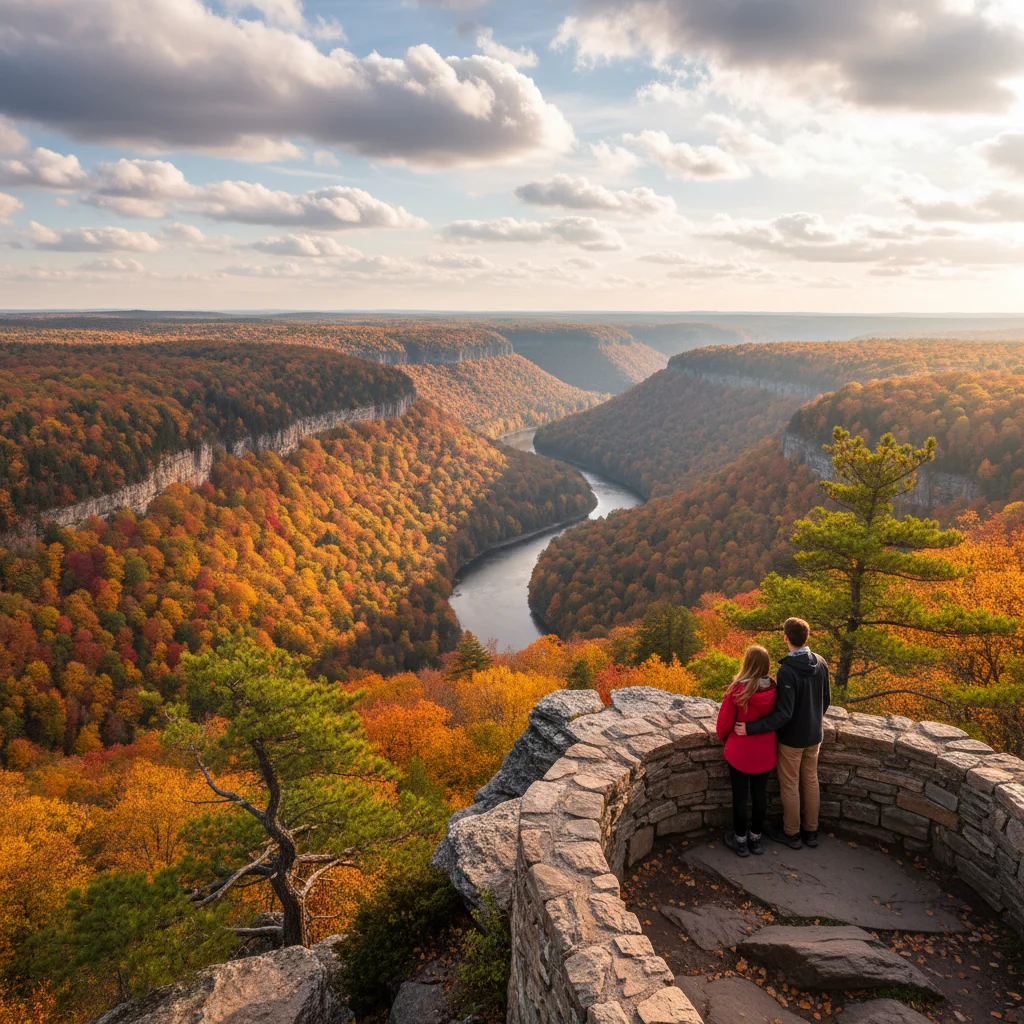
The Great Smoky Mountains National Park, straddling the border of North Carolina and Tennessee, becomes an absolute masterpiece during the fall. Its diverse elevation ranges and abundant deciduous trees create a prolonged and varied leaf-peeping season, often starting in late September at higher altitudes and descending into early November in the lower valleys. This park boasts one of the most biodiverse forest ecosystems in North America, leading to an incredibly rich display of colors. The mixture of sugar maples, scarlet oaks, hickories, and sourwoods contributes to a breathtaking kaleidoscope of reds, oranges, and yellows that blanket the mountainsides.
Beyond the visual spectacle, fall in the Smokies offers pleasant hiking weather, making trails like Alum Cave Bluffs or the Chimney Tops more enjoyable. Wildlife, including black bears, elk, and deer, are often more active and visible during this season as they prepare for winter. Driving along Newfound Gap Road or Cades Cove Loop provides stunning scenic views and numerous pull-offs for photography. The cooler air also means fewer insects, enhancing the overall outdoor experience for visitors seeking tranquil Fall National Park Adventures.
Acadia National Park: Coastal Autumn Charm
Acadia National Park in Maine presents a unique autumnal experience, where the vibrant fall foliage meets the rugged Atlantic coastline. The park’s diverse landscape, featuring granite peaks, dense woodlands, and dramatic ocean views, transforms into a stunning panorama of color. Maple, birch, and oak trees ignite in brilliant reds, oranges, and yellows, providing a stark and beautiful contrast against the deep blue of the ocean and the dark green of the pines. This coastal setting means that the fall colors often peak later than inland areas, typically from mid-October into early November, allowing for extended enjoyment.
Visitors can enjoy scenic drives along Park Loop Road, offering breathtaking vistas of the colorful trees alongside rocky shores and historic lighthouses. Hiking trails, from the challenging Precipice Trail to the more leisurely Jordan Pond Path, become even more rewarding with the crisp air and stunning backdrops. Kayaking or canoeing on the park’s lakes and ponds offers a unique perspective of the autumnal splendor reflected on the water. The combination of ocean air, vibrant leaves, and fewer crowds makes Acadia a truly special destination for Fall National Park Adventures.
Rocky Mountain National Park: Elk Rut and Golden Aspens
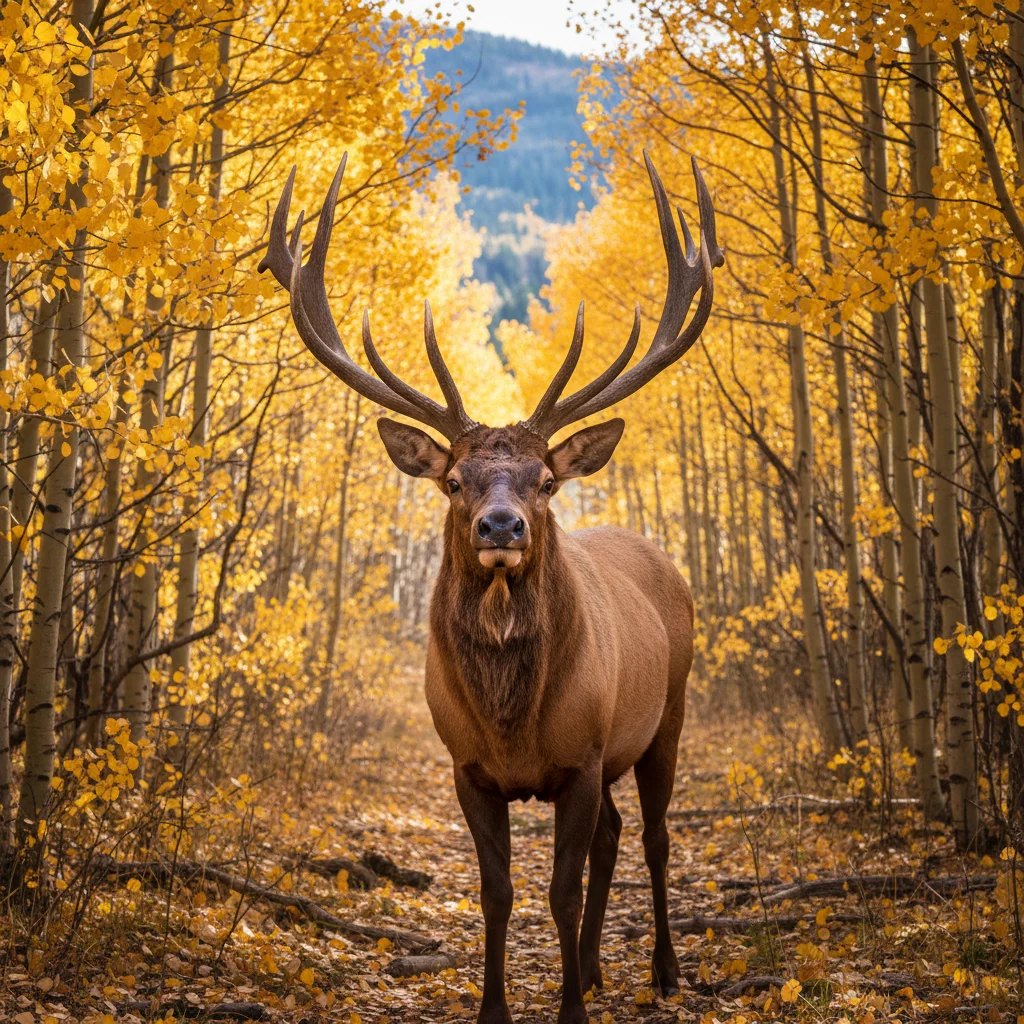
Rocky Mountain National Park in Colorado is synonymous with golden aspens and the majestic elk rut during the fall season. As September arrives, the high-altitude landscapes burst into a brilliant gold, thanks to the vast stands of quaking aspen trees. These trees shimmer in the sunlight, creating an unforgettable visual spectacle against the backdrop of towering granite peaks. The cooler temperatures make for ideal hiking conditions, whether you’re exploring the alpine tundra or trekking through subalpine forests. Trail Ridge Road, the highest continuous paved road in North America, remains open through mid-October, offering unparalleled scenic drives and overlooks of the changing landscape.
Perhaps the most iconic fall phenomenon here is the elk rut. Throughout September and early October, male elk engage in elaborate bugling displays and sparring matches to attract mates, particularly in areas like Moraine Park and Horseshoe Park. This incredible wildlife spectacle draws visitors from around the world. The sounds of bugling elk echoing through the valleys, combined with the dazzling golden aspens, make Rocky Mountain National Park an essential stop for memorable Fall National Park Adventures. Remember to observe wildlife from a safe distance and respect their natural behaviors.
Zion National Park: Desert Oasis in Autumn
Zion National Park in Utah offers a surprisingly vibrant fall experience, contrasting sharply with the typical desert imagery. While not known for extensive deciduous forests like eastern parks, Zion’s cottonwood trees, box elders, and maples that line the Virgin River and canyon bottoms explode in brilliant yellows, oranges, and even deep reds. This colorful foliage creates a striking juxtaposition against the park’s iconic towering sandstone cliffs, which glow in shades of red and orange under the autumn sun. The cooler temperatures of fall are a welcome relief from the intense summer heat, making popular hikes like the Narrows or Angels Landing much more comfortable and enjoyable.
The reduced crowds compared to peak summer months allow for a more serene exploration of Zion’s breathtaking vistas. The shuttle system, which typically runs through late fall, provides easy access to the scenic drives and trailheads. Photography enthusiasts will find endless opportunities to capture the unique interplay of desert geology and vivid autumn colors. The crisp air and comfortable hiking conditions invite visitors to fully immerse themselves in the park’s dramatic beauty. Zion’s unique desert autumn makes it a compelling choice for distinct Fall National Park Adventures, offering a different kind of seasonal splendor.
Shenandoah National Park: Appalachian Grandeur in Gold
Shenandoah National Park in Virginia showcases the breathtaking beauty of the Blue Ridge Mountains as they transition into their autumn glory. Skyline Drive, a 105-mile scenic byway that runs the length of the park, becomes a corridor of unparalleled fall foliage, offering continuous panoramic views of the undulating mountainsides painted in fiery reds, warm oranges, and brilliant yellows. The park’s diverse hardwood forests, including oaks, maples, and hickories, contribute to a prolonged and spectacular color display, typically peaking from mid-October to early November. Numerous overlooks along Skyline Drive provide perfect opportunities to stop, admire, and photograph the vast expanse of autumn color.
Hiking Amidst the Hues
- Old Rag Mountain: A challenging but rewarding hike offering 360-degree views of the fall canopy.
- Dark Hollow Falls: A moderate trail leading to a beautiful waterfall, especially picturesque with fall leaves.
- Stony Man Trail: An easier option with stunning vistas from a rocky outcrop.
- Appalachian Trail Segments: Explore portions of the famous trail, enjoying the peace and beauty of the autumn woods.
Beyond the drives, Shenandoah offers over 500 miles of hiking trails, ranging from easy strolls to strenuous climbs, all enhanced by the cool, crisp autumn air. The chance to spot deer, black bears, and various bird species preparing for winter adds to the park’s allure. Shenandoah National Park truly embodies the essence of Appalachian autumn, making it an ideal destination for those seeking immersive Fall National Park Adventures.
Frequently Asked Questions
Q: When is the best time to see fall foliage in national parks?
A: The peak time for fall foliage varies significantly by park and elevation. Generally, higher elevations and more northern parks see colors in late September to early October, while southern parks and lower elevations peak in late October to early November. Always check park-specific foliage reports before your trip.
Q: Are national parks crowded during the fall?
A: While popular parks can still attract visitors, fall generally sees fewer crowds than the peak summer months. Weekends, especially during peak foliage, can still be busy, but weekdays often offer a more serene experience. Early mornings are also great for avoiding crowds.
Q: What should I pack for a fall national park trip?
A: Layers are key for fall weather, as temperatures can fluctuate widely throughout the day. Pack warm clothing, including a waterproof outer shell, hats, gloves, and sturdy hiking boots. Don’t forget a camera to capture the stunning colors, and plenty of water.
Q: Can I still go camping in national parks during the fall?
A: Many national park campgrounds remain open through the fall, some even year-round. However, services may be reduced, and reservations are highly recommended, especially for popular sites. Be prepared for colder overnight temperatures and potential early snow in higher elevations.
Q: Is wildlife more active in the fall?
A: Yes, fall is an excellent time for wildlife viewing. Many animals, such as elk, deer, and bears, are more active as they prepare for winter, often foraging for food or engaging in mating rituals. Remember to keep a safe distance and never feed wildlife.
Official Resources
- National Park Service Official Website
- Great Smoky Mountains Fall Foliage Prediction Map
- Rocky Mountain National Park Trail Ridge Road Status
- Maine Fall Foliage Reports
- Zion National Park Shuttle Schedule
Conclusion
Embarking on Fall National Park Adventures offers an unparalleled opportunity to connect with nature’s grandeur as it transitions into its most vibrant season. From the fiery maples of the Great Smoky Mountains to the golden aspens of Rocky Mountain National Park and the unique desert hues of Zion, each destination promises a distinct and unforgettable experience. The crisp air, comfortable temperatures, and often-reduced crowds create ideal conditions for hiking, scenic drives, and wildlife observation. This season allows for a deeper appreciation of the intricate ecosystems and stunning landscapes that define America’s national parks, transforming familiar trails and vistas into new, breathtaking spectacles.
Planning your autumn escape to these natural wonders means preparing for a feast for the senses, where every turn reveals a new splash of color and every rustle of leaves tells a story. Whether you’re a seasoned adventurer or seeking a peaceful retreat, the fall season elevates the national park experience to an extraordinary level. Don’t miss the chance to witness this annual transformation; pack your bags, consult the foliage reports, and set out to create lasting memories amidst the spectacular beauty of a national park in autumn. Your next great adventure awaits!
