Mastering 10,000-Foot Ascents: Your 12-Week Training Plan
Embarking on a hike that reaches 10,000-foot ascents is an incredible goal, requiring significant preparation and a dedicated approach to building your hiking endurance. This kind of adventure isn’t just about physical strength; it’s about stamina, mental resilience, and smart training. Our 12-week training plan is meticulously designed to help you progressively build the necessary fitness, ensuring you’re not just ready to reach the summit, but also to enjoy the journey safely and confidently.
Preparing for high-altitude treks means focusing on a holistic training regimen that addresses cardiovascular fitness, muscular strength, and acclimatization strategies. Over the next three months, we will guide you through a structured program that gradually increases intensity and duration, mimicking the demands of a challenging mountain climb. By consistently following this plan, you’ll develop the robust hiking endurance needed to tackle those breathtaking 10,000-foot peaks, transforming your mountain dreams into reality.
Understanding the Demands of High-Altitude Hiking
High-altitude hiking presents unique challenges that go beyond typical trail walking. The air at 10,000 feet contains significantly less oxygen, meaning your body has to work harder to deliver oxygen to your muscles and organs. This reduced oxygen availability can lead to symptoms of acute mountain sickness (AMS), making proper acclimatization and a strong physical foundation absolutely crucial. Your cardiovascular system needs to be highly efficient, and your muscles must be resilient enough to handle sustained effort on steep, uneven terrain.
Beyond the physiological demands, high-altitude environments often come with unpredictable weather, colder temperatures, and increased exposure to UV radiation. This means your training plan isn’t just about getting fit; it’s also about preparing your body to adapt to these external stressors. We’ll focus on exercises that mimic the movements of hiking, such as step-ups and incline walking, while also building general fitness to improve your body’s overall resilience. Understanding these demands is the first step toward effective preparation and successful high-altitude ascents.
Furthermore, the psychological aspect cannot be overstated. Long hours on the trail, often in exposed conditions, require mental toughness and the ability to push through discomfort. Our training plan indirectly builds this by progressively increasing the difficulty of your workouts, teaching you to persevere. It’s about developing a mindset that embraces challenges, knowing that each step you take in training brings you closer to your goal of conquering those majestic 10,000-foot peaks. This comprehensive approach ensures you’re ready for every facet of your high-altitude adventure.
Weeks 1-4: Building Your Foundational Strength and Stamina
The initial four weeks of your training plan are all about establishing a solid base. This period focuses on general physical preparedness, enhancing your cardiovascular health, and strengthening major muscle groups that are critical for hiking. We’ll start with moderate intensity to allow your body to adapt, gradually increasing the duration and resistance as your fitness improves. Consistency during these early weeks is far more important than intensity, as it lays the groundwork for more demanding training later on.
Your cardiovascular training should include a mix of activities that get your heart rate up, such as brisk walking, jogging, cycling, or swimming. Aim for at least 30-45 minutes per session, three to four times a week. For strength training, focus on compound movements that work multiple muscle groups simultaneously, mimicking the functional movements of hiking. This includes exercises like squats, lunges, and step-ups. Remember to listen to your body and prioritize proper form over lifting heavy weights, especially when you are just starting out.
Key Exercises for Weeks 1-4
- Brisk Walking/Light Jogging: 3-4 times a week, 30-45 minutes, focusing on maintaining a conversational pace.
- Bodyweight Squats: 3 sets of 10-15 repetitions, focusing on deep, controlled movements to strengthen legs and glutes.
- Lunges: 3 sets of 10-12 repetitions per leg, improving balance and unilateral leg strength crucial for uneven terrain.
- Step-Ups: Using a sturdy bench or stair, 3 sets of 10-15 repetitions per leg, simulating uphill climbing.
- Plank: 3 sets, holding for 30-60 seconds, to build core stability which is vital for carrying a pack.
Incorporating these exercises consistently will significantly improve your overall fitness, preparing your body for the more specific and challenging demands of the coming weeks. Don’t forget to include dynamic warm-ups before each session and static stretches afterward to improve flexibility and prevent injury. This foundational phase is crucial for developing the robust hiking endurance you’ll need for those impressive 10,000-foot ascents.
Weeks 5-8: Enhancing Uphill Power and Endurance
As you move into weeks 5-8, the focus shifts to building more specific uphill power and significantly increasing your hiking endurance. This phase introduces longer durations for your cardiovascular workouts and incorporates more challenging strength exercises, particularly those that target the leg muscles used during steep climbs. You’ll start to simulate real hiking conditions more closely, which is vital for preparing your body for the sustained effort required for 10,000-foot ascents. The goal here is to push your limits safely and progressively.
Your cardio sessions should now include incline walking or stair climbing, aiming for 45-60 minutes, three to four times a week. If you have access to a stair climber machine or a steep hill, utilize it to mimic the consistent uphill grind. When hiking outdoors, seek out trails with significant elevation gain. For strength training, you can start adding light weights to your squats and lunges, or increase the number of repetitions. Focus on exercises that build power in your glutes, quadriceps, and hamstrings, as these are your primary movers on an ascent.
Consider adding weighted carries to your routine during this period. Wearing a backpack with some weight (start with 10-15% of your body weight and gradually increase) during your walks or hikes will help your body adapt to carrying a load, which is a reality of any multi-hour mountain trek. This also strengthens your core and shoulders, preparing them for the demands of a fully packed hiking bag. Remember to continue with your warm-ups and cool-downs, and prioritize adequate rest to allow your muscles to recover and grow stronger. This phase is about making your body efficient at moving upwards for extended periods.
Weeks 9-12: Peak Performance and Acclimatization Simulation
The final four weeks are dedicated to fine-tuning your fitness, reaching peak performance, and integrating strategies that simulate acclimatization for high-altitude conditions. This is where all your hard work comes together, focusing on longer, more intense sessions that closely mirror the demands of your actual 10,000-foot ascent. The goal is to maximize your hiking endurance and ensure your body is as prepared as possible for the reduced oxygen environment and sustained physical exertion.
Your cardiovascular training should now include longer hikes, ideally 2-4 hours, with significant elevation gain, at least once a week. If possible, complete these hikes with your fully loaded backpack to get accustomed to the weight and feel. On other cardio days, maintain high-intensity incline walking or stair climbing for 60-75 minutes. For strength, maintain your routine but consider adding plyometric exercises like box jumps (if safe and appropriate for your fitness level) to build explosive power, which can be beneficial for navigating technical terrain.
This phase is also crucial for mental preparation. Practice mindful breathing techniques during your strenuous workouts to improve oxygen efficiency and maintain calm under duress. If possible, consider spending a weekend at a moderate altitude (e.g., 5,000-7,000 feet) a few weeks before your main ascent to give your body a taste of higher elevations. This helps your body begin to adapt to lower oxygen levels, even if it’s not at the full 10,000-foot mark. Remember, proper hydration and nutrition become even more critical during this peak performance phase to support your intense training.

Nutrition, Hydration, and Recovery: The Unsung Heroes
While structured workouts are paramount for building hiking endurance, your success in conquering 10,000-foot ascents heavily relies on proper nutrition, consistent hydration, and effective recovery. These three elements are the unsung heroes of any training plan, providing the fuel, fluid balance, and repair mechanisms your body needs to adapt and grow stronger. Neglecting any of these can severely hinder your progress and increase your risk of injury or fatigue, making your goal much harder to achieve.
For nutrition, focus on a balanced diet rich in complex carbohydrates, lean proteins, and healthy fats. Complex carbs like whole grains, fruits, and vegetables provide sustained energy for your long workouts and hikes. Lean proteins are essential for muscle repair and growth, while healthy fats support overall bodily functions and provide a concentrated energy source. Avoid processed foods and excessive sugars, which can lead to energy crashes. Think of your food as fuel; choose options that provide consistent, high-quality energy for your body’s demands.
Hydration is equally critical, especially when training for high-altitude environments where dehydration can exacerbate mountain sickness symptoms. Aim to drink plenty of water throughout the day, not just during workouts. Electrolyte drinks can be beneficial during longer, more intense sessions to replenish lost minerals. For recovery, prioritize adequate sleep (7-9 hours per night) to allow your body to repair and rebuild. Incorporate active recovery days with light activities like gentle stretching or a leisurely walk, and consider foam rolling or massage to address muscle soreness. These practices are not luxuries but necessities for optimal performance and injury prevention.
Frequently Asked Questions
What kind of footwear is best for high-altitude hiking?
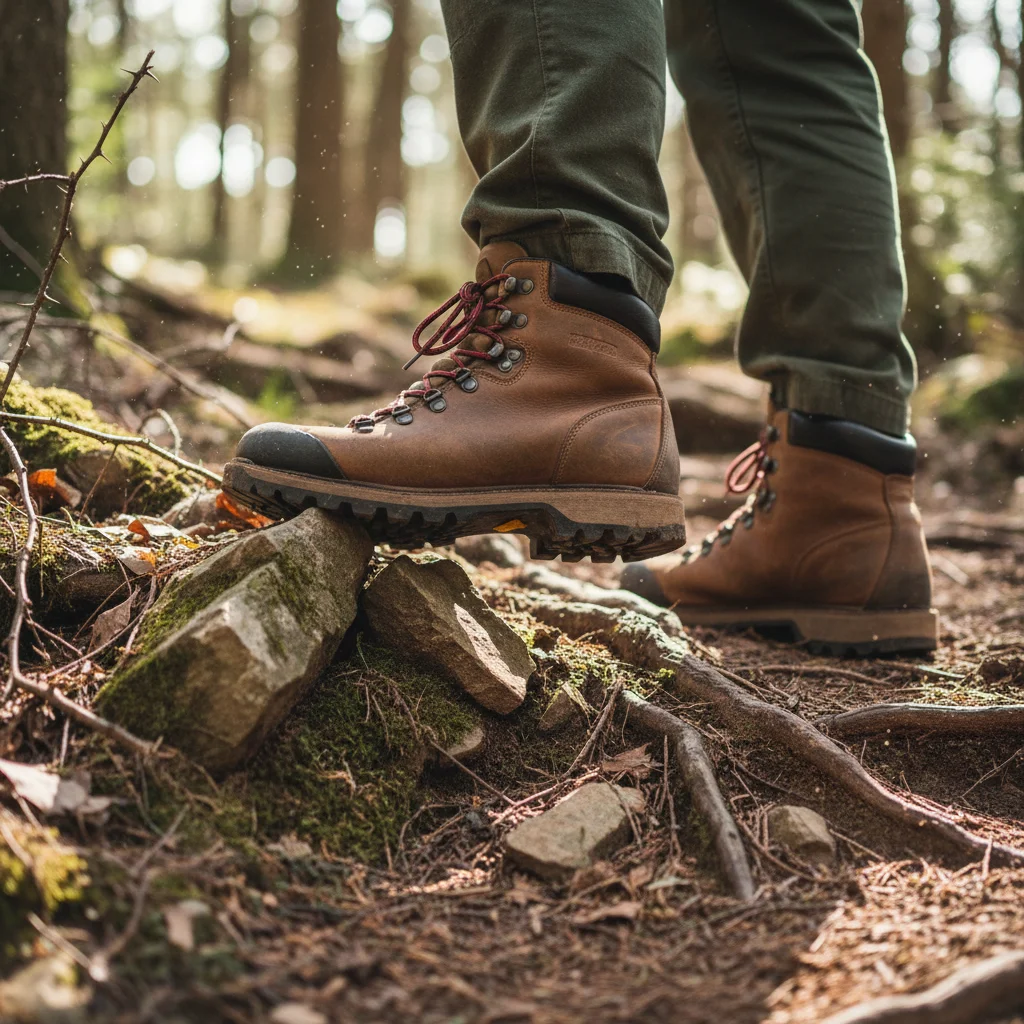
For high-altitude hiking, sturdy, waterproof hiking boots with good ankle support are essential. Look for boots that are well broken in before your trip to prevent blisters, and consider a pair with a stiff sole for better stability on uneven terrain.
How do I prevent acute mountain sickness (AMS)?
Gradual ascent is key to preventing AMS. Our training plan helps build fitness, but slow acclimatization on the mountain itself is vital. Stay hydrated, avoid alcohol, and consider consulting a doctor about prescription medication like Diamox if you’re prone to AMS.
Should I train with a weighted pack?
Yes, training with a weighted pack is highly recommended, especially in the later weeks of your plan. Start with a lighter load and gradually increase the weight to simulate what you’ll carry on your actual hike, strengthening your core and legs.
What if I don’t have access to mountains for training?
If natural mountains aren’t available, simulate elevation gain using stair climbers, inclined treadmills, stadium stairs, or even repeated ascents of tall buildings. Focus on sustained uphill effort to build the necessary muscular and cardiovascular endurance.
How important is rest in a 12-week training plan?
Rest is just as crucial as training. Your muscles repair and grow stronger during rest periods. Overtraining can lead to injury and burnout, so ensure you incorporate dedicated rest days and prioritize quality sleep throughout your 12-week program.
Official Resources
- CDC – Altitude Sickness
- National Park Service – Hiking Safety
- The Mountaineers – How to Train for a Mountain Climb
- American Family Physician – High-Altitude Illness
Conclusion
Successfully conquering 10,000-foot ascents is a testament to dedication, careful planning, and consistent effort. This 12-week hiking endurance training plan provides a comprehensive roadmap, progressively guiding you from foundational fitness to peak performance. We’ve covered the critical aspects of cardiovascular and strength conditioning, the importance of simulating real-world hiking conditions, and the often-underestimated roles of nutrition, hydration, and recovery.
Remember, each week builds upon the last, steadily enhancing your physical capabilities and mental fortitude. By diligently following the exercises, paying attention to your body’s needs, and integrating smart recovery strategies, you’ll not only build the necessary hiking endurance but also cultivate the resilience required for high-altitude environments. Your journey to the summit begins long before you step onto the trail, starting right now with your commitment to this plan. Embrace the challenge, enjoy the process, and prepare to experience the unparalleled reward of standing atop those majestic peaks.
With this structured approach, you’ll transform your aspiration into achievement, ensuring your next high-altitude adventure is not just possible, but truly enjoyable and memorable. Start today, stay consistent, and get ready to witness breathtaking views from new heights.
