Iconic Bridges: Exploring Engineering Marvels & Scenic Views
Anúncios
Bridges are more than just pathways; they are testaments to human ingenuity, connecting people and places while often standing as breathtaking works of art. From ancient stone arches to modern steel giants, these iconic bridges captivate us with their design, history, and the incredible scenic surroundings they frame. Join us as we journey across continents to explore some of the world’s most remarkable bridges and the stories they tell.
Anúncios
The Golden Gate Bridge: San Francisco’s Crimson Icon
The Golden Gate Bridge stands as a globally recognized symbol of San Francisco and American engineering prowess. Completed in 1937, this magnificent suspension bridge spans the Golden Gate Strait, connecting the city to Marin County. Its distinctive “International Orange” color was chosen not just for aesthetics, but also for its high visibility in the often-foggy conditions of the bay. The bridge’s construction was a monumental feat, overcoming strong currents, deep water, and frequent high winds, making it an enduring symbol of perseverance and innovation.
Anúncios
Visitors from all over the world flock to witness its grandeur, whether driving across, cycling the pedestrian path, or simply admiring it from various viewpoints. The surrounding area offers stunning vistas of the Pacific Ocean, Alcatraz Island, and the bustling San Francisco skyline. The Presidio and Fort Point National Historic Site provide excellent vantage points and historical context, allowing for a deeper appreciation of this architectural marvel. Early morning fog often creates a mystical atmosphere, while clear days offer unparalleled photographic opportunities, showcasing the bridge against a brilliant blue sky.
Ancient Roman Aqueducts: Engineering Before Their Time
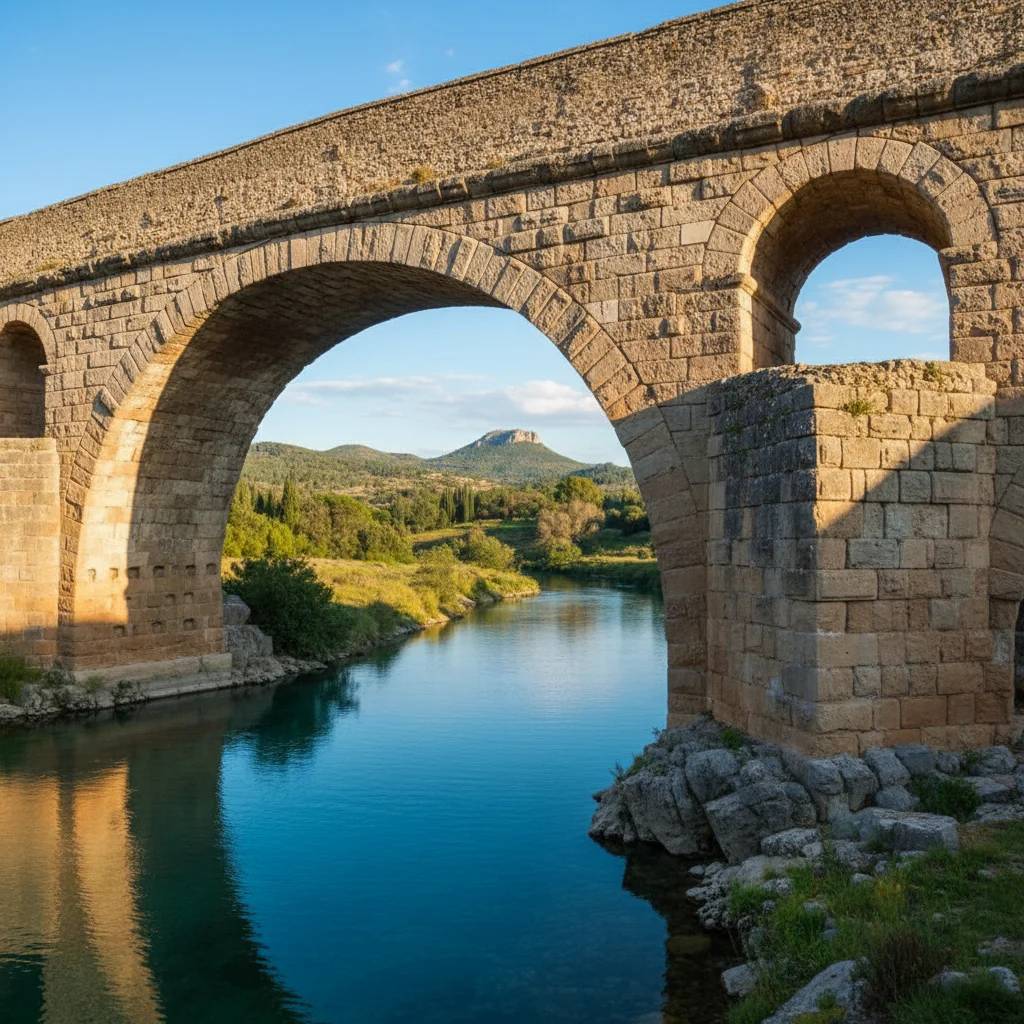
While not bridges in the traditional sense for crossing rivers, Roman aqueducts served a crucial bridging function, carrying water across valleys and ravines to supply cities. These incredible structures, built with remarkable precision and durability, are some of the most enduring examples of Roman engineering. Using gravity and carefully calculated gradients, the Romans constructed vast networks of these stone channels, many of which still stand today, centuries after their original purpose was fulfilled. Their arch designs were revolutionary, allowing for vast spans and incredible structural integrity.
The Pont du Gard in France is perhaps the most famous example, a three-tiered masterpiece of dry stone masonry that once supplied water to the city of Nîmes. Its sheer scale and elegant design are awe-inspiring, set amidst a picturesque natural landscape. Similarly, the Segovia Aqueduct in Spain showcases the Romans’ mastery of stone construction, with its towering arches integrated seamlessly into the urban fabric. These ancient structures remind us that sophisticated engineering principles were understood and applied thousands of years ago, paving the way for future bridge designs and demonstrating incredible foresight in urban planning and resource management.
Tower Bridge: London’s Iconic Victorian Gateway
Tower Bridge, often mistakenly called London Bridge, is an iconic symbol of London and a magnificent example of Victorian engineering and Gothic Revival architecture. Completed in 1894, this combined bascule and suspension bridge spans the River Thames, adjacent to the Tower of London. Its design was a clever solution to allow tall ships access to the Pool of London while still providing a crucial road crossing. The bridge’s two majestic towers are connected by two horizontal walkways, which were originally open to the public for pedestrian access when the bridge was raised, but now house an exhibition.
The bridge’s steam-powered bascules can still be raised to allow large vessels to pass, a spectacle that draws crowds. The scenic surroundings include the historic Tower of London on one bank and City Hall and the HMS Belfast on the other, creating a rich tapestry of history and modernity. Walking across the pedestrian walkways offers panoramic views of the Thames, the city skyline, and other famous landmarks. The bridge’s intricate detailing, from its stone cladding to its ironwork, truly makes it a jewel of London’s architectural heritage, a true standout among iconic bridges.
Sydney Harbour Bridge: The Coathanger of Australia
Affectionately known as “The Coathanger” by locals, the Sydney Harbour Bridge is an undeniable icon of Australia and a global engineering marvel. Opened in 1932, this steel arch bridge connects Sydney’s central business district with the North Shore, carrying road, rail, pedestrian, and bicycle traffic. Its construction during the Great Depression provided much-needed employment and a powerful symbol of national progress and resilience. The bridge’s design, with its massive steel arch, is both robust and elegant, perfectly complementing the stunning natural harbor.
Experience the Bridge
- BridgeClimb Sydney: For the adventurous, climbing the bridge offers unparalleled 360-degree views of Sydney Harbour, the Opera House, and the surrounding cityscape. It’s a truly unforgettable experience.
- Pylon Lookout: A less strenuous option, the Pylon Lookout provides a museum and observation deck within one of the bridge’s southeastern pylons, offering fantastic views and historical insights.
- Walk or Cycle: Pedestrian and cycle paths allow for a more leisurely exploration of the bridge, providing different perspectives of the harbor’s beauty.
The bridge’s position overlooking the Sydney Opera House creates one of the world’s most recognizable and photographed cityscapes, especially during major events like New Year’s Eve fireworks. Its presence defines the city’s identity, symbolizing both its industrious spirit and its vibrant, outdoor lifestyle.
The Millau Viaduct: A Modern Marvel in France
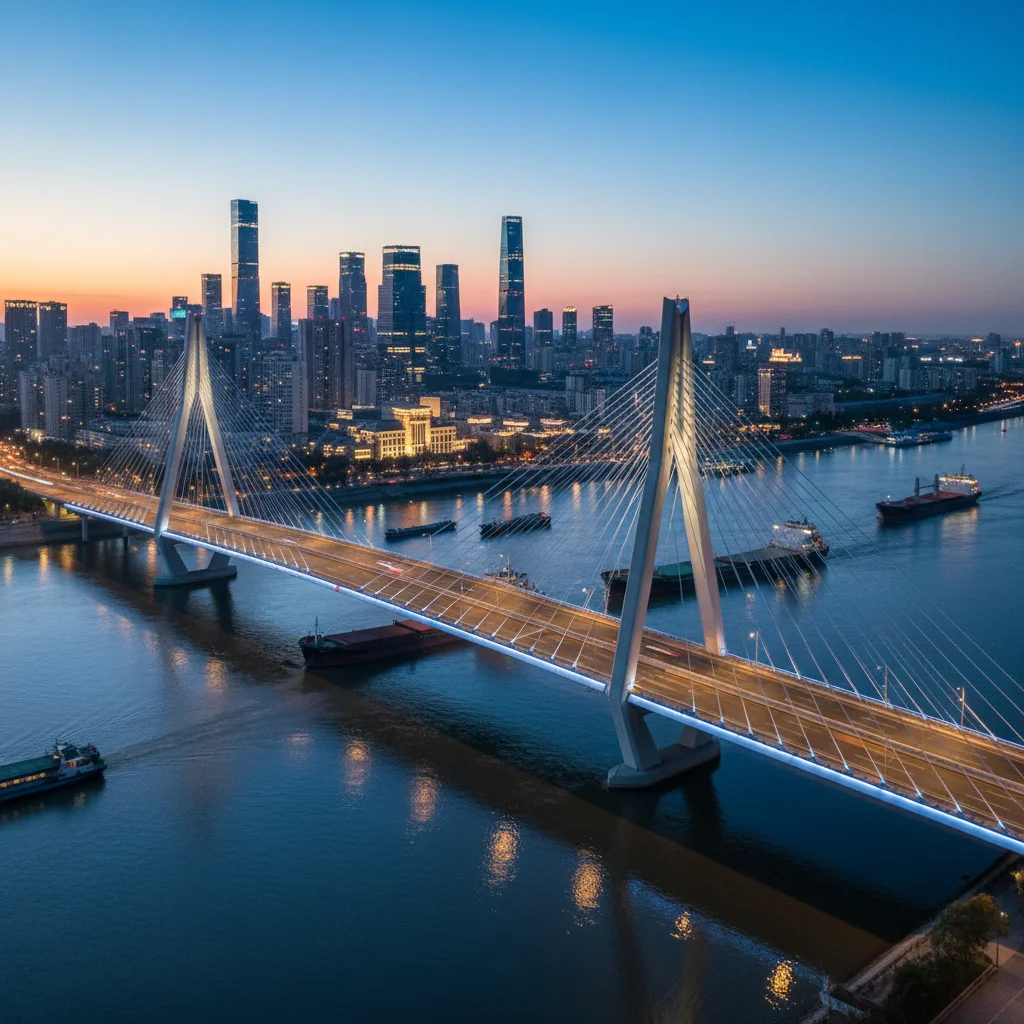
The Millau Viaduct in Southern France is not just a bridge; it’s a breathtaking work of art and a triumph of modern engineering. Opened in 2004, this cable-stayed bridge spans the valley of the River Tarn near Millau, forming part of the A75 autoroute. Designed by French structural engineer Michel Virlogeux and British architect Norman Foster, it is the tallest bridge in the world, with one mast reaching a staggering 343 meters (1,125 ft) – taller than the Eiffel Tower. Its slender, elegant design seems to float above the valley, often piercing through the clouds, creating an ethereal spectacle.
The bridge’s construction involved innovative techniques to minimize its environmental impact and maximize its aesthetic appeal. Its seven mast-supported decks are a testament to precision engineering, ensuring stability and durability in challenging weather conditions. The surrounding landscape of the Grands Causses Regional Natural Park is equally stunning, characterized by dramatic limestone plateaus, deep gorges, and lush valleys. Viewing the viaduct from below, or from specially designed viewpoints, offers a profound sense of scale and wonder. It seamlessly blends cutting-edge technology with natural beauty, making it a must-see for anyone interested in modern architectural achievements and the beauty of iconic bridges.
Frequently Asked Questions
What makes a bridge iconic?
An iconic bridge is typically recognized for its unique design, significant engineering achievement, historical importance, or its prominent role in defining a city’s skyline or cultural identity. They often become symbols of their location.
Are older bridges less safe than modern ones?
Not necessarily. Older bridges, especially well-maintained ones, can be very safe. Engineering standards and materials have evolved, but many older structures were built with robust designs and have undergone continuous maintenance and upgrades to meet current safety requirements.
What is the longest bridge in the world?
The Danyang-Kunshan Grand Bridge in China holds the record as the world’s longest bridge. It’s a viaduct on the Beijing-Shanghai High-Speed Railway, stretching over 164 kilometers (102 miles).
How do bridges withstand strong winds and earthquakes?
Modern bridges are designed with sophisticated engineering principles to resist extreme forces. This includes aerodynamic designs to reduce wind resistance, flexible joints, and seismic isolation bearings to absorb earthquake energy, ensuring structural integrity.
Can I visit the interior of any famous bridges?
Yes, several iconic bridges offer interior access or museum experiences. For instance, London’s Tower Bridge has an exhibition within its towers and upper walkways, and the Sydney Harbour Bridge offers the Pylon Lookout with a museum and observation deck.
Official Resources
- Golden Gate Bridge Official Website
- Tower Bridge Official Website
- Sydney Harbour Bridge Info
- Millau Viaduct Official Website
- Pont du Gard (UNESCO World Heritage Site)
Conclusion
Our journey through the world of iconic bridges reveals much more than just feats of engineering; it showcases humanity’s enduring quest to connect, innovate, and create beauty. From the mist-shrouded grandeur of the Golden Gate to the ancient, enduring arches of Roman aqueducts, each bridge tells a unique story of its time, its builders, and the landscapes it transforms. These structures are not merely functional; they are powerful symbols of progress, resilience, and artistic vision, often becoming synonymous with the very identity of their cities and nations. They invite us to pause, admire, and reflect on the incredible capabilities of human endeavor. Whether you’re an architecture enthusiast, a history buff, or simply a traveler seeking breathtaking views, exploring these magnificent bridges offers an unparalleled experience. They stand as silent sentinels, bridging gaps not just in geography, but also in our understanding of what is possible when human ingenuity meets a grand vision. So, next time you encounter one of these majestic structures, take a moment to appreciate the incredible journey it represents.
