Gear Maintenance for Longevity: Extend Outdoor Equipment Life
Embarking on outdoor adventures is exhilarating, but the joy can quickly fade if your equipment fails. Ensuring your outdoor gear longevity is not just about saving money; it’s about safety, reliability, and maximizing your enjoyment in the wilderness. Proper maintenance can extend the life of your valuable outdoor equipment by a significant margin, potentially up to 30% or more, transforming it from a short-term investment into a long-lasting companion for countless escapades.
Many outdoor enthusiasts overlook the simple yet crucial steps that keep their gear in prime condition. From the tent that shelters you from the elements to the hiking boots that carry you over rugged terrain, every piece of equipment benefits from regular care. This guide will walk you through essential annual tips and practices designed to preserve your gear, ensuring it’s always ready for your next big adventure.
Understanding the Importance of Regular Gear Cleaning
Regular cleaning is the cornerstone of maintaining outdoor gear longevity. Dirt, sweat, mud, and even sunscreen can break down materials over time, compromising their performance and shortening their lifespan. Think of your gear as an extension of yourself; just as you wouldn’t go weeks without washing your clothes, your outdoor equipment needs similar attention after each use, or at least on a regular schedule. This isn’t just about making your gear look good; it’s about preventing irreparable damage and maintaining its functional integrity.
For instance, leaving mud caked on your hiking boots can dry out and crack the leather or fabric, while salt from sweat can corrode zippers and hardware on backpacks. Even seemingly harmless dust can abrade waterproof coatings. A thorough cleaning regimen removes these harmful elements, protecting the integrity of fabrics, coatings, and mechanical components. It’s a small effort that yields significant returns in terms of equipment durability and reliability.
Best Practices for Cleaning Different Gear Types
- Tents: Always pitch your tent to dry completely before packing it away. If it’s muddy, gently brush off loose dirt. For deeper cleaning, use a sponge with mild, non-detergent soap and lukewarm water. Rinse thoroughly and air dry away from direct sunlight to protect the fabric’s UV resistance.
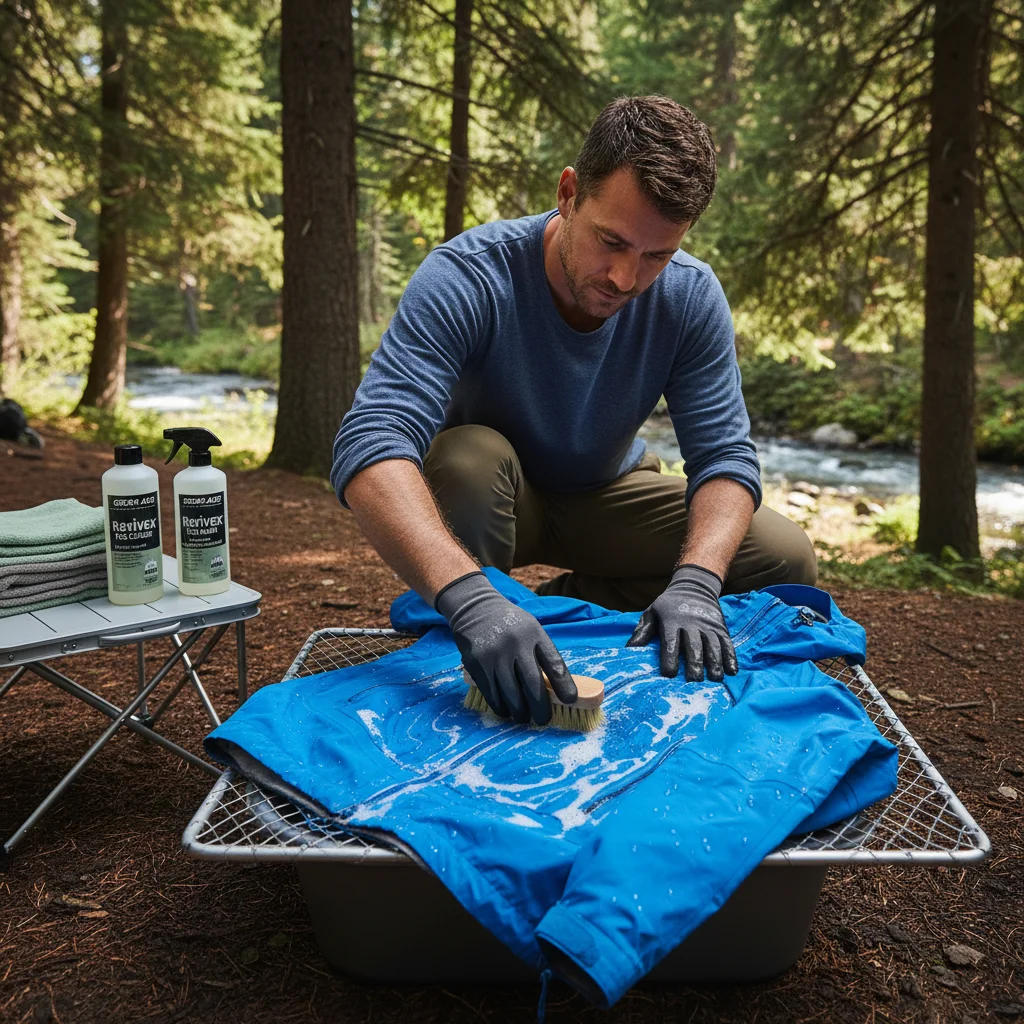
- Backpacks: Empty all compartments and shake out debris. Spot clean with a damp cloth and mild soap. For a full wash, use a large tub with lukewarm water and a gentle, non-detergent soap. Scrub with a soft brush, focusing on dirty areas. Rinse well and hang to air dry completely.
- Sleeping Bags: Check the care label first. Down bags often require special down wash and careful drying with tennis balls to fluff the down. Synthetic bags can usually be machine washed on a gentle cycle with a front-loading washer and a mild detergent. Always air dry thoroughly.
- Waterproof Jackets: Use a technical wash designed for waterproof breathable fabrics. Wash on a gentle cycle with cold water, then tumble dry on low heat or air dry. Reapply DWR (Durable Water Repellent) treatment as needed to maintain water repellency.
By following these specific cleaning guidelines, you’re not just tidying up; you’re actively preserving the specialized materials and treatments that make your outdoor gear perform its best. This meticulous approach directly contributes to extending the life of your equipment and ensuring its readiness for future adventures.
Proper Storage Techniques to Maximize Lifespan
Once your outdoor gear is clean, how you store it plays a pivotal role in its long-term health and contributes significantly to outdoor gear longevity. Improper storage can lead to mildew, material degradation, pest damage, and loss of loft in insulated items. Imagine packing away a damp tent only to find it covered in mold weeks later, or a sleeping bag compressed so tightly its insulation never fully recovers. These scenarios are easily avoidable with a few thoughtful storage practices.
The goal of proper storage is to protect your gear from environmental stressors like moisture, extreme temperatures, UV light, and compression. Creating an ideal storage environment ensures that fabrics remain pliable, coatings stay intact, and insulation retains its thermal properties. This preventive measure saves you the headache and expense of replacing gear prematurely, allowing you to enjoy your equipment for many seasons to come.
Key Principles for Optimal Gear Storage
- Keep it Dry: Always ensure gear is completely dry before storage. Even a slight amount of moisture can lead to mildew growth, which not only smells bad but also degrades fabrics and coatings.
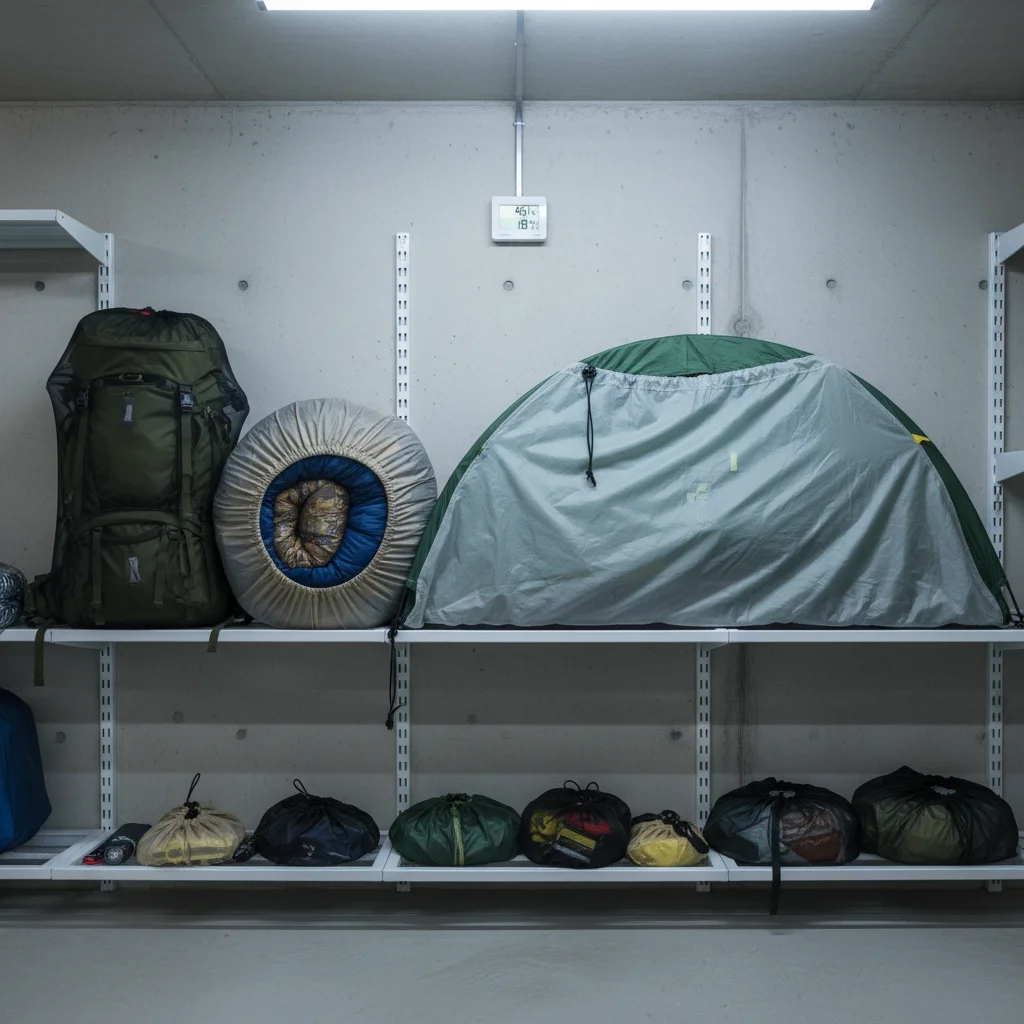
- Loft for Insulation: For sleeping bags and insulated jackets, store them uncompressed in a large mesh bag or hung in a closet. Compressing insulation for extended periods permanently reduces its ability to loft and trap warm air.
- Cool, Dark, and Ventilated: Store gear in a cool, dry, dark, and well-ventilated space. Attics, garages, and basements can be too hot, humid, or cold. A closet or dedicated gear locker inside your home is often ideal.
- Away from Pests: Protect your gear from rodents and insects. Use sealed containers for smaller items if necessary, but ensure they are breathable to prevent moisture buildup for larger items.
- Avoid Sunlight: UV rays are detrimental to most outdoor fabrics, causing them to break down and fade over time. Store gear away from windows or direct sunlight.
By implementing these storage principles, you’re actively creating an environment that preserves the structural integrity and performance characteristics of your gear. This mindful approach to storage is a critical step in extending the life of your outdoor equipment, ensuring it’s ready for action whenever adventure calls.
Repair and Maintenance: Addressing Wear and Tear Proactively
Even with the best cleaning and storage, outdoor gear will inevitably experience some wear and tear. Proactive repair and maintenance are crucial for maximizing outdoor gear longevity. Ignoring small rips, loose seams, or sticky zippers can quickly lead to larger, more expensive problems, or even render a piece of equipment unusable. Addressing these issues as they arise prevents minor damage from escalating into major failures, keeping your gear in top working order.
Think of it like maintaining a car; you wouldn’t ignore a strange noise or a slow leak in a tire. The same principle applies to your outdoor equipment. A small patch on a tent fly can prevent a large tear in a storm, and lubricating a zipper can save you from a frustrating struggle in the cold. Taking the time to perform small repairs not only extends the life of your gear but also builds a deeper connection with your equipment, understanding its nuances and capabilities.
Essential Repair Skills for Outdoor Enthusiasts
- Patching Tears: Keep a repair kit handy with adhesive patches for tents, jackets, and sleeping pads. Clean the area, apply the patch firmly, and allow it to cure. For larger tears, consider sewing a patch for added durability.
- Zipper Care: Zippers can get sticky or separate. Clean them with a small brush and apply a zipper lubricant or wax. If teeth are bent, gently straighten them with pliers. For sliders that no longer close the teeth, a replacement slider can often be installed.
- Seam Sealing: Over time, the seam tape on waterproof gear can peel or crack. Reapply seam sealer to maintain waterproof integrity, especially on tents and rain jackets.
- Buckle and Strap Repair: Broken buckles or frayed straps can be replaced. Many outdoor gear retailers sell replacement buckles and webbing that can be sewn or threaded into place.
Developing these basic repair skills empowers you to tackle common issues on your own, saving time and money. Investing in a good repair kit and learning how to use its contents effectively is a smart move for any outdoor enthusiast. Regular inspection for wear and tear, coupled with timely repairs, significantly contributes to the overall lifespan of your outdoor equipment.
Waterproofing and UV Protection: Shielding Your Gear
The elements are a gear’s worst enemy, and effective waterproofing and UV protection are vital for maintaining outdoor gear longevity. Rain, snow, and harsh sunlight can quickly degrade fabrics and coatings, diminishing their performance and comfort. A tent that leaks or a jacket that wets out compromises safety and enjoyment in the field. Similarly, prolonged exposure to ultraviolet rays weakens materials, making them brittle and prone to tearing.
Many outdoor items come with a Durable Water Repellent (DWR) coating and UV inhibitors, but these wear off over time with use and washing. Reapplying these protective treatments is a critical step in annual gear maintenance. It restores the gear’s original performance characteristics, ensuring it continues to repel water and resist sun damage effectively. This proactive approach ensures your gear remains a reliable shield against nature’s challenges.
Reapplying Protective Treatments
- DWR Reapplication: For waterproof jackets, pants, and sometimes tents, DWR can be reapplied using spray-on or wash-in treatments. Clean the item first, then apply the DWR according to the product instructions. Heat activation (tumble drying on low) often helps bond the DWR to the fabric.
- Tent Fly and Floor Sealing: While many tents have factory-sealed seams, the waterproof coating on the fly and floor can degrade. Specialized sealants can be painted or sprayed onto these surfaces to restore their waterproof properties.
- UV Protectants: For gear constantly exposed to the sun, like tent flies, backpacks, and ropes, consider using a UV protectant spray. These sprays form a protective barrier against harmful ultraviolet rays, preventing fabric degradation and fading.
By regularly reapplying these protective treatments, you’re actively fighting against the natural breakdown caused by environmental exposure. This not only extends the life of your gear but also ensures it performs optimally when you need it most, providing comfort and safety during all your outdoor pursuits. Don’t underestimate the power of these protective layers in preserving your investment.
Seasonal Checks and Pre-Trip Preparations
Beyond annual deep cleaning and maintenance, conducting seasonal checks and thorough pre-trip preparations is essential for maximizing outdoor gear longevity. Just as you might winterize your home or car, taking a moment to inspect your gear before and after each season, or prior to a significant trip, can catch potential issues before they become critical. This systematic approach ensures that every piece of equipment is not only functional but also safe and reliable for the adventures ahead.
A pre-trip inspection, in particular, can prevent unpleasant surprises in the field, like discovering a broken tent pole or a non-functional headlamp when you’re miles from civilization. These checks provide peace of mind and allow you to address any deficiencies proactively, ensuring your gear is truly ready for the demands of your next outdoor experience. It’s about being prepared, not just for the trip, but for the continued health of your equipment.
Comprehensive Gear Inspection Checklist
- Tents and Shelters: Set up your tent completely. Check for holes, tears, or worn spots on the fly, body, and floor. Inspect poles for cracks or bends, and ensure shock cords are taut. Check zippers for smooth operation and guy lines for fraying.
- Sleeping Systems: Unpack your sleeping bag and pad. Look for tears, punctures, or loss of loft in the sleeping bag. Inflate your sleeping pad and check for slow leaks. Ensure stuff sacks are intact.
- Backpacks: Load your backpack as if for a trip. Check all seams, straps, and buckles for signs of wear. Ensure zippers operate smoothly. Inspect the frame (if applicable) for damage.
- Footwear: Clean and inspect hiking boots. Check soles for delamination or excessive wear. Inspect laces, eyelets, and stitching. Treat leather with conditioner or reapply waterproofing as needed.
- Headlamps and Electronics: Check batteries, ensure all functions work, and inspect for corrosion in battery compartments. Carry spare batteries.
By making these seasonal and pre-trip inspections a regular habit, you create a robust system for maintaining your outdoor gear. This diligent approach not only extends the lifespan of each item but also significantly enhances your safety and enjoyment during every outdoor excursion. A well-maintained kit is a reliable kit, ready for whatever the wild throws your way.
Frequently Asked Questions
Q: How often should I clean my outdoor gear?
A: It’s best to clean your gear after every significant use, especially if it’s exposed to dirt, mud, or sweat. For less frequent use, a thorough cleaning at least once a season or annually is recommended.
Q: Can I use regular laundry detergent to wash my waterproof jacket?
A: No, regular laundry detergents can strip DWR coatings and clog the pores of breathable waterproof membranes. Always use a specialized technical wash designed for waterproof breathable fabrics.
Q: How should I store my sleeping bag to maintain its loft?
A: Store your sleeping bag uncompressed in a large mesh storage sack or hung in a closet. Avoid keeping it in its small stuff sack for extended periods, as this can permanently reduce its insulation’s loft.
Q: What should I do if I find a small tear in my tent?
A: Address small tears immediately with an adhesive repair patch from a gear repair kit. For larger or critical tears, consider sewing a patch on for added durability and then sealing the seams.
Q: Is it necessary to reapply DWR to my gear?
A: Yes, DWR coatings wear off over time. Reapplying DWR is crucial to maintain your gear’s water repellency, preventing fabrics from wetting out and preserving their breathable properties.
Official Resources
- REI Expert Advice: How to Care for Your Gear
- GORE-TEX Product Care
- The North Face Product Care
- Patagonia Repair & Care Guides
Conclusion
Investing in quality outdoor gear is just the first step; ensuring its outdoor gear longevity requires consistent effort and attention. By embracing a routine of regular cleaning, proper storage, proactive repairs, and diligent application of protective treatments, you not only extend the life of your equipment but also enhance its reliability and performance. These annual maintenance tips are not merely suggestions; they are essential practices that safeguard your investment and, more importantly, ensure your comfort and safety during every adventure.
From the smallest buckle to the largest tent, every component of your outdoor kit plays a vital role. Taking the time to care for each piece reflects a deeper respect for the gear that accompanies you into the wild. Make these maintenance habits a part of your outdoor lifestyle, and you’ll find your equipment ready and eager for countless more expeditions, delivering dependable performance for years to come. Your adventures deserve nothing less than well-maintained, long-lasting gear.
