Uncover Overlooked Travel Insurance Clauses for Your Next Trip
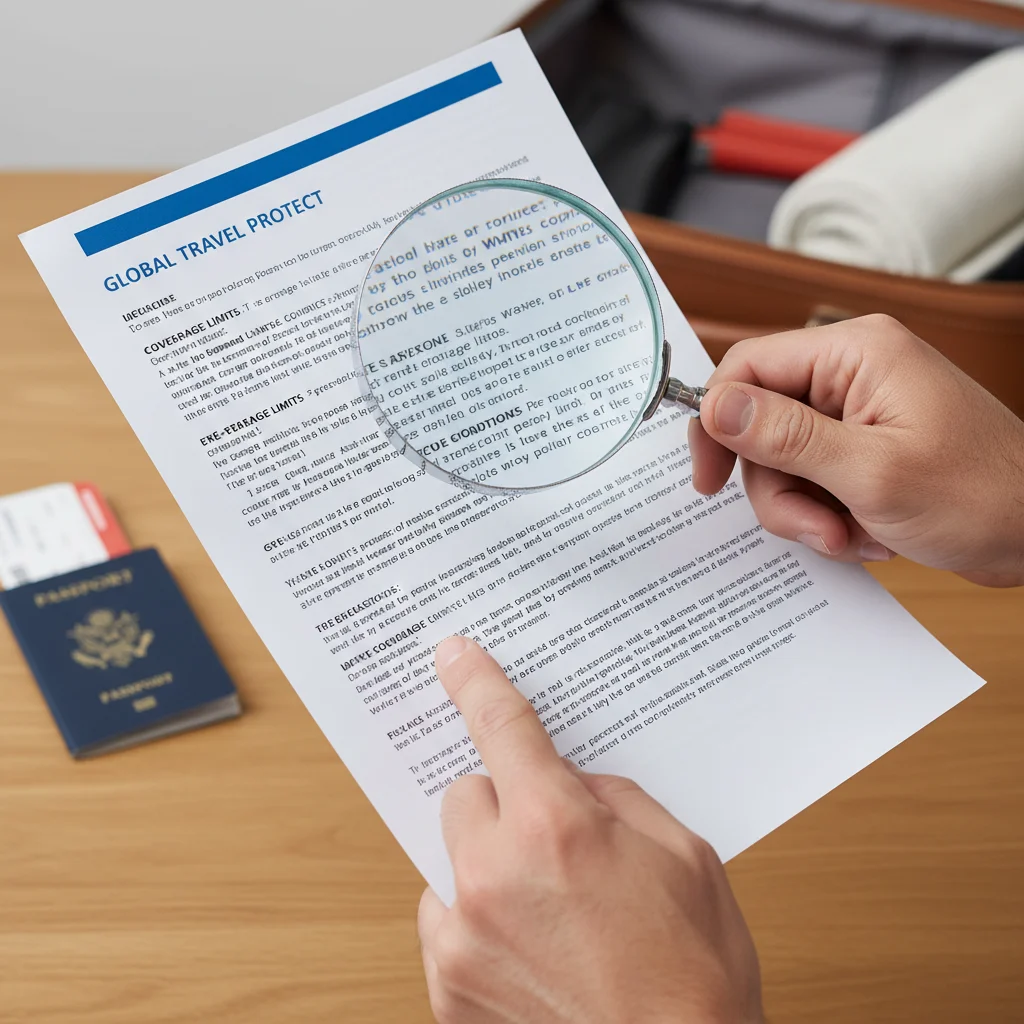
Planning your next big adventure can be exciting, but overlooking crucial details can turn a dream trip into a nightmare. One area often skimmed over is travel insurance. While you might think you’re covered, many policies contain overlooked travel insurance clauses that can significantly impact your protection. Understanding these hidden stipulations before you depart is key to safeguarding your finances and peace of mind.
It’s not enough to simply buy a policy; you need to know what it truly covers and, more importantly, what it doesn’t. Many travelers discover these gaps only when they need to make a claim, leading to unexpected out-of-pocket expenses. This article will help you navigate the fine print, highlight seven commonly missed clauses, and empower you to choose the right coverage for your unique travel needs.
Pre-existing Medical Conditions Exclusions
One of the most frequently overlooked travel insurance clauses pertains to pre-existing medical conditions. Many travelers assume their health issues will be covered if something goes wrong abroad, but this is often not the case. Most standard travel insurance policies have strict rules about what constitutes a pre-existing condition and whether it will be covered. This typically includes any illness, injury, or medical condition for which you’ve received diagnosis, treatment, or medication in a specified period (often 60 to 180 days) before purchasing the policy or booking your trip.
Failing to declare a pre-existing condition, even if it seems minor, can lead to your claim being denied entirely if that condition or a related one causes a medical emergency during your trip. Some policies offer waivers or specific add-ons for pre-existing conditions, but these usually come at an extra cost and require a medical questionnaire. Always be honest and thorough when applying for insurance, as honesty is the best policy to ensure your coverage is valid when you need it most. Reviewing this section carefully can prevent significant financial strain if a medical issue arises.
It’s vital to understand the look-back period defined in your policy. This period dictates how far back the insurer will review your medical history. If you’ve had a stable condition for years but had a flare-up within this look-back window, it might still be considered pre-existing. Always check if your specific conditions are eligible for coverage or if you need to seek specialized insurance. Ignoring this detail could leave you vulnerable to high medical bills in a foreign country, which can quickly add up to thousands of dollars.
Adventure Activities and Sports Exclusions
For the adventurous traveler, understanding the limitations on adventure activities and sports is another critical, yet often overlooked travel insurance clause. Many standard policies exclude coverage for injuries sustained during activities considered high-risk. This can include anything from skydiving, bungee jumping, and whitewater rafting to more common vacation activities like scuba diving (especially at certain depths), skiing, or even motorbiking. Travelers often assume that if an activity is offered by a reputable tour operator, it must be covered, which is a dangerous assumption.
Before you plan to engage in any thrill-seeking activities, meticulously review your policy’s fine print. Some insurers offer optional add-ons or specific adventure sports packages that can extend coverage to these activities. Without such an endorsement, a broken leg from a ski accident or an injury from a diving excursion could leave you facing substantial medical bills with no insurance recourse. It’s not just about the activity itself, but also the level of risk associated with it, which insurers define very specifically.
Commonly Excluded Activities
- Scuba diving (beyond a certain depth or without certification)
- Winter sports (skiing, snowboarding, ice climbing)
- Extreme sports (bungee jumping, skydiving, paragliding)
- Motorcycling or moped riding (especially if you don’t hold a valid license for the country)
- Mountaineering or rock climbing
If your itinerary includes any of these or similar activities, contact your insurance provider to confirm coverage. Don’t wait until you’re on the slopes or about to jump out of a plane to discover you’re not protected. Adequate preparation here means you can enjoy your adventures without financial worry.
‘Reasonable Efforts’ and Duty of Care Requirements
Many travelers are surprised to learn about the ‘reasonable efforts’ or ‘duty of care’ clauses embedded in their travel insurance policies. These clauses essentially state that you, the policyholder, are expected to take reasonable steps to prevent loss, damage, or injury. This isn’t just common sense; it’s a contractual obligation. For instance, if your luggage is stolen, the insurer might deny your claim if you left it unattended in a public place. Similarly, if you rent a car and leave it unlocked with valuables inside, any theft might not be covered because you didn’t exercise reasonable care.
This principle extends to medical situations as well. If you fall ill, the policy might require you to seek medical attention promptly from a qualified professional. Delaying treatment or ignoring medical advice could be seen as not making ‘reasonable efforts’ to mitigate your condition, potentially impacting your coverage for subsequent complications. These clauses aim to prevent fraudulent claims and encourage responsible behavior from travelers, but they can be a trap for the unwary who simply aren’t aware of their obligations.
Understanding what your insurer deems ‘reasonable’ is crucial. It often means taking precautions that a prudent person would take in similar circumstances. For your belongings, this might mean using hotel safes, keeping bags in sight, and reporting thefts to local authorities immediately. For health, it means not self-diagnosing or ignoring symptoms that require professional medical advice. Always read these sections carefully to avoid unknowingly violating a clause that could void your coverage when you need it most. Neglecting these details could turn a minor incident into a major financial headache.
Policy Voidance Due to Alcohol or Drug Use
It’s a common misconception that travel insurance covers all incidents, regardless of the circumstances. However, a significant and often overlooked travel insurance clause relates to policy voidance due to alcohol or drug use. Most, if not all, travel insurance policies explicitly state that claims arising directly or indirectly from the use of alcohol or non-prescribed drugs will be denied. This isn’t limited to illegal drugs; it can also apply if you are under the influence of alcohol and an incident occurs, even if it’s an accident that would typically be covered.
Imagine you’re enjoying a few drinks on vacation, and you have an accident, such as falling and breaking a bone. If your blood alcohol level is above a certain limit (which might not even be the legal driving limit in that country), your insurer could refuse to cover your medical expenses. The same applies if you engage in any activity while impaired and suffer an injury. The insurer will investigate the circumstances surrounding the incident, and if impairment is found to be a contributing factor, your coverage could be invalidated.
This clause serves as a reminder to always travel responsibly. While enjoying your vacation, be mindful of your consumption of alcohol and other substances. The financial implications of having a claim denied due to this clause can be severe, especially if you incur high medical costs or require emergency evacuation. Always prioritize your safety and adhere to the terms of your insurance policy to ensure you’re protected throughout your trip. This clause is not merely a formality but a serious condition that can have profound consequences.

Specific Country or Region Exclusions
Travelers often assume that once they buy a worldwide policy, they are covered everywhere. However, another frequently overlooked travel insurance clause involves specific country or region exclusions. Insurers often have lists of countries or regions where their policies are either invalid or offer limited coverage due to political instability, war, natural disaster warnings, or high-risk health concerns. These exclusions are dynamic and can change based on current global events, so what was covered last year might not be covered this year.
Before booking your trip, and definitely before purchasing insurance, check if your destination is on any exclusion list. Government travel advisories (like those from the U.S. State Department or your home country’s equivalent) are often a key indicator for insurers. If your destination is under a ‘Do Not Travel’ advisory, it’s highly likely that your insurance policy will not cover any incidents that occur there. Even a ‘Reconsider Travel’ advisory might trigger limitations on certain types of claims, such as trip cancellation or medical emergencies.
Why Destinations Get Excluded
- Political unrest or civil war
- Natural disaster warnings (e.g., active hurricane season)
- High crime rates
- Epidemics or serious health risks
- Lack of adequate medical facilities
Traveling to an excluded region means you are essentially self-insured for anything that happens there, which can be an incredibly risky gamble. Always verify your destination’s status with your insurer and consult official government travel advisories. This proactive step ensures your policy remains valid and provides the protection you expect, allowing you to travel with true peace of mind rather than false assumptions.
Coverage Limits for Valuables and Electronics
Many travelers pack expensive cameras, laptops, smartphones, and jewelry, assuming their travel insurance will fully cover these items if they are lost, stolen, or damaged. However, the coverage limits for valuables and electronics are among the most commonly overlooked travel insurance clauses. Standard policies often have low per-item limits and overall limits for these categories, which may be significantly less than the actual replacement cost of your high-tech gear or cherished possessions.
For example, a policy might offer a total baggage coverage of $1,000, but then specify a single-item limit of $300 and a combined limit for all electronics of $500. If your $1,500 laptop is stolen, you might only receive $300 or $500, leaving a substantial gap in coverage. This is particularly frustrating for photographers, digital nomads, or anyone traveling with specialized equipment. You also need to consider depreciation; insurers typically pay out the depreciated value, not the brand-new replacement cost.
To ensure adequate protection for your valuable items, carefully review these specific limits in your policy. If the standard coverage is insufficient, you might need to purchase additional coverage, often called a ‘valuables rider’ or ‘electronics add-on.’ Alternatively, some homeowners’ or renters’ insurance policies may offer worldwide coverage for personal property, so it’s worth checking those policies as well. Always keep receipts and take photos of your valuables before you travel, as proof of ownership and value is usually required for a claim. Don’t let a small detail in the fine print turn your lost gadget into a major financial setback.
Specific Exclusions for Rental Car Collision Damage
When renting a car abroad, many travelers rely on their travel insurance for collision damage waiver (CDW) coverage, often declining the rental company’s expensive insurance. However, specific exclusions for rental car collision damage are frequently overlooked travel insurance clauses that can lead to unexpected out-of-pocket costs. While some travel insurance policies do offer secondary CDW coverage, it’s crucial to understand its limitations and what it truly covers.
Firstly, many travel insurance CDW benefits are secondary, meaning they only kick in after your primary auto insurance (if it applies internationally) or credit card coverage has been exhausted. Secondly, these policies often exclude certain types of vehicles, such as luxury cars, exotic vehicles, RVs, trucks, or even certain models of standard cars. If you rent one of these excluded vehicles, your travel insurance CDW might be completely void. Additionally, damages to tires, windshields, undercarriage, or interior are frequently not covered, even if the main body damage is.
Always read the fine print regarding rental car coverage. It’s also wise to check with your credit card company, as many premium cards offer primary CDW coverage, which can be more comprehensive. Understanding these nuances before you drive off the lot can save you thousands in repair costs. Don’t assume your travel insurance will cover every ding and scratch on your rental; verify the specifics to avoid a costly surprise. A little research now can prevent a lot of stress later, ensuring your road trip remains worry-free.
Frequently Asked Questions
What is a pre-existing condition in travel insurance?
A pre-existing condition is typically any illness, injury, or medical condition for which you’ve received diagnosis, treatment, or medication within a specified period (e.g., 60-180 days) before purchasing your policy or booking your trip. It’s crucial to declare these to your insurer.
Will my travel insurance cover extreme sports?
Standard travel insurance usually excludes extreme sports like skydiving or bungee jumping. You often need to purchase a specific add-on or a specialized adventure sports policy to ensure coverage for these high-risk activities.
What does ‘reasonable efforts’ mean in my policy?
‘Reasonable efforts’ means you are expected to take sensible precautions to protect your belongings and health, such as not leaving valuables unattended or seeking prompt medical attention when ill. Failing to do so can lead to claim denial.
Can alcohol consumption affect my travel insurance claim?
Yes, most travel insurance policies deny claims arising directly or indirectly from alcohol or non-prescribed drug use. Incidents occurring while you are under the influence may not be covered, leading to significant out-of-pocket expenses.
Are all countries covered by a ‘worldwide’ travel insurance policy?
Not always. Even ‘worldwide’ policies can have specific country or region exclusions, especially for areas with government travel advisories due to political instability, war, or natural disasters. Always check your destination’s status with your insurer.
Official Resources
- U.S. Department of State: Travel Insurance
- CDC: Travel Health Insurance
- National Association of Insurance Commissioners (NAIC): Travel Insurance
- USA.gov: Travel Insurance
Conclusion
Understanding the intricacies of your travel insurance policy is not just a recommendation; it’s a necessity for any savvy traveler. By delving into the fine print and recognizing these often overlooked travel insurance clauses, you empower yourself to make informed decisions and secure genuine protection. From pre-existing condition exclusions to limits on adventure sports and the critical ‘reasonable efforts’ clause, each detail plays a pivotal role in determining your coverage when an unforeseen event occurs.
Taking the time to review your policy before departure can save you from significant financial burdens and immense stress during your travels. Don’t assume; always verify. Ask questions, seek clarification from your insurer, and consider specialized coverage if your trip involves unique risks or valuable possessions. Your peace of mind is invaluable, and a well-understood travel insurance policy is your best companion against the unpredictable nature of travel. Travel smart, stay informed, and enjoy your journey knowing you’re truly covered.
