Mastering Public Transport: Save 30% on Ground Travel Costs
Embarking on a journey, whether it’s for daily commutes or exploring new cities, often involves ground travel. While private vehicles offer flexibility, they come with substantial costs like fuel, parking, and maintenance. This is where mastering public transport can become your secret weapon for significant savings, potentially cutting your ground travel expenses by up to 30%.
Understanding how to effectively use buses, trains, subways, and trams isn’t just about getting from point A to B; it’s about making informed choices that benefit your wallet and the environment. This guide will walk you through practical strategies to maximize your public transport savings, making your travel both affordable and efficient. We’ll delve into everything from choosing the right passes to leveraging technology, ensuring you get the most out of every ride.
Understanding Your Current Travel Costs and Potential Savings
Before diving into specific strategies for public transport savings, it’s crucial to understand your current travel expenditures. Many people underestimate how much they spend on ground transportation, especially when factoring in hidden costs. Start by tracking everything: fuel, parking fees, tolls, car insurance premiums, maintenance, and even the depreciation of your vehicle. A clear picture of these expenses will highlight the financial benefits of switching to public transport.
For instance, if you drive 20 miles round trip for work five days a week, the cost of fuel alone can add up quickly, not to mention the wear and tear on your car. Parking in urban areas can cost anywhere from $10 to $50 per day, easily eclipsing the cost of a monthly public transport pass. By compiling these figures, you’ll see the direct financial incentive to explore alternatives. The goal is not necessarily to eliminate private vehicle use entirely, but to identify opportunities where public transport can offer a more economical solution.
Consider the cumulative effect of these small daily expenses. A $5 coffee every workday adds up to $100 a month; similarly, small travel costs can accumulate into significant sums. By carefully analyzing your current spending, you can set realistic goals for how much you aim to save. Public transport often provides a fixed cost, like a monthly pass, which makes budgeting much simpler and more predictable. This transparency in pricing is one of the key advantages that contribute to substantial public transport savings.
Many commuters find that once they calculate their total driving costs, the appeal of public transport becomes undeniable. The potential to save up to 30% or more on ground travel is a powerful motivator. This initial assessment forms the foundation of your strategy, allowing you to target specific areas where public transport can replace more expensive options and lead to tangible financial relief. It’s about making smart, data-driven decisions about your daily movements.
Choosing the Right Public Transport Passes and Fares
One of the most effective ways to maximize public transport savings is by selecting the appropriate fare structure or pass for your travel habits. Most public transportation systems offer a variety of options, from single-ride tickets to daily, weekly, or monthly passes. The key is to analyze your typical travel patterns and choose the option that provides the best value. For example, if you commute daily, a monthly pass will almost certainly be more cost-effective than purchasing individual tickets each time you ride.
Many cities also provide specialized passes for specific groups, such as students, seniors, or low-income individuals. These discounted fares can lead to even greater savings. Always inquire about eligibility requirements and available programs. Additionally, some regions offer integrated passes that allow you to use multiple modes of transport – buses, trains, and subways – under a single fare, simplifying your travel and often reducing overall costs compared to separate tickets for each mode.
Exploring Pass Options:
- Monthly or Annual Passes: Ideal for regular commuters, offering unlimited rides within a specified period for a fixed price.
- Daily or Weekly Passes: Best for tourists or those with temporary intensive travel needs, providing flexibility for shorter durations.
- Off-Peak Fares: Some systems offer reduced fares during non-rush hour times, which can be beneficial if your schedule allows for flexible travel.
- Group Tickets: Traveling with family or friends? Look for group tickets, which often provide a per-person discount.
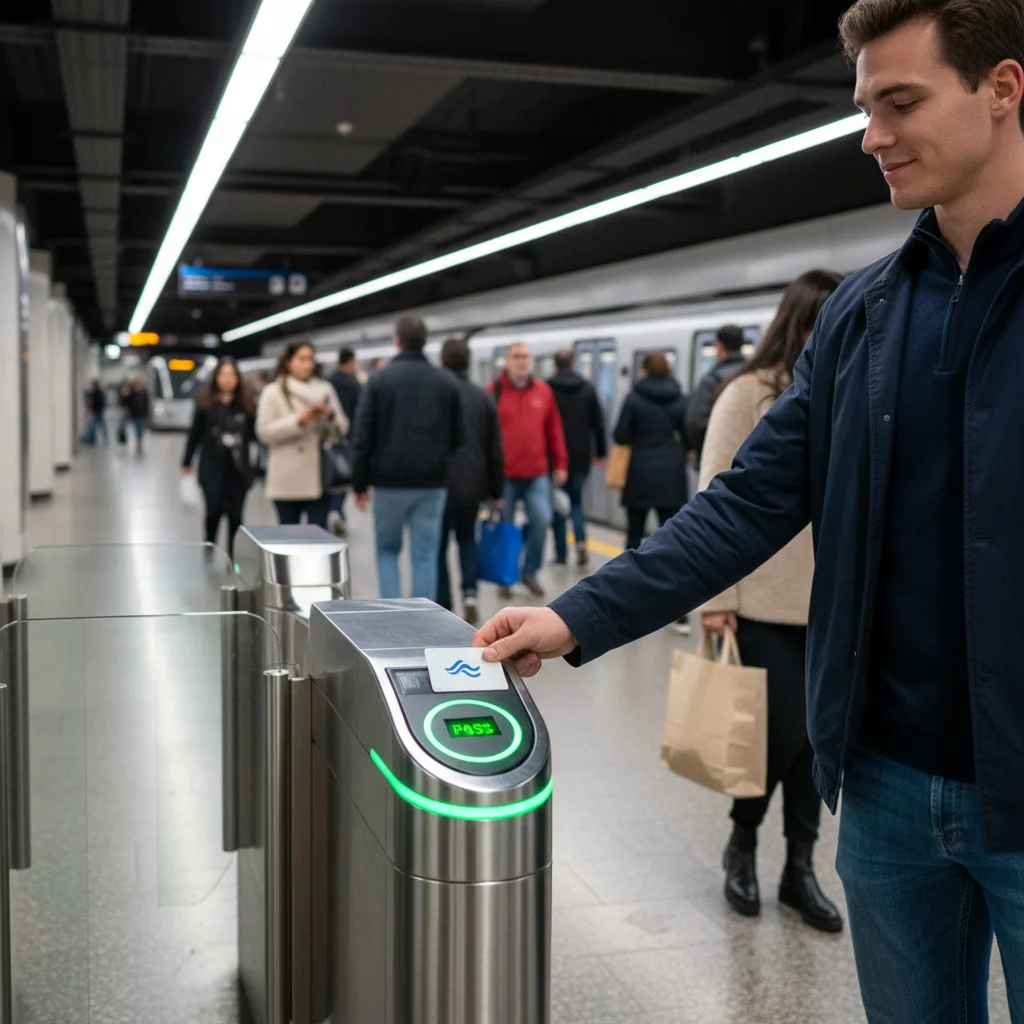
- Smart Cards/Rechargeable Cards: These often come with a slight discount per ride compared to cash fares and offer convenience.
Don’t just assume the most expensive pass is the best, nor that single tickets are always cheaper. Take the time to calculate your estimated rides over a week or month and compare the total cost of individual tickets versus the cost of various passes. This simple exercise can reveal significant public transport savings and ensure you’re not overpaying for your journeys. Many transit agencies have online fare calculators that can help you make an informed decision quickly and easily.
Leveraging Technology for Smarter, Cheaper Journeys
In today’s digital age, technology plays a pivotal role in enhancing public transport savings and overall travel efficiency. Smartphone apps have revolutionized how we navigate urban environments, providing real-time information that can save both time and money. These applications often offer features like live tracking of buses and trains, estimated arrival times, and interactive route planners. By knowing exactly when your next ride is coming, you can avoid unnecessary waiting times, plan your connections more effectively, and prevent missed transfers that might incur additional fares.
Many public transport apps also integrate fare information, allowing you to compare costs for different routes or modes of transport. Some even facilitate mobile ticketing, letting you purchase and store tickets directly on your phone. This eliminates the need for physical tickets or fumbling for cash, streamlining the boarding process. Furthermore, some apps alert you to service disruptions, delays, or alternative routes, enabling you to make quick adjustments to your travel plans and avoid costly detours or delays.
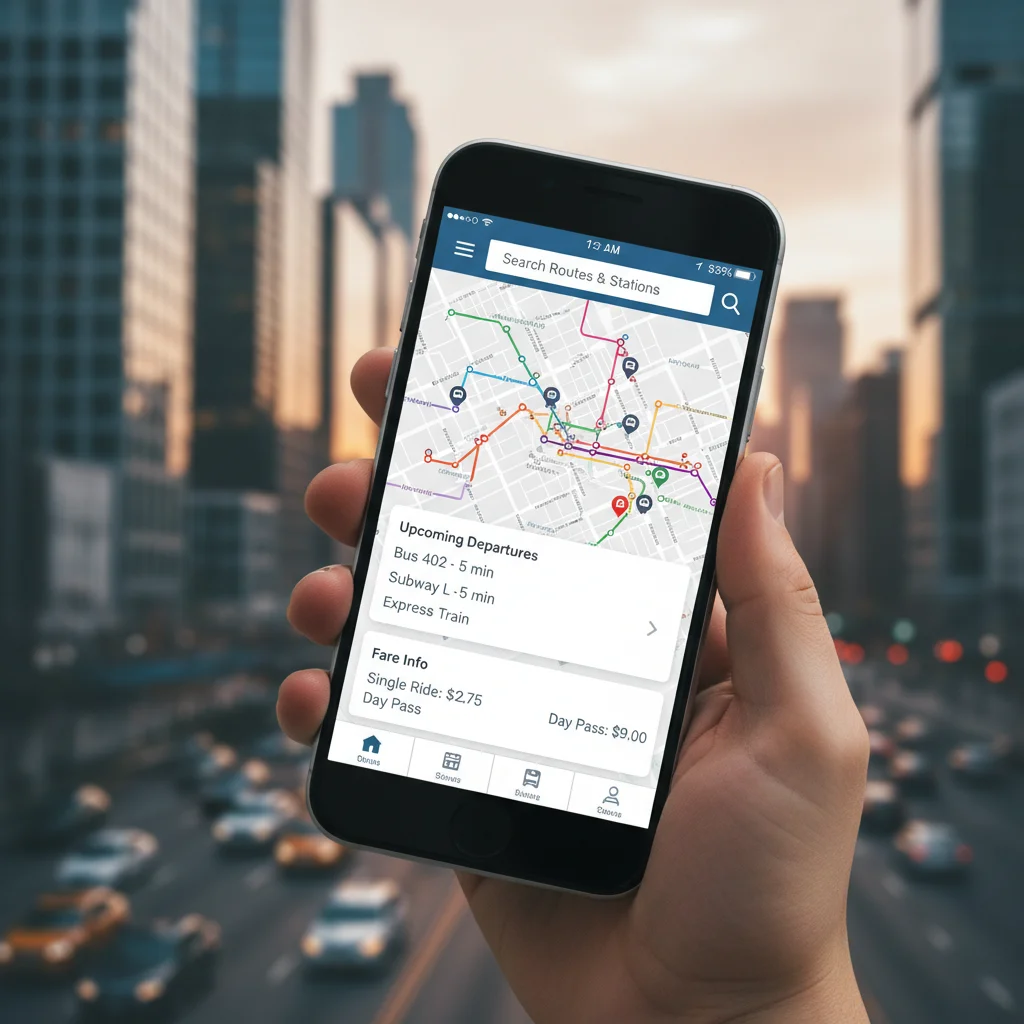
Beyond official transit apps, general mapping services like Google Maps or Apple Maps often include robust public transport options. These tools can suggest the most efficient routes, factoring in walking distances to stops, transfer times, and overall travel duration. They can even estimate the cost of your journey, helping you budget more effectively. By utilizing these technological aids, you can optimize your travel choices, ensuring you always take the most economical and timely path.
Embracing these digital tools not only contributes to significant public transport savings but also enhances the entire travel experience. They empower you with information, reducing stress and uncertainty associated with navigating unfamiliar routes or dealing with unexpected delays. A few minutes spent planning with an app can translate into substantial savings over time, making your daily commute or leisure travel much more pleasant and affordable.
Combining Public Transport with Walking and Cycling
Achieving maximum public transport savings often involves more than just choosing the right pass; it’s about integrating other sustainable modes of travel into your routine. Walking and cycling are excellent complements to public transport, particularly for the ‘first mile’ and ‘last mile’ of your journey. Instead of taking a short bus ride or a costly taxi for a few blocks, consider walking or cycling to your nearest public transport hub. This not only saves you money on additional fares but also offers numerous health benefits and reduces your carbon footprint.
Many cities are becoming increasingly bike-friendly, with dedicated lanes and bike-sharing programs. If your public transport system allows bicycles on board during off-peak hours, or if there are secure bike parking facilities at stations, cycling can extend your effective range significantly. Imagine cycling to a train station, taking the train for the bulk of your commute, and then cycling again from your destination station to your office. This multimodal approach can be surprisingly efficient and cost-effective, drastically cutting down on overall travel expenses.
Even for shorter distances, a brisk walk can be a refreshing alternative to a bus ride. Before automatically hopping on a vehicle, assess if the distance is walkable. Often, what seems like a long distance might only be a 15-20 minute walk, which is not only free but also a great way to incorporate physical activity into your day. These small changes in habit contribute significantly to public transport savings over time, as those short, seemingly inexpensive rides add up.
The synergy between public transport, walking, and cycling creates a powerful strategy for economical and sustainable travel. It reduces reliance on single modes of transport, offering flexibility and resilience in your daily commute. By consciously choosing to walk or cycle for parts of your journey, you not only save money but also contribute to a healthier lifestyle and a greener urban environment, making your overall travel experience more rewarding. This integrated approach is a cornerstone of smart urban mobility.
Exploring Off-Peak Travel and Special Programs
Optimizing your public transport savings often involves more than just daily pass selections; it also means being strategic about when you travel. Many public transport systems implement differential pricing based on demand, meaning fares are typically higher during peak hours (morning and evening rush hour) and lower during off-peak times. If your work schedule or travel needs allow for flexibility, shifting your travel times to off-peak periods can result in notable savings on individual tickets. This strategy is particularly effective for those who don’t rely on fixed monthly passes.
Beyond off-peak discounts, it’s worth investigating various special programs and initiatives offered by local transit authorities or government bodies. These can include anything from carpool incentives that offer discounted public transport fares for registered participants, to employer-sponsored commuter benefits programs. Many companies offer pre-tax deductions for public transport costs, effectively reducing your taxable income and increasing your take-home pay, while simultaneously funding your transit passes. This is a significant, often overlooked, benefit.
Another area to explore is loyalty programs or frequent traveler rewards. While less common than airline or hotel loyalty programs, some larger transit networks are beginning to introduce schemes that reward regular users with points or discounts. It’s always a good idea to check the official website of your local transit provider or inquire at customer service centers to see what special offers or programs might be available. These programs are designed to encourage public transport use and can significantly boost your public transport savings.
Furthermore, consider weekend or holiday passes if you frequently travel during these times. Often, these passes provide unlimited travel for a flat, reduced rate, making them an excellent value for leisure activities or visiting friends and family. By being informed about all available options and adapting your travel habits where possible, you can uncover a multitude of ways to reduce your ground travel expenses and make public transport an even more attractive and economical choice for all your journeys.
Frequently Asked Questions
How can I find out about public transport options in a new city?
Most cities have official public transport websites with detailed route maps, schedules, and fare information. Apps like Google Maps, Citymapper, or Moovit are also excellent for planning journeys and finding real-time updates.
Are monthly passes always the cheapest option for commuters?
Not always. While often cost-effective, it depends on your travel frequency. Calculate your estimated daily rides against the pass cost; if you travel less than the break-even point, single tickets or a multi-ride card might be cheaper.
Can I bring my bicycle on public transport?
Policies vary by city and transport type. Many systems allow bikes during off-peak hours or have designated bike cars on trains. Always check the specific rules of your local transit authority beforehand.
What are commuter benefits programs?
These are employer-sponsored programs that allow employees to pay for public transport passes or fares with pre-tax dollars, reducing their taxable income and saving them money on their commute.
How much can I realistically save by using public transport?
Savings vary greatly depending on individual circumstances, but many people report saving 20-40% on ground travel costs by reducing fuel, parking, and maintenance expenses associated with private vehicle ownership.
Official Resources
- Federal Transit Administration (FTA)
- Citymapper – Public Transport App
- Moovit – Public Transport App
- American Public Transportation Association (APTA)
- EPA – Commute Options
Conclusion
Embracing public transport offers a powerful pathway to significant public transport savings, transforming your daily commute and leisure travel into more affordable and sustainable experiences. By meticulously analyzing your current travel expenses, you can pinpoint exactly where public transport can replace costlier alternatives, potentially reducing your ground travel budget by up to 30% or even more. The strategic selection of passes, leveraging real-time information from technology, and intelligently combining public transport with walking and cycling are all crucial elements in this money-saving strategy.
Furthermore, staying informed about off-peak fares and special commuter programs can unlock additional, often overlooked, financial benefits. Beyond the direct monetary savings, choosing public transport contributes to reduced traffic congestion, lower carbon emissions, and often provides a less stressful travel experience. It’s a smart choice for your wallet, your well-being, and the environment. Start exploring the options available in your area today and take the first step towards smarter, more economical ground travel.
