Roadside Emergency Kit: Essential Gear for Every Traveler
Embarking on a road trip or even just a daily commute can be an adventure, but it’s crucial to be prepared for the unexpected. A well-assembled roadside emergency kit is not just a convenience; it’s a necessity that can transform a stressful breakdown into a manageable situation. Having the right tools and supplies on hand can ensure your safety and give you peace of mind, no matter where your travels take you.
This article will guide you through the essential components of a robust roadside emergency kit, focusing on four must-have items that every traveler should consider. From minor inconveniences to more serious predicaments, these items form the foundation of smart vehicle preparedness. Let’s delve into what makes a truly effective kit for any journey.
The Indispensable First-Aid Kit for Roadside Woes
No matter how short or long your journey, a comprehensive first-aid kit is arguably the most critical component of any roadside emergency kit. Accidents and injuries can happen anywhere, and being on the road often means you’re far from immediate medical assistance. A well-stocked kit allows you to address minor cuts, scrapes, burns, or more significant injuries until professional help arrives. It’s about being proactive in safeguarding your health and the health of your passengers.
Think about the common scenarios: a child scrapes a knee getting out of the car, you cut your finger while trying to fix something under the hood, or a passenger develops a sudden headache. These are all situations where a basic first-aid kit becomes invaluable. Beyond the immediate treatment of injuries, having a kit also provides a sense of security, knowing you’re equipped to handle small medical emergencies without panic. It’s a small investment that offers substantial returns in terms of safety and peace of mind.
When assembling your first-aid kit, consider items that address a wide range of potential issues. Don’t just throw in a few band-aids; think about pain relief, antiseptics, and tools for more serious situations. The goal is to have enough supplies to stabilize a situation before professional medical care can be accessed. Regular checks of your kit to ensure items aren’t expired and supplies are replenished are also vital for its effectiveness.
Key Contents for Your First-Aid Kit
- Adhesive Bandages: A variety of sizes for cuts and scrapes.
- Antiseptic Wipes and Ointment: To clean wounds and prevent infection.
- Pain Relievers: Aspirin, ibuprofen, or acetaminophen for headaches and minor aches.
- Gauze Pads and Medical Tape: For larger wounds or securing dressings.
- Disposable Gloves: To maintain hygiene when treating injuries.
Always ensure your kit is easily accessible, not buried under luggage, and that everyone in the car knows where it is located. An emergency is not the time to be searching frantically for supplies. A well-organized and clearly labeled first-aid kit is a testament to thoughtful preparation.
Jumper Cables: Your Lifeline for a Dead Battery
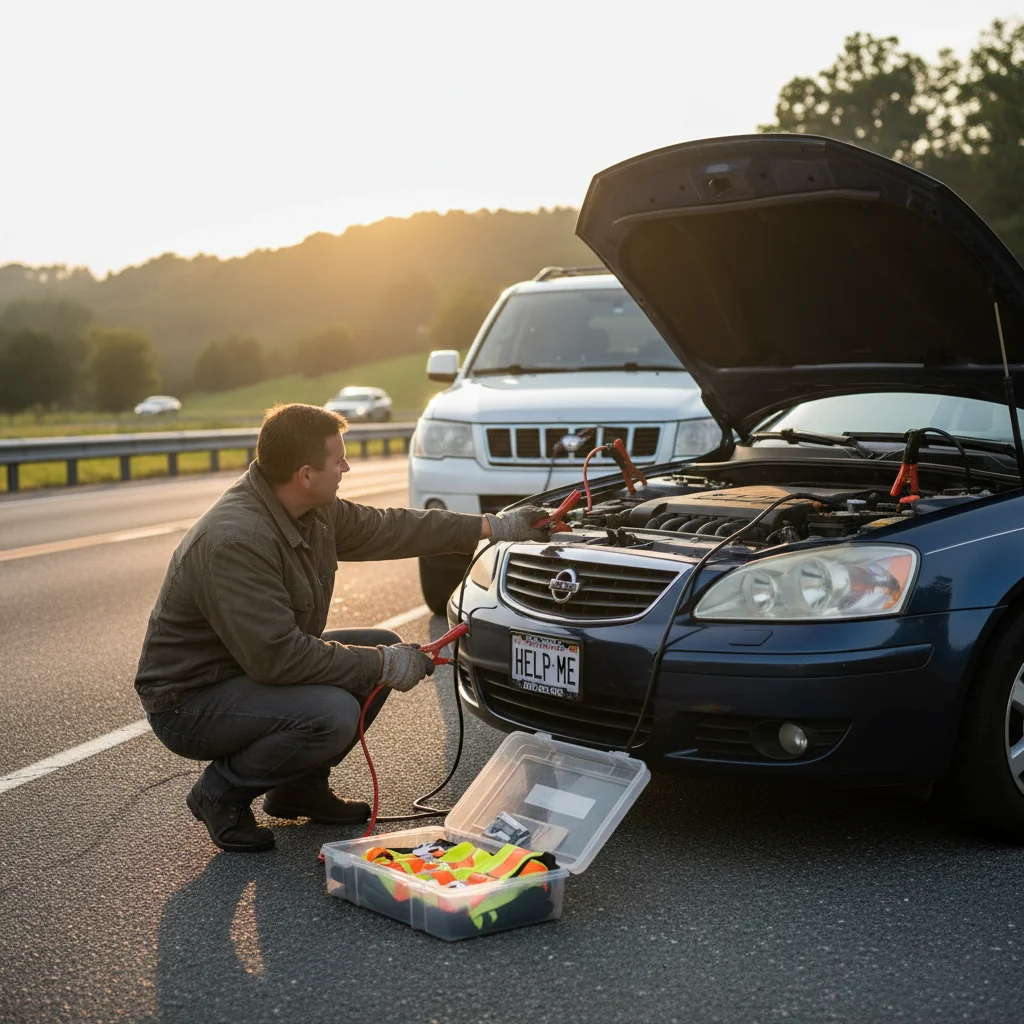
A dead car battery is one of the most common and frustrating roadside breakdowns, often striking at the most inconvenient times. Whether it’s leaving your lights on overnight, extreme weather conditions, or an aging battery, the inability to start your car can leave you stranded. This is precisely why a reliable set of jumper cables is an absolute non-negotiable item for any roadside emergency kit. They are your immediate solution, allowing you to get a jump start from another vehicle and continue your journey without significant delay or the need for a tow truck.
Not all jumper cables are created equal, and choosing the right pair can make a significant difference in their effectiveness and safety. Look for cables that are at least 10 to 20 feet long; this length provides flexibility and allows you to connect to another vehicle even if it can’t pull up directly alongside yours. The gauge of the cable is also important; lower gauge numbers (like 6 or 4-gauge) indicate thicker wires, which are better for conducting electricity and less prone to overheating, especially for larger vehicles or in cold weather. Investing in a good quality set ensures they will work when you need them most.
Knowing how to use jumper cables correctly is just as important as having them. Incorrect usage can lead to damage to your vehicle’s electrical system, or even personal injury. Always consult your vehicle’s owner’s manual for specific instructions, but generally, the process involves connecting the positive (red) cable to the positive terminal of the dead battery, then the other end of the positive cable to the positive terminal of the working battery. Next, connect the negative (black) cable to the negative terminal of the working battery, and finally, connect the other end of the negative cable to an unpainted metal surface on the engine block of the dead car, away from the battery. This creates a safe ground and minimizes spark risk. Understanding these steps can save you a lot of hassle and potential danger.
Practice makes perfect, or at least familiarization. If you’re unsure, watch a few instructional videos or ask an experienced friend to walk you through the process. Being confident in using your jumper cables can turn a stressful situation into a quick fix, getting you back on the road safely and swiftly.
Flashlight and Extra Batteries: Illuminating Your Way in the Dark
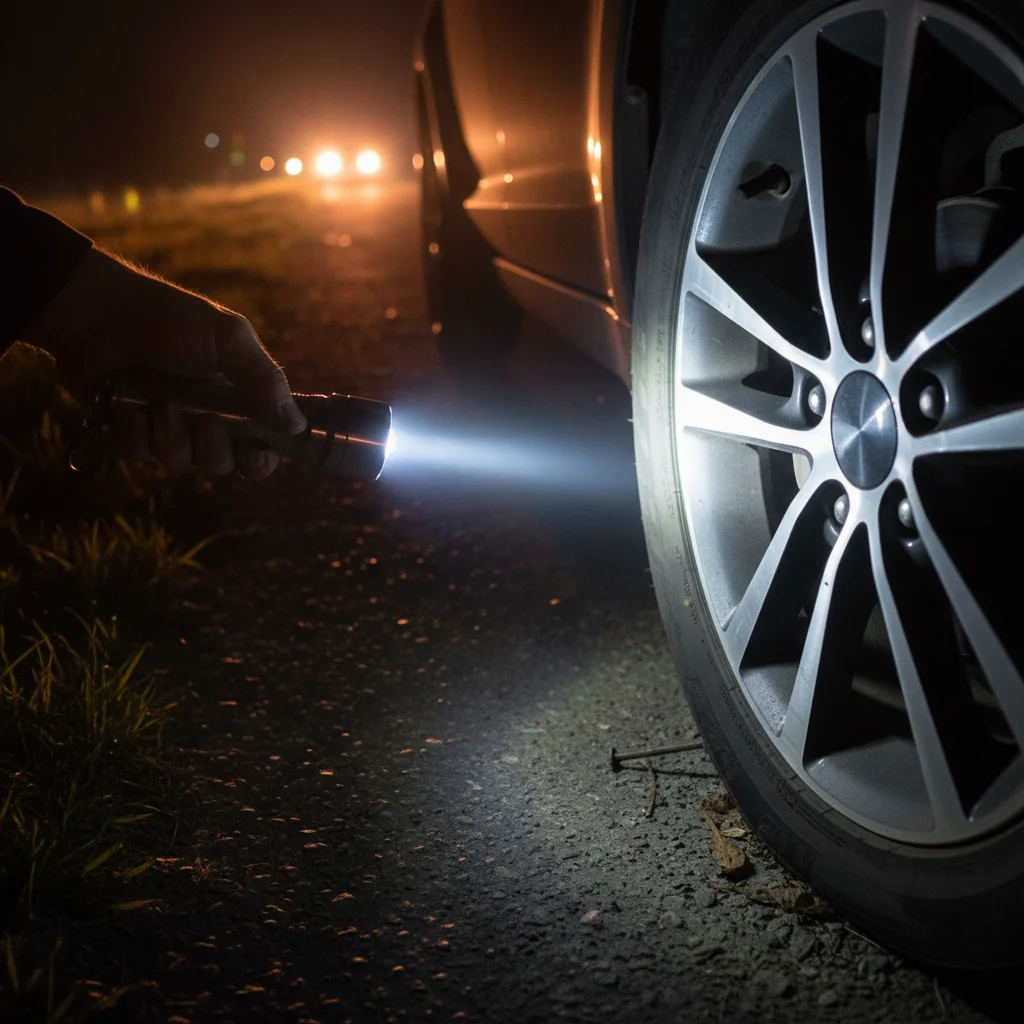
Imagine being stranded on a dark road at night, perhaps with a flat tire or an engine issue. Without proper illumination, even simple tasks become incredibly challenging and potentially dangerous. This is where a reliable flashlight, coupled with a fresh set of extra batteries, becomes an absolutely critical component of your roadside emergency kit. It’s not just for seeing; it’s for being seen, ensuring your safety and the safety of others on the road. A good flashlight can help you inspect your vehicle, read a map, or signal for help, making it an indispensable tool when daylight is scarce.
When selecting a flashlight for your kit, consider models that are durable, water-resistant, and offer a strong beam. LED flashlights are an excellent choice as they are energy-efficient, providing long-lasting illumination, and often come with various light modes, including a strobe for signaling. Headlamps are another fantastic option, as they free up both your hands for tasks like changing a tire or examining engine components. The key is to have a light source that is dependable and powerful enough for any nighttime roadside scenario you might encounter.
The importance of extra batteries cannot be overstated. A flashlight is only as useful as its power source, and dead batteries render even the best flashlight useless. Always keep a fresh, unopened set of batteries specifically for your emergency flashlight. It’s also a good practice to periodically check the batteries in the flashlight itself, replacing them every six months to a year, even if they haven’t been used, to ensure they don’t corrode or lose their charge over time. Store the batteries separately from the flashlight if possible to prevent accidental discharge or corrosion.
Beyond vehicle issues, a flashlight can be crucial for personal safety. If you need to walk to a nearby gas station or seek help, a bright light makes you visible to passing vehicles and helps you navigate unfamiliar terrain. It’s a simple item that provides a profound sense of security and utility in low-light conditions, solidifying its place as a must-have in your roadside emergency kit.
Reflective Triangles or Flares: Enhancing Visibility and Safety
When your vehicle breaks down on the side of the road, especially in low light or adverse weather conditions, visibility becomes a paramount concern. Other drivers might not see your disabled vehicle until it’s too late, leading to dangerous situations. This is where reflective triangles or emergency flares become absolutely essential items in your roadside emergency kit. They serve as a crucial warning signal to approaching traffic, giving drivers ample time to react, slow down, and safely maneuver around your vehicle, thereby significantly reducing the risk of a secondary accident.
Reflective triangles are typically foldable and come in a compact case, making them easy to store. When deployed, they are placed at specific distances behind your vehicle to create a visual warning zone. Flares, on the other hand, provide active light, which can be particularly effective in dense fog, heavy rain, or complete darkness. Both options are designed to catch the attention of other motorists and indicate that there is a hazard ahead. While traditional flares burn out, modern LED flares offer a reusable, safer alternative, often with multiple flashing patterns and magnetic bases for easy attachment to your vehicle.
Understanding how to properly deploy these warning devices is crucial for maximizing their effectiveness. For reflective triangles, the general recommendation is to place them 10 feet, 100 feet, and 200 feet behind your vehicle, creating a progressively earlier warning for approaching traffic. If you’re on a curve, place them strategically to ensure they are visible as soon as possible. For flares, similar distances apply, but always use caution when deploying traditional pyrotechnic flares due to fire risk, especially near dry vegetation or spilled fuel. LED flares eliminate this risk and can be placed closer to your vehicle if space is limited.
Investing in high-quality reflective triangles or LED flares is a small price to pay for the enhanced safety they provide. They are not just about protecting your vehicle; they are about protecting yourself and your passengers from the unpredictable dangers of roadside breakdowns. Always ensure these items are easily accessible in your trunk, so you can deploy them quickly and efficiently when an emergency strikes, making your stranded vehicle visible to all.
Toolkit for Minor Repairs and Tire Changes
Beyond the immediate safety and medical needs, being able to perform minor repairs or change a tire can prevent a significant delay or the need for costly towing services. A basic toolkit tailored for automotive emergencies is an invaluable addition to any roadside emergency kit. While modern cars come with some basic tools, often they are insufficient for anything beyond the most rudimentary tasks. Having a more comprehensive set empowers you to tackle common issues like a flat tire, a loose battery terminal, or even a minor engine adjustment, giving you greater independence on the road.
A well-curated toolkit doesn’t need to be extensive, but it should contain items that address the most frequent roadside problems. Think about what you might need if you encounter a flat tire – a lug wrench that fits your car’s lug nuts, a jack (if your car’s original one is flimsy or missing), and perhaps a tire pressure gauge. For other minor issues, a set of screwdrivers, pliers, and an adjustable wrench can be incredibly useful. These tools allow you to tighten loose components, snip wires, or troubleshoot simple mechanical problems without waiting for professional assistance.
Consider adding a multi-tool to your kit, which combines several functions into one compact device, saving space and providing versatility. Gloves are also a wise inclusion, protecting your hands from grease, dirt, and potential injuries while working on your vehicle. A roll of duct tape or electrical tape can also be surprisingly effective for temporary fixes, holding loose parts together or insulating exposed wires until you can get to a service station. These small additions can make a huge difference in an emergency.
Familiarize yourself with the tools in your kit and how to use them. Knowing how to change a tire before you get a flat, for instance, can drastically reduce stress and time spent on the roadside. Regular maintenance of your toolkit, ensuring all components are present and in good working order, is also crucial. A well-prepared toolkit allows you to handle many common vehicle issues independently, saving you time, money, and stress during unexpected roadside events. This proactive approach ensures your journey remains as smooth and safe as possible.
Frequently Asked Questions
What is the most important item in a roadside emergency kit?
While all items are crucial, a well-stocked first-aid kit is arguably the most important. It addresses immediate health and injury concerns, which can be critical in any emergency situation on the road.
How often should I check my roadside emergency kit?
It’s recommended to check your kit at least twice a year, perhaps when you change your clocks for daylight saving time. This ensures all items are present, not expired, and batteries are fresh.
Can I build my own roadside emergency kit, or should I buy a pre-made one?
You can certainly build your own kit, tailoring it to your specific needs and vehicle. Pre-made kits offer convenience but may lack certain specialized items you prefer to include.
Are tire repair kits a good substitute for a spare tire?
Tire repair kits are good for temporary fixes for small punctures, but they are not a substitute for a full-sized or even a temporary spare tire, especially for larger damage or blowouts.
What kind of flashlight is best for a roadside emergency kit?
An LED flashlight or headlamp is ideal due to its long battery life, bright illumination, and durability. Headlamps are particularly useful as they allow for hands-free operation.
Official Resources
- National Highway Traffic Safety Administration (NHTSA) – Car Safety Features
- American Red Cross – Car Safety
- AAA – Car Battery Basics
- Federal Motor Carrier Safety Administration (FMCSA) – Roadside Inspections
Conclusion
Preparing for the unexpected on the road is not about anticipating every possible scenario, but rather about equipping yourself with the fundamental tools and knowledge to handle common emergencies. A thoughtfully assembled roadside emergency kit, featuring a robust first-aid kit, reliable jumper cables, a powerful flashlight with extra batteries, and effective reflective warning devices, forms the cornerstone of responsible vehicle ownership. These four must-have items, complemented by a basic toolkit, provide a comprehensive safety net that can turn a potentially dangerous or highly stressful situation into a manageable inconvenience.
By investing a little time and effort into curating your kit and familiarizing yourself with its contents, you’re not just buying supplies; you’re investing in your own safety and peace of mind. Every journey, whether a short commute or an epic road trip, carries an element of unpredictability. Being prepared means you can face those challenges with confidence, knowing you have the means to protect yourself and your loved ones. Don’t wait until an emergency strikes; take action today to build and maintain your essential roadside emergency kit, ensuring a safer and smoother experience wherever the road may lead.
