Discover Serene National Monuments: Beyond the Crowds
When planning a trip to explore America’s rich history and stunning natural beauty, many people think of the well-known national parks and monuments. However, for those seeking a more tranquil and reflective experience, there are many serene national monuments that offer profound historical insight without the bustling crowds. These lesser-known treasures provide a unique opportunity to connect with the past and nature in a peaceful setting, allowing for deeper appreciation and personal discovery.
Embracing the Quiet at Effigy Mounds National Monument
Effigy Mounds National Monument, located in northeastern Iowa, offers visitors a profound glimpse into the ancient cultures of North America. This sacred site preserves over 200 earthen mounds, many shaped like animals, built by Native Americans between 700 and 1,300 years ago. Walking the quiet trails here allows for a truly reflective experience, far from the typical tourist rush. The monument’s serene atmosphere encourages contemplation of the sophisticated societies that once thrived in this region.
The park rangers and interpretive signs provide excellent context, explaining the spiritual significance and construction techniques of these remarkable earthworks. It’s a place where history speaks softly through the ancient landscape, inviting visitors to listen and learn. Unlike some of the larger, more frequented national sites, Effigy Mounds offers a personal connection to the past, making it an ideal destination for those seeking both peace and historical depth.
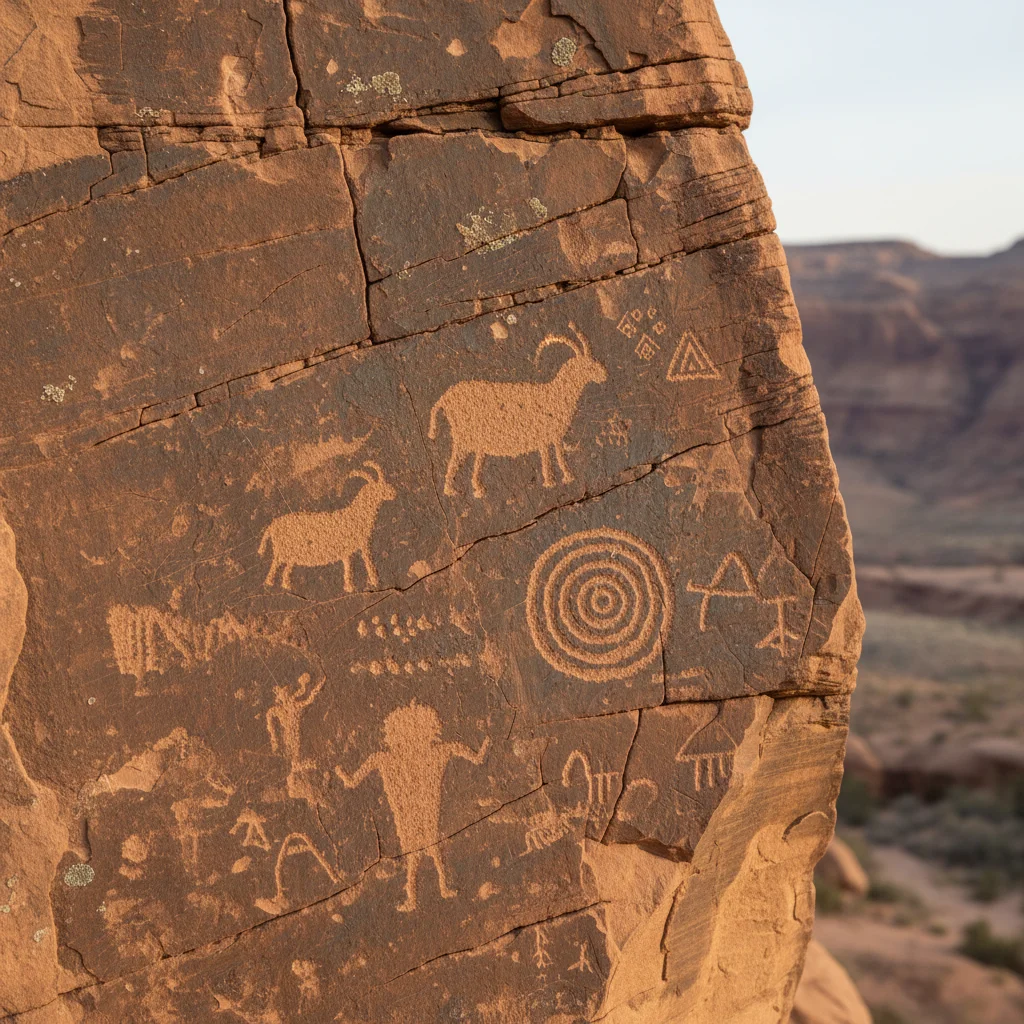
Exploring the Ancient Pueblo at Hovenweep National Monument
Hovenweep National Monument, spread across the remote canyons and mesas of the Utah-Colorado border, protects six prehistoric Puebloan villages. These ancient structures, including multi-story towers, were built by ancestral Puebloans around 1200 A.D. and offer a fascinating look into their advanced architectural skills and astronomical knowledge. The isolation of Hovenweep ensures a quiet visit, allowing for an undisturbed exploration of these impressive ruins and the stark, beautiful landscape.
Visitors can hike various trails to discover the different village sites, each with unique features and stories. The quietude of the desert amplifies the sense of stepping back in time, providing a powerful connection to the people who once called this challenging environment home. Hovenweep is a testament to human ingenuity and resilience, presented in a setting that promotes calm and focused observation. It’s truly one of the serene national monuments that captivate with both history and solitude.
The Petrified Forest at Florissant Fossil Beds National Monument
Florissant Fossil Beds National Monument in Colorado is a scientific treasure trove, preserving an ancient ecosystem from approximately 34 million years ago. Here, visitors can marvel at massive petrified redwood tree stumps and incredibly detailed fossils of insects and plants. The quiet trails wind through meadows and forests, offering a peaceful environment to ponder deep time and the dramatic changes our planet has undergone. This monument provides a unique blend of natural history and serene beauty.
The visitor center offers engaging exhibits that explain how volcanic eruptions led to the exceptional preservation of these fossils. Guided walks often reveal hidden details and bring the ancient world to life. The relative seclusion of Florissant means you can often enjoy the trails and exhibits without large crowds, making it perfect for a contemplative educational outing. It’s a fantastic example of a national monument that combines scientific wonder with a tranquil setting.
Reflecting at Tule Lake Unit, World War II Valor in the Pacific National Monument
The Tule Lake Unit, part of the World War II Valor in the Pacific National Monument in northern California, serves as a poignant reminder of a difficult chapter in American history. This site preserves the remnants of a War Relocation Authority camp and a segregation center where Japanese Americans were unjustly incarcerated during World War II. Visiting Tule Lake offers a solemn and reflective experience, providing crucial historical insight into civil liberties and human rights.
The quiet, windswept landscape allows for a powerful contemplation of the injustices faced by thousands of American citizens. Interpretive panels and occasional ranger-led tours help visitors understand the personal stories and broader implications of the internment. It’s a place of remembrance and education, fostering a deep understanding of the past in a respectful and uncrowded environment. Tule Lake stands out among serene national monuments for its profound educational value.
The Architectural Marvels of Casa Grande Ruins National Monument
Casa Grande Ruins National Monument in Arizona protects a unique four-story ‘Great House’ and other structures built by the Ancestral Sonoran Desert People over 700 years ago. This monument, one of the oldest protected archaeological sites in the United States, offers a fascinating look into the advanced agricultural and architectural practices of these ancient inhabitants. The relatively small size and focused nature of the site contribute to a peaceful and intimate visitor experience.
Visitors can walk around the impressive ‘Great House’ and explore the surrounding compound, learning about the sophisticated canal systems and astronomical alignments used by its builders. The quiet desert setting enhances the sense of discovery and appreciation for this ancient marvel. Rangers are often on hand to share insights and answer questions, making the visit even more enriching. Casa Grande is an excellent choice for those seeking serene national monuments with significant archaeological importance.
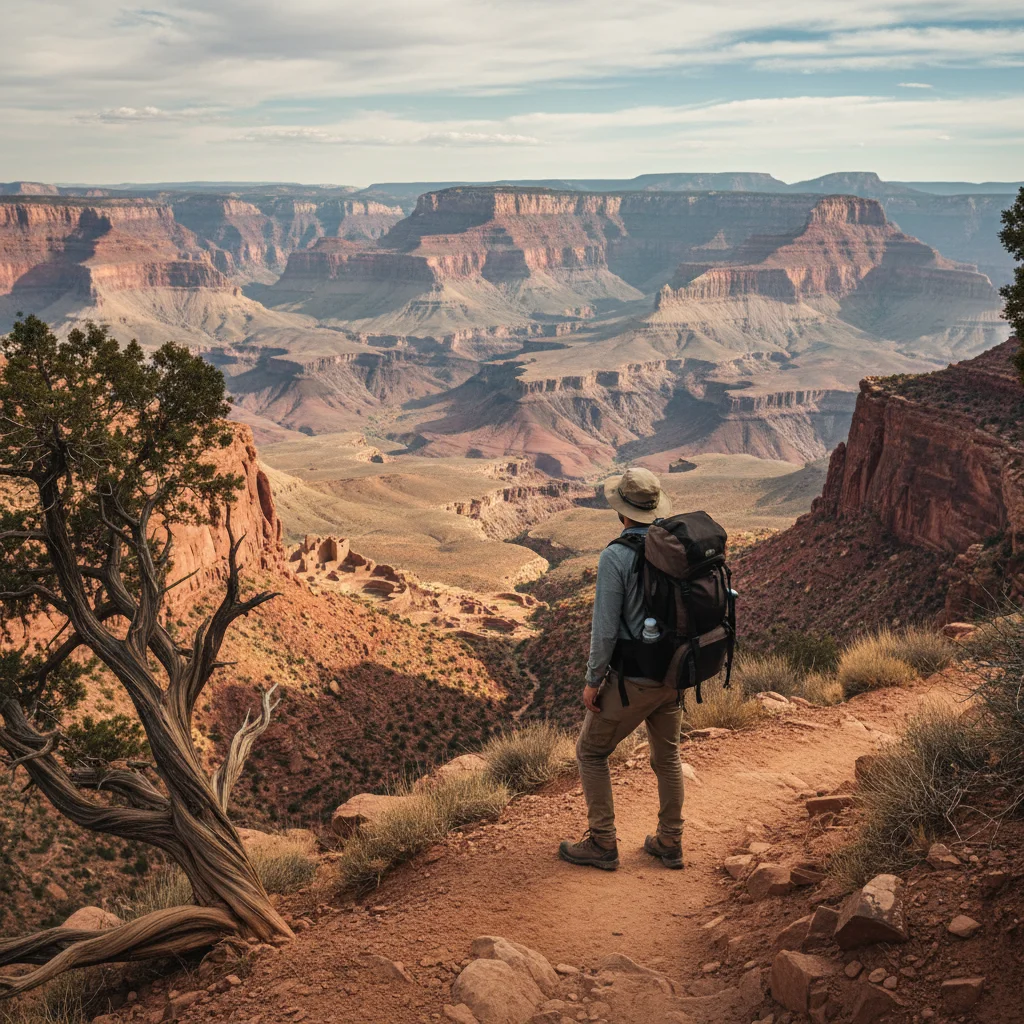
Frequently Asked Questions
What makes these national monuments less crowded?
Many of these sites are less frequented due to their remote locations, smaller size compared to national parks, or specialized historical focus. This often results in a more intimate and peaceful visitor experience.
Are these monuments suitable for families with children?
Absolutely! While quieter, many offer engaging interpretive programs and easy trails suitable for all ages. They provide excellent educational opportunities for children to learn about history and nature without the distractions of large crowds.
Do I need to make reservations to visit these serene national monuments?
Generally, reservations are not required for most of these smaller national monuments. However, it’s always wise to check the official park website before your visit, especially for any special events or seasonal closures.
What should I bring when visiting these less-traveled sites?
Always bring plenty of water, especially in desert environments. Comfortable walking shoes, sun protection, and a camera are also recommended. Pack a picnic to enjoy the tranquility, as dining options might be limited nearby.
How can I find more serene national monuments?
Exploring the National Park Service website is a great starting point. Look for monuments that are less publicized or have a specific historical focus, as these often provide a quieter experience. Local tourism boards can also offer valuable insights.
Official Resources
- Effigy Mounds National Monument Official Website
- Hovenweep National Monument Official Website
- Florissant Fossil Beds National Monument Official Website
- Tule Lake Unit, World War II Valor in the Pacific National Monument Official Website
- Casa Grande Ruins National Monument Official Website
Conclusion
Venturing beyond the well-trodden paths to discover serene national monuments offers a uniquely rewarding travel experience. These sites, rich in history and natural beauty, provide a tranquil escape from the everyday hustle. Places like Effigy Mounds, Hovenweep, Florissant Fossil Beds, Tule Lake, and Casa Grande Ruins invite visitors to engage with the past on a deeper, more personal level. They serve as quiet classrooms and reflective spaces, allowing for an appreciation of the diverse narratives that shape our nation.
Choosing to explore these less-crowded destinations not only provides a peaceful journey but also supports the preservation of these invaluable cultural and natural treasures. By seeking out these hidden gems, you contribute to their continued protection and ensure that future generations can also experience their profound beauty and historical significance. Plan your next adventure to one of these magnificent, serene national monuments and discover the peace and insight awaiting you.
