Desert Dreams: Unveiling Southwest Landscapes
Anúncios
The American Southwest is a region of astonishing beauty, a place where the earth itself seems to tell ancient stories through its dramatic formations and vibrant colors. For anyone seeking a truly unique adventure, exploring the diverse Southwest landscapes is an absolute must. These desert dreams offer more than just stunning views; they provide an opportunity to connect with nature on a profound level, to witness geological artistry sculpted over millions of years by wind, water, and time.
From the towering red rock canyons to the vast, open expanses dotted with iconic buttes, the Southwest presents an array of natural wonders. This article will guide you through three distinct and unforgettable landscapes, each offering its own special charm and a plethora of activities for every kind of traveler. Prepare to be inspired by the raw power and serene beauty that define this incredible corner of the world, where every vista promises a postcard-perfect memory.
Anúncios
Zion National Park: A Verdant Oasis Amidst Towering Sandstone
Zion National Park, located in southwestern Utah, is a jewel among the American Southwest landscapes, renowned for its massive sandstone cliffs of cream, pink, and red that soar into the sky. Unlike many arid desert parks, Zion is characterized by its lush, green river valley carved by the Virgin River. This river is the lifeblood of the park, creating a vibrant ecosystem that supports diverse plant and animal life, making it a truly unique desert oasis. The park’s dramatic vertical topography offers breathtaking views and challenging adventures, drawing millions of visitors each year who come to hike, climb, and simply marvel at its grandeur.
Visitors to Zion can experience a wide range of activities. From leisurely strolls along paved paths to strenuous, multi-day backpacking trips, there’s something for every fitness level. The scenic drive through the park provides easy access to many viewpoints and trailheads, allowing for quick stops to admire the scenery. However, to truly appreciate Zion’s majesty, getting out on the trails is essential. The park’s unique geology, with its deep canyons and hanging gardens, creates a sense of awe and wonder that stays with you long after your visit. Planning ahead, especially for popular trails, is crucial to ensure a smooth and enjoyable experience in this magnificent part of the Southwest.
Anúncios
Iconic Trails and Experiences
- Angels Landing: A world-famous, strenuous hike offering unparalleled panoramic views, requiring a permit due to its popularity and exposed sections.
- The Narrows: A unique water hike through the Virgin River, where canyon walls rise thousands of feet above. Special gear like canyoneering shoes are recommended.
- Emerald Pools Trail: A more moderate hike leading to lush hanging gardens and cascading waterfalls, offering a refreshing contrast to the arid surroundings.
- Canyon Overlook Trail: A relatively short and rewarding hike providing stunning views of Zion Canyon and the Zion-Mount Carmel Highway.
Antelope Canyon: The Sculpted Beauty of Light and Stone
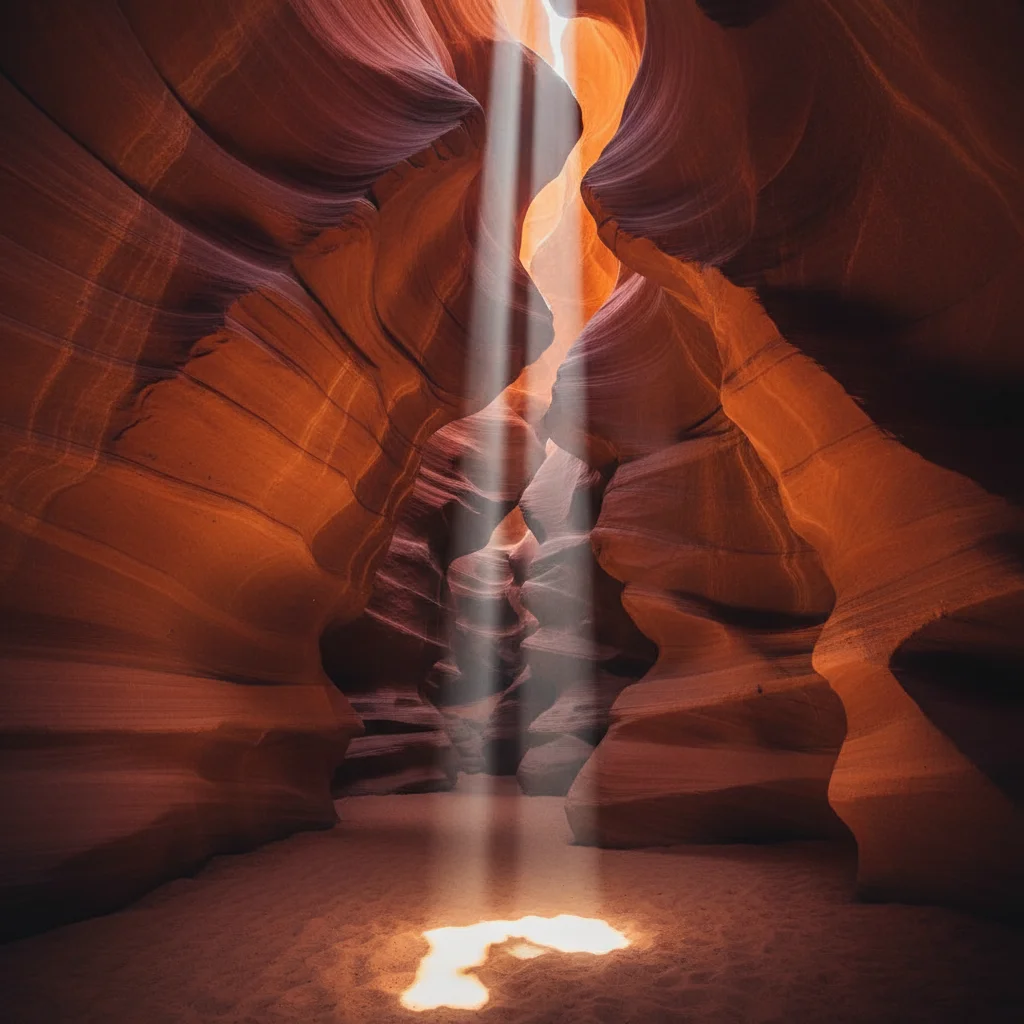
Antelope Canyon, situated on Navajo land near Page, Arizona, offers an otherworldly experience unlike any other in the Southwest landscapes. This slot canyon is famous for its wave-like sandstone formations, carved over millennia by flash floods and wind erosion. The canyon’s narrow passages and towering, smooth walls create an ethereal environment where light plays a crucial role, transforming the colors of the rock from deep reds and oranges to soft purples and blues. It’s a photographer’s dream and a natural wonder that captivates every visitor with its intricate beauty and the sheer artistry of nature.
Access to Antelope Canyon is strictly limited to guided tours led by authorized Navajo guides, a policy that helps preserve its delicate environment and ensures visitor safety. There are two main sections: Upper Antelope Canyon and Lower Antelope Canyon. Upper Antelope is wider and easier to navigate, known for its famous light beams that penetrate the canyon floor during midday in warmer months. Lower Antelope is narrower, requiring more climbing over ladders and steps, but offers equally stunning and often more intricate formations. Regardless of which section you choose, the experience of walking through these sculpted corridors of light and shadow is truly unforgettable, highlighting the unique geological wonders of the American Southwest.
Monument Valley: The Quintessential Western Icon
Monument Valley Navajo Tribal Park, straddling the Arizona-Utah border, is perhaps the most iconic of all Southwest landscapes, instantly recognizable from countless Western films and advertisements. Its majestic sandstone buttes and mesas, rising dramatically from the flat desert floor, create a landscape that feels both ancient and timeless. These colossal formations, some reaching 1,000 feet above the valley floor, are remnants of eroded rock layers, sculpted over millions of years into their distinctive shapes. The sheer scale and raw beauty of Monument Valley evoke a deep sense of wonder and respect for the natural world and the rich cultural heritage of the Navajo Nation.
Visiting Monument Valley offers a profound cultural and scenic experience. The park is managed by the Navajo Nation, and a significant portion of its charm comes from understanding its importance to the Navajo people. Visitors can drive the 17-mile scenic loop, a dirt road that winds past many of the famous formations, offering numerous pull-offs for photography and contemplation. Guided tours, often led by Navajo guides, provide deeper insights into the geology, history, and culture of the area, allowing access to areas not permitted on self-guided tours. This immersive experience truly showcases the grandeur and spiritual significance of this incredible part of the American Southwest.
Grand Canyon National Park: An Unfathomable Chasm
The Grand Canyon, a UNESCO World Heritage site in Arizona, is arguably the most famous of all Southwest landscapes and one of the world’s most spectacular natural wonders. Carved by the Colorado River over millions of years, this immense chasm stretches 277 miles long, up to 18 miles wide, and plunges over a mile deep. Its sheer scale is almost incomprehensible, offering a breathtaking panorama of colorful rock layers that record billions of years of geological history. The changing light throughout the day casts dynamic shadows and highlights, transforming the canyon’s appearance and revealing new depths and textures with every passing hour.
Experiencing the Grand Canyon is a bucket-list item for many, and for good reason. Most visitors head to the South Rim, which is open year-round and offers numerous viewpoints, visitor centers, and well-maintained trails. Popular activities include hiking along the rim, descending into the canyon on trails like Bright Angel or Kaibab, or taking a scenic helicopter tour for an aerial perspective. The North Rim, open seasonally, offers a more secluded experience with different views. Regardless of how you choose to explore, the Grand Canyon’s vastness and intricate beauty leave an indelible impression, solidifying its place as a truly awe-inspiring destination within the Southwest. Remember to plan for varying weather conditions and bring plenty of water, especially if hiking.
Sedona: Red Rock Splendor and Spiritual Vortexes
Sedona, Arizona, is renowned for its stunning red rock formations that glow with an almost mystical intensity, especially during sunrise and sunset. These iconic geological features, sculpted by erosion from an ancient seabed, create a dramatic backdrop for a town celebrated for its natural beauty and spiritual energy. Sedona is not just a visual feast; it’s also considered a hub for spiritual seekers, drawn by its purported energy vortexes. This unique combination of breathtaking Southwest landscapes and a vibrant wellness community makes Sedona a distinct and captivating destination, offering a different kind of desert dream compared to the vastness of the Grand Canyon or the slot canyons of Antelope.
Beyond its spiritual allure, Sedona offers an abundance of outdoor activities for all ages and interests. Hiking and mountain biking trails wind through the red rocks, providing opportunities to explore hidden canyons, scenic overlooks, and ancient ruins. Popular trails like Devil’s Bridge and Cathedral Rock offer challenging climbs with incredible rewards, while more leisurely paths cater to those seeking a gentle stroll. Art galleries, spas, and a diverse culinary scene complement the natural attractions, making Sedona a well-rounded destination. Whether you’re seeking adventure, relaxation, or spiritual rejuvenation, Sedona’s enchanting red rock country provides an unforgettable experience in the heart of the American Southwest.
Frequently Asked Questions
What is the best time of year to visit the American Southwest?
Generally, spring (March to May) and fall (September to November) offer the most pleasant weather for exploring Southwest landscapes, with mild temperatures and fewer crowds than the summer peak. Summers can be extremely hot, especially in lower elevations.
Do I need a special pass to enter national parks in the Southwest?
Yes, most national parks in the Southwest require an entrance fee. You can purchase individual park passes, or consider the America the Beautiful Pass if you plan to visit multiple parks, which covers entrance fees for a year.
Are there accommodations available inside the national parks?
Many national parks, including Zion and Grand Canyon, offer lodging options ranging from campgrounds to historic lodges. These often book up far in advance, so early reservations are highly recommended, sometimes up to a year in advance.
What should I pack for a trip to the Southwest?
Essential items include plenty of water, sun protection (hat, sunscreen, sunglasses), comfortable hiking shoes, layers of clothing for fluctuating temperatures, and a first-aid kit. Depending on the season, rain gear might also be advisable.
Is it safe to hike alone in these desert areas?
While many trails are popular, it’s always wise to inform someone of your hiking plans, carry a map and compass or GPS device, and be aware of weather conditions. Solo hiking is generally safe on well-trafficked trails, but preparedness is key in remote areas.
Official Resources
- Zion National Park Official Website
- Monument Valley Navajo Tribal Park Official Website
- Grand Canyon National Park Official Website
- Visit Sedona Official Tourism Site
- America the Beautiful Pass
Conclusion
The American Southwest truly lives up to its reputation as a land of desert dreams, offering an incredible variety of landscapes that captivate the imagination and stir the soul. From the soaring sandstone cliffs and verdant valleys of Zion National Park to the intricately carved slot canyons of Antelope, the iconic buttes of Monument Valley, the unfathomable depths of the Grand Canyon, and the spiritual red rock formations of Sedona, each destination provides a unique window into the Earth’s geological artistry and the enduring power of nature. These Southwest landscapes are more than just beautiful places; they are living testaments to millions of years of natural processes, inviting us to explore, reflect, and find adventure.
Whether you’re an avid hiker, a photography enthusiast, a spiritual seeker, or simply someone looking to witness unparalleled natural beauty, the Southwest has something extraordinary to offer. Planning your journey to these magnificent locations will undoubtedly create memories that last a lifetime. Remember to respect the environment, support local communities, and prepare adequately for the unique conditions of the desert. Embark on your own Southwest adventure and discover the magic that awaits in these truly remarkable and unforgettable landscapes.
