Sustainable Camping: Reduce Your Environmental Impact
Embracing the outdoors through sustainable camping practices allows us to enjoy nature’s beauty while protecting it for future generations. Reducing your environmental impact by 25% or more is an achievable goal, and it starts with mindful choices before, during, and after your trip. By adopting a few key habits, you can significantly lessen your footprint and become a better steward of our precious wild spaces.
Many people love camping for the escape it offers, the chance to disconnect from daily life and reconnect with the natural world. However, this connection comes with a responsibility. Unintentional damage can occur through littering, improper waste disposal, disturbing wildlife, and damaging vegetation. Thankfully, simple shifts in how we approach our camping adventures can make a world of difference, turning every outing into an act of conservation.
Plan Ahead and Prepare Thoughtfully
Before you even leave your home, thoughtful planning is the cornerstone of sustainable camping practices. This initial step sets the stage for a low-impact trip, ensuring you have the right gear, enough supplies, and a clear understanding of the area you’ll be visiting. Researching your destination’s specific rules and regulations regarding campfires, waste disposal, and wildlife interactions is crucial. Knowing what to expect helps prevent unforeseen issues and minimizes the need for last-minute, potentially unsustainable, decisions.
Consider the type of food you’ll bring. Opt for meals with minimal packaging to reduce waste. Repackage items into reusable containers or bags at home. This not only cuts down on trash but also makes packing and organizing your food much more efficient. Think about your water supply as well; carrying a water filter or purification tablets can eliminate the need for single-use plastic water bottles, which are a major source of waste in outdoor environments. A well-planned trip means less improvisation and a greater chance of adhering to Leave No Trace principles throughout your adventure.
Your gear choices also play a role in sustainability. Investing in durable, high-quality equipment that will last for many seasons reduces consumption and waste. While it might seem like a larger upfront cost, it’s more eco-friendly than constantly replacing cheaper items. Additionally, check the weather forecast to pack appropriate clothing and shelter, avoiding unnecessary items that just add weight and potential clutter. A streamlined packing list directly contributes to a lighter footprint.
Dispose of Waste Properly and Pack It Out
One of the most visible and impactful sustainable camping practices is proper waste management. The mantra “Pack it in, pack it out” is fundamental to protecting natural areas. This means everything you bring into the wilderness, including all trash, food scraps, and even hygiene products, must leave with you. Leaving anything behind, no matter how small or seemingly biodegradable, can have negative consequences for the environment and wildlife.
Food scraps, for instance, don’t break down as quickly as many people assume, especially in diverse ecosystems. They can attract animals, alter their natural diets, and lead to dependency on human food sources, which is detrimental to their health and behavior. Even fruit peels and core can take years to decompose and are not natural to many environments. Always carry a dedicated trash bag (or several) that you can seal tightly to prevent odors and spills. It’s a good idea to separate recyclables if facilities are available near your camping area, but otherwise, all waste should be packed out and disposed of properly at home or designated waste stations.
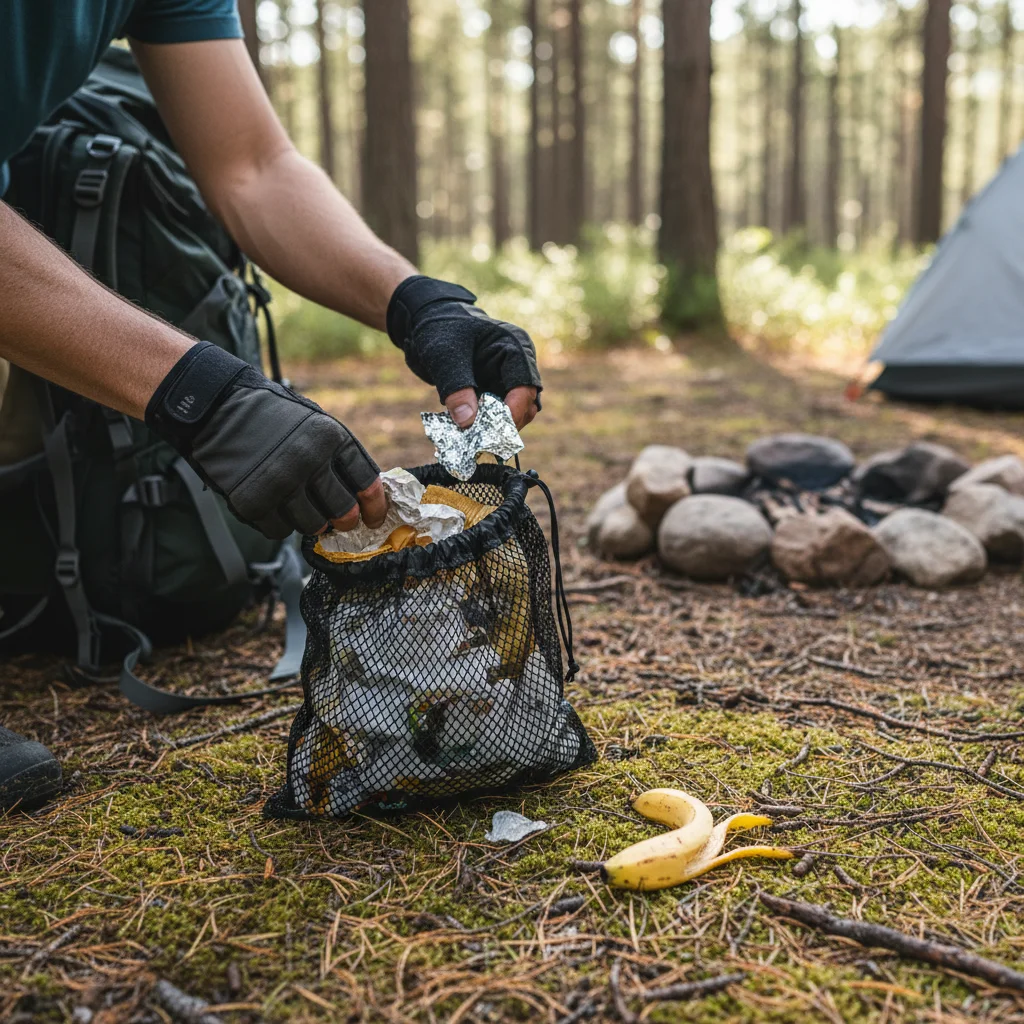
Human waste also requires careful consideration. Away from established restrooms, dig a cathole 6-8 inches deep and at least 200 feet (about 70 steps) from water, trails, and campsites. Bury the waste and pack out all toilet paper. For dishwashing, use biodegradable soap sparingly and dispose of greywater (water used for washing) by scattering it at least 200 feet from water sources. This disperses nutrients and allows soil to filter it naturally, preventing concentration in one spot and potential water contamination.
Minimize Campfire Impact
Campfires are a beloved part of the camping experience, but they can also be a source of significant environmental damage if not managed responsibly. Minimizing campfire impact is a crucial sustainable camping practice. The first rule is to know before you go: check for fire restrictions or bans in your chosen area. Many regions experience dry conditions that make fires extremely dangerous, and a single spark can devastate vast landscapes.
When fires are permitted, always use established fire rings or build a mound fire if no ring is available. A mound fire involves building a fire on a layer of mineral soil or sand carried in for this purpose, contained within a ring of rocks. This protects the ground underneath from scorching. Gather only dead and downed wood that can be broken by hand; never cut live trees or branches. Keep your fire small and manageable, using only enough wood for the duration you need it. A large, roaring fire consumes more fuel and creates more ash, which is harder to manage.
Responsible Fire Management
- Check Restrictions: Always verify if fires are allowed before planning to have one.
- Use Established Rings: Opt for existing fire rings to concentrate impact.
- Gather Responsibly: Collect only dead, fallen wood that snaps easily.
- Keep it Small: Build fires no larger than necessary for cooking or warmth.
- Extinguish Completely: Douse the fire with water until all embers are cold to the touch.
Before leaving your campsite or going to sleep, ensure your campfire is completely extinguished. Douse it with water, stir the ashes, and then add more water until everything is cold to the touch. Never bury coals; they can smolder for hours or even days and reignite, causing wildfires. By following these guidelines, you can enjoy the warmth and ambiance of a campfire without leaving a lasting scar on the environment.
Respect Wildlife and Their Habitats
Respecting wildlife and their habitats is a fundamental aspect of sustainable camping practices. Our presence in natural areas can easily disturb animals, altering their natural behaviors and potentially putting them at risk. The key is to observe wildlife from a distance and avoid any actions that might stress or habituate them to human presence. This means never feeding wild animals, no matter how cute or hungry they appear.
Feeding wildlife, even unintentionally through improperly stored food, can lead to numerous problems. Animals that become accustomed to human food can lose their natural foraging instincts, become aggressive, and even transmit diseases. Store all food and scented items in bear canisters, animal-resistant containers, or hung from a tree using a bear bag system, especially in areas known for bears or other curious animals. This protects both your food supply and the wildlife.
When observing animals, use binoculars or a telephoto lens to maintain a safe and respectful distance. Avoid sudden movements or loud noises that could startle them. If you encounter wildlife on a trail, give them ample space. Never pursue or crowd animals for a better view or photograph. Remember that you are a visitor in their home, and their well-being takes precedence. By minimizing your impact, you help ensure that wildlife can thrive in their natural environment without interference.
Additionally, keep pets under control. Dogs, even well-behaved ones, can chase or harass wildlife, disturb nesting birds, and leave behind scents that can alter animal behavior. Always keep your dog on a leash and ensure they do not bark excessively or stray from designated paths. This simple act of control significantly reduces potential stress on local fauna and preserves the natural balance of the ecosystem.
Travel and Camp on Durable Surfaces
One of the most effective ways to practice sustainable camping is by choosing durable surfaces for travel and camping. This principle aims to minimize the impact on vegetation, soil, and water sources. Durable surfaces include established trails, rock, gravel, dry grasses, or snow. Avoiding fragile areas, such as wet meadows, delicate alpine tundra, or cryptobiotic soil, helps prevent lasting damage that can take years, even decades, to recover.
When hiking, stick to marked trails, even if they are muddy or a bit longer. Cutting switchbacks or creating new paths leads to soil erosion, damages vegetation, and widens trails, making them less natural and more susceptible to further degradation. If you’re hiking off-trail in areas where it’s permitted, spread out your group to avoid creating a new, discernible path. This disperses your impact rather than concentrating it in a single line, allowing vegetation to recover more easily.
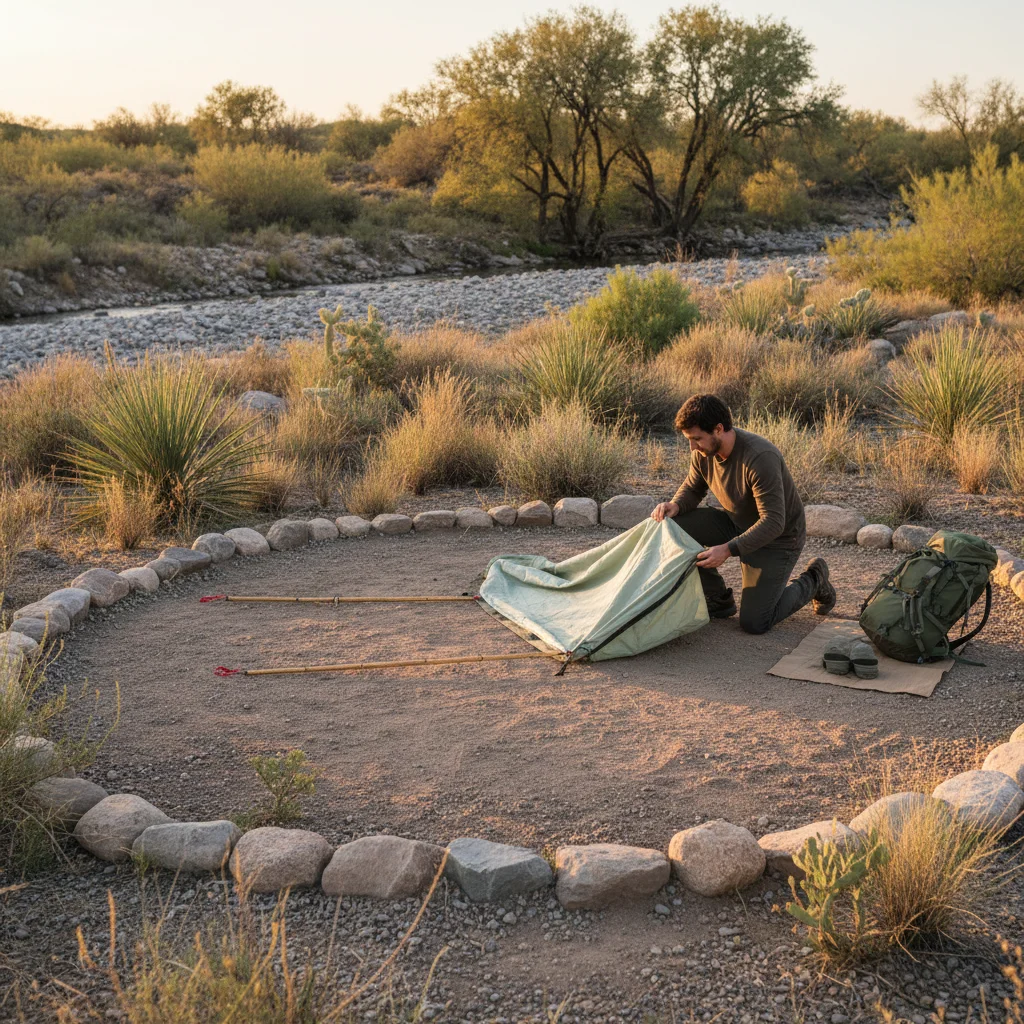
For your campsite, select a location that is already hardened or designated. Look for existing campsites that have been used before. These spots already show signs of human impact, so using them again concentrates the disturbance rather than spreading it to new, pristine areas. Avoid camping directly on vegetation, especially sensitive plants, and stay at least 200 feet from water sources to protect water quality and allow wildlife undisturbed access.
Consider the size of your group when choosing a campsite. Larger groups naturally have a greater impact, so it’s even more crucial for them to select spacious, durable sites or split into smaller units if necessary. Setting up your tent, cooking area, and activity zones on surfaces that can withstand repeated use prevents unnecessary wear and tear on the environment. This mindful approach to where you step and where you set up camp is vital for preserving the integrity and beauty of our natural landscapes.
Be Considerate of Other Visitors
Sustainable camping practices extend beyond environmental concerns to include social responsibility, particularly being considerate of other visitors. The outdoors is a shared resource, and everyone deserves to enjoy its peace and beauty. Your actions can significantly impact the experience of others, so practicing courtesy and respect is paramount. This means minimizing noise, respecting privacy, and being mindful of your presence in shared spaces.
Noise pollution, whether from loud music, boisterous conversations, or noisy generators, can detract from the tranquility of nature for other campers and hikers. Strive to keep noise levels down, especially during quiet hours or in areas where solitude is sought. Many people venture into the wilderness specifically to escape urban sounds and enjoy the natural soundscape. Allowing others to experience this peace is a key aspect of responsible outdoor etiquette.
Sharing the Outdoors Responsibilities
- Minimize Noise: Keep voices and equipment noise low to preserve natural tranquility.
- Respect Privacy: Give other campers ample space and avoid cutting through their sites.
- Yield on Trails: When hiking, yield to uphill hikers and be polite when passing others.
- Control Pets: Ensure pets are leashed and quiet, preventing disturbance to wildlife or people.
- Share the Experience: Offer help if needed and be friendly, but respect others’ desire for solitude.
When on trails, practice proper trail etiquette. Yield to uphill hikers, as they often have a more strenuous climb. Announce your presence when approaching others from behind, especially on narrow trails, to avoid startling them. If you’re riding a bike, slow down and verbally alert pedestrians before passing. This proactive communication helps prevent accidents and fosters a positive atmosphere for everyone enjoying the outdoors. By being mindful of those around you, you contribute to a more harmonious and enjoyable experience for all.
Frequently Asked Questions
What does “Leave No Trace” mean in camping?
Leave No Trace is a set of seven principles designed to minimize human impact on the environment. It encourages responsible outdoor recreation, focusing on planning ahead, proper waste disposal, minimizing campfire impact, respecting wildlife, and being considerate of other visitors.
How can I reduce plastic waste while camping?
To reduce plastic waste, use reusable water bottles and purification systems instead of single-use bottles. Repackage food into reusable containers before your trip, and bring reusable bags for trash and recyclables. Choose durable, long-lasting gear over disposable items.
Is it okay to bury my food scraps?
No, it’s generally not okay to bury food scraps. While they might seem biodegradable, they decompose slowly, can attract wildlife, alter their diets, and contribute to human-wildlife conflicts. Always pack out all food scraps, including fruit peels and cores.
What should I do if I encounter wildlife?
If you encounter wildlife, observe them from a distance. Never approach, feed, or touch animals. Make noise if necessary to avoid surprising them, and give them plenty of space to move away. Store all food securely to prevent attracting animals to your campsite.
How far should my campsite be from water sources?
Ideally, your campsite should be at least 200 feet (about 70 steps) from water sources. This helps protect water quality, prevents pollution from soaps or human waste, and allows wildlife undisturbed access to drink and forage.
Official Resources
- Leave No Trace Center for Outdoor Ethics
- National Park Service – Leave No Trace Principles
- USDA Forest Service – Fire Information
- Environmental Protection Agency – Recycling Basics
Conclusion
Adopting sustainable camping practices is more than just a trend; it’s a vital commitment to preserving the natural world we cherish. By implementing these six key methods—thoughtful planning, proper waste disposal, minimizing campfire impact, respecting wildlife, traveling on durable surfaces, and being considerate of others—you actively contribute to a healthier planet. These actions collectively reduce your environmental footprint, ensuring that the serene landscapes and vibrant ecosystems remain intact for generations to come. Every responsible choice, no matter how small, adds up to a significant positive impact.
Embrace the challenge of lowering your environmental impact by 25% or more on your next outdoor adventure. It enhances your experience by fostering a deeper connection to nature and instills a sense of pride in knowing you’re doing your part. Let’s all commit to leaving our wild spaces better than we found them, allowing everyone to enjoy the profound beauty and tranquility that only the great outdoors can offer. Your mindful actions today shape the wilderness of tomorrow.
