Wetland Wonders: Top Ecosystems for Wildlife Observation
Anúncios
Wetland wonders are truly remarkable, offering some of the most dynamic and essential habitats on Earth. For anyone interested in wetland wildlife observation, these unique ecosystems provide unparalleled opportunities to connect with nature. From vast marshes to intricate swamps, wetlands support an astonishing array of plant and animal life, playing a crucial role in global biodiversity. Understanding and appreciating these vital areas is key to their ongoing preservation.
These natural filters purify our water, protect coastlines from erosion, and serve as nurseries for countless species. Exploring wetlands allows us to witness the intricate balance of nature firsthand, making every visit a learning experience. Whether you’re a seasoned birdwatcher or a curious beginner, the diversity found within wetlands promises an unforgettable adventure into the heart of wildlife.
Anúncios
Anúncios
Exploring the Richness of Marshes for Wetland Wildlife Observation
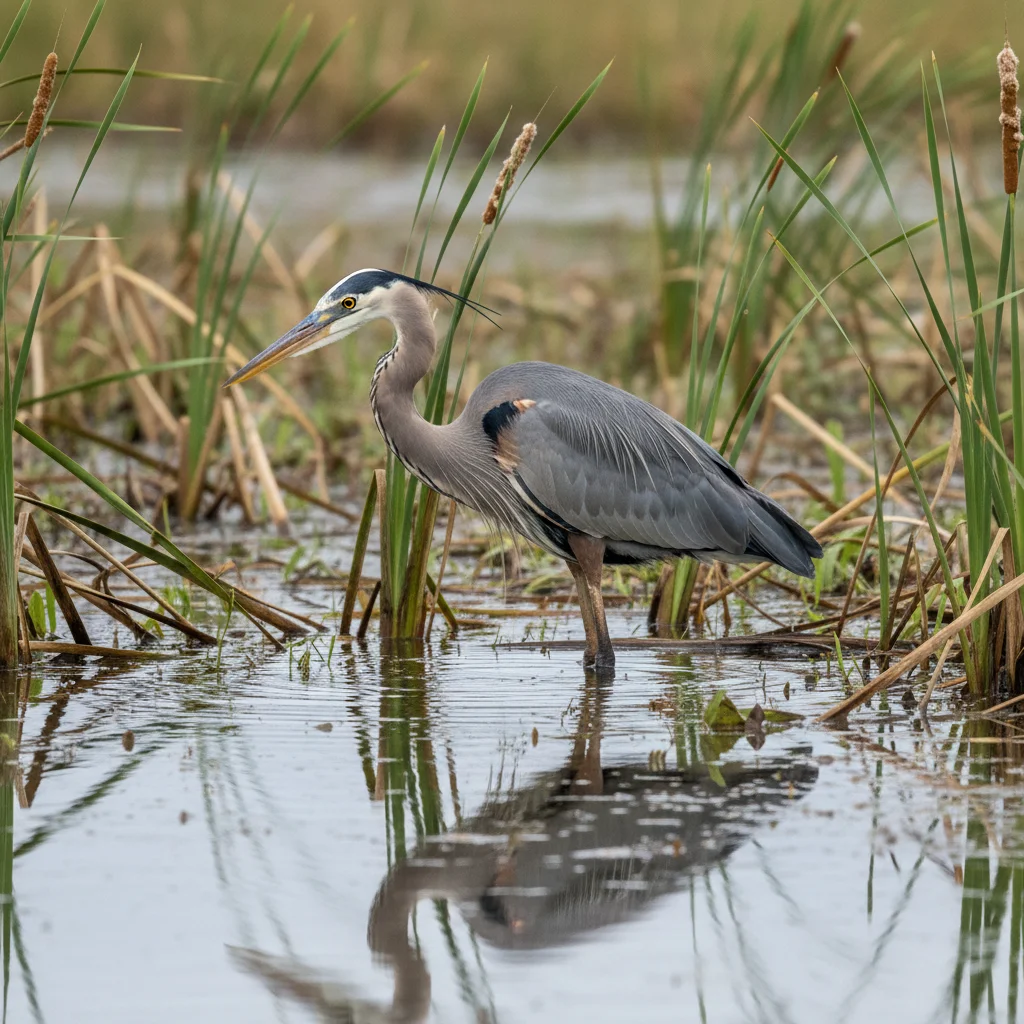
Marshes are among the most accessible and rewarding wetland types for wetland wildlife observation. Characterized by soft-stemmed vegetation like grasses, rushes, and sedges, marshes are typically found along the edges of lakes, rivers, and coastlines. They are constantly saturated with water, which creates a unique environment for a wide variety of species. The shallow, nutrient-rich waters of marshes are ideal for supporting an abundance of insects, fish, and amphibians, which in turn attract numerous birds and mammals.
Birdwatching is particularly popular in marshes, as these areas serve as critical breeding grounds, feeding stops, and wintering habitats for migratory birds. You can often spot wading birds like herons and egrets, as well as various ducks and geese. Mammals like muskrats and otters also thrive in these lush environments, often seen navigating the waterways or foraging along the banks. Observing the daily life within a marsh reveals the incredible interconnectedness of its inhabitants.
The Unique Biodiversity of Swamps and Their Inhabitants
Swamps represent another fascinating category of wetlands, distinct from marshes due to their dominance of woody plants, particularly trees. These forested wetlands are often found in low-lying areas near rivers or coastlines, where water levels fluctuate throughout the year. The presence of trees, such as cypress and tupelo in the southern United States, creates a shaded, more enclosed environment compared to open marshes. This unique structure supports a different set of wildlife adapted to both aquatic and terrestrial conditions.
For wildlife observers, swamps offer a chance to see species that prefer more sheltered habitats. Alligators and crocodiles are iconic residents of many swamp ecosystems, often seen basking on logs or gliding silently through the water. Various species of snakes, turtles, and frogs also call swamps home. Birdlife is abundant, with species like owls, woodpeckers, and various songbirds finding refuge and food among the trees. Exploring a swamp often feels like stepping into another world, full of hidden life and ancient beauty.
Peatlands: Ancient Ecosystems with Specialized Wildlife
Peatlands, including bogs and fens, are ancient wetland ecosystems characterized by the accumulation of partially decayed plant matter known as peat. These wetlands are typically found in cooler climates and are often nutrient-poor and acidic, creating very specific conditions for the life that inhabits them. Bogs are fed primarily by rainwater, making them even more acidic, while fens receive water from groundwater, which can lead to slightly less acidic conditions and a greater diversity of plant life. Their unique chemistry supports highly specialized flora and fauna.
Observing wildlife in peatlands can be a more subtle experience compared to marshes or swamps. However, these areas are crucial habitats for certain rare and endangered species. Carnivorous plants like pitcher plants and sundews thrive here, adapted to the nutrient-poor soil. Specialized insects, amphibians, and reptiles are often found, along with birds adapted to open, boggy landscapes, such as various types of shorebirds and waterfowl. Visiting a peatland offers a glimpse into a truly ancient and delicate ecosystem, requiring careful observation to appreciate its unique inhabitants.
The Dynamic World of Estuaries for Wildlife Observation
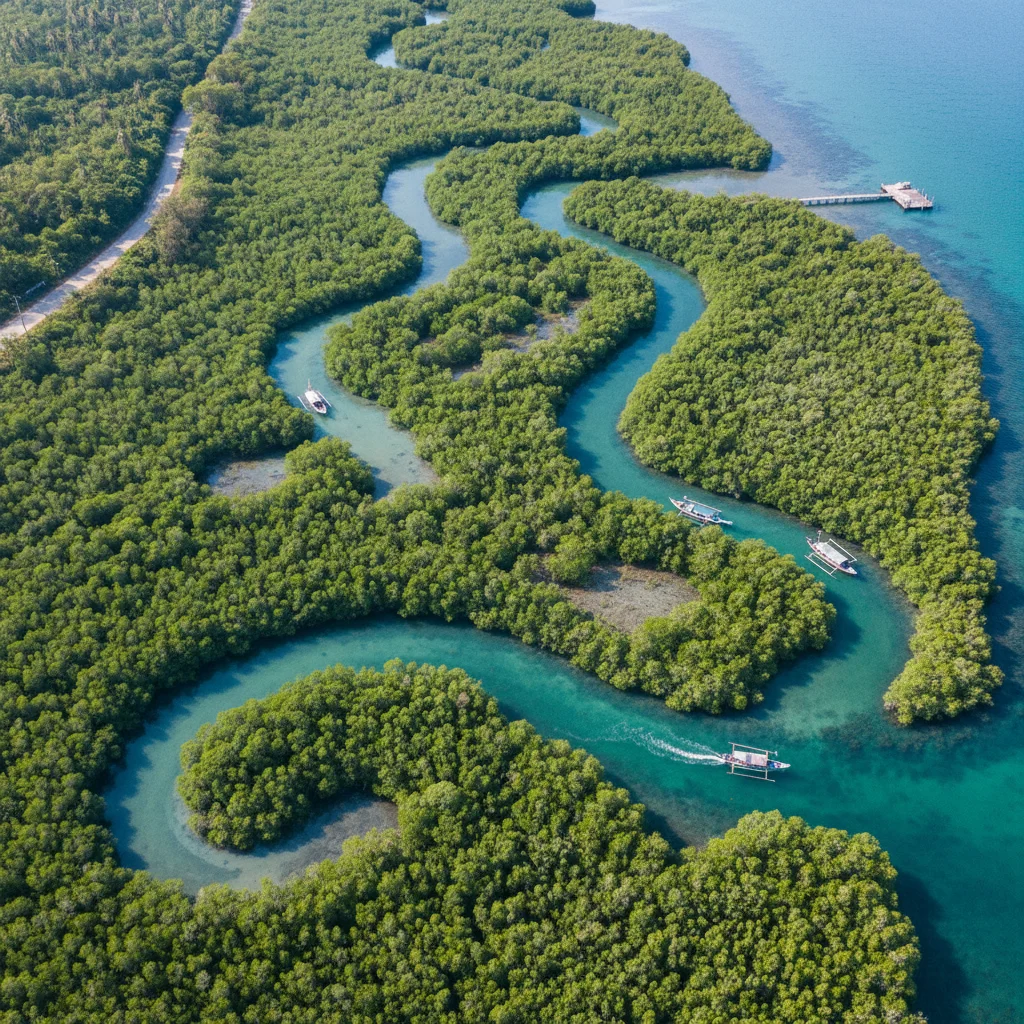
Estuaries are incredibly dynamic wetlands where freshwater rivers meet the saltwater of the ocean. This mixing creates a brackish environment, constantly changing with the tides, which supports an extraordinary diversity of life. Estuaries are often referred to as the “nurseries of the sea” because many marine species lay their eggs and raise their young in these protected, food-rich waters. The constant influx of nutrients from both land and sea makes estuaries exceptionally productive ecosystems.
For wildlife observation, estuaries are prime locations. You can expect to see a vast array of fish, shellfish, and crustaceans, which form the base of an extensive food web. Birds, both resident and migratory, flock to estuaries to feed on the abundant resources. Wading birds, seabirds, and raptors are common sights. Marine mammals, such as dolphins and manatees, also frequent estuaries, especially in warmer regions. The ever-changing nature of estuaries means that every visit can offer a different and exciting wildlife encounter.
Conservation and Responsible Practices in Wetland Exploration
When engaging in wetland wildlife observation, it’s paramount to practice responsible and ethical behaviors to protect these fragile ecosystems. Wetlands are incredibly sensitive to human disturbance, and even small actions can have significant impacts. Understanding and following conservation guidelines ensures that these vital habitats remain healthy for both wildlife and future generations to enjoy. Our presence should always be as minimally intrusive as possible, allowing nature to thrive undisturbed.
Key Practices for Responsible Wetland Visits
- Stay on Designated Paths: Wandering off marked trails can damage delicate vegetation and disturb nesting wildlife.
- Observe from a Distance: Use binoculars or a spotting scope to view animals without causing stress or altering their natural behavior.
- Leave No Trace: Pack out everything you pack in, including all trash and food scraps.
- Respect Wildlife: Never feed animals, as this can lead to dependency and health issues. Avoid making loud noises or sudden movements.
- Support Conservation: Consider volunteering or donating to organizations dedicated to wetland preservation.
By adhering to these simple guidelines, we can all contribute to the long-term health and vitality of wetland ecosystems, ensuring they continue to be wonders for wildlife observation.
Frequently Asked Questions
What is the best time of year for wetland wildlife observation?
The best time often depends on the specific wetland and the types of wildlife you hope to see. Spring and fall are excellent for migratory birds, while summer can be great for amphibians and reptiles. Early mornings and late afternoons are generally the best times of day.
What equipment is essential for observing wetland wildlife?
Binoculars are crucial for viewing distant animals without disturbing them. A field guide specific to your region’s wildlife, a camera, and appropriate waterproof footwear are also highly recommended. Insect repellent can be very useful too.
Are all wetlands protected areas?
No, not all wetlands are officially protected, though many are. Their protection status varies greatly by country and region. It’s important to research the specific wetland you plan to visit to understand any regulations or conservation efforts in place.
How can I help protect local wetlands?
You can help by supporting local conservation groups, participating in clean-up efforts, advocating for stronger environmental policies, and educating others about the importance of wetlands. Reducing your water consumption and avoiding harmful chemicals also contribute.
What are some common threats to wetland ecosystems?
Wetlands face numerous threats, including habitat destruction due to development, pollution from agricultural runoff and industrial waste, climate change leading to altered water levels, and invasive species that outcompete native plants and animals.
Official Resources
- U.S. Environmental Protection Agency – Wetlands
- U.S. Fish & Wildlife Service – Wetlands
- The Ramsar Convention on Wetlands
- The Nature Conservancy – What are Wetlands?
Conclusion
The world’s wetlands are truly indispensable, vibrant ecosystems that offer profound opportunities for wetland wildlife observation and a deeper appreciation for nature’s delicate balance. From the reedy expanse of marshes to the ancient, tree-filled depths of swamps, the unique chemistry of peatlands, and the bustling nurseries of estuaries, each wetland type presents a distinct tapestry of life. These habitats are not merely beautiful landscapes; they are critical for biodiversity, water purification, and coastal protection, serving as vital links in the ecological chain.
By understanding the characteristics of these different wetland wonders and adopting responsible viewing practices, we can ensure their continued health and accessibility. Every visit to a wetland is an opportunity to learn, to connect with the natural world, and to witness the incredible resilience and adaptability of wildlife. Let’s commit to protecting these invaluable natural treasures, ensuring that future generations can also marvel at the captivating life found within these essential ecosystems. Your mindful exploration contributes directly to their preservation.
