Navigating Wilderness Regulations: Your 4-Step Guide
Anúncios
Understanding and complying with new wilderness regulations is more important than ever for anyone who enjoys spending time in nature. These directives are designed to protect our precious natural resources, ensuring that future generations can also experience the beauty and tranquility of wild spaces. Navigating wilderness regulations can seem complex, but by following a structured approach, you can easily grasp the essentials and contribute to conservation efforts.
This 4-step guide will help you decipher new conservation directives, making it simpler to understand your role in preserving these vital ecosystems. By staying informed, we can all become better stewards of the environment.
Anúncios
Anúncios
Step 1: Identify the Governing Authority and Jurisdiction
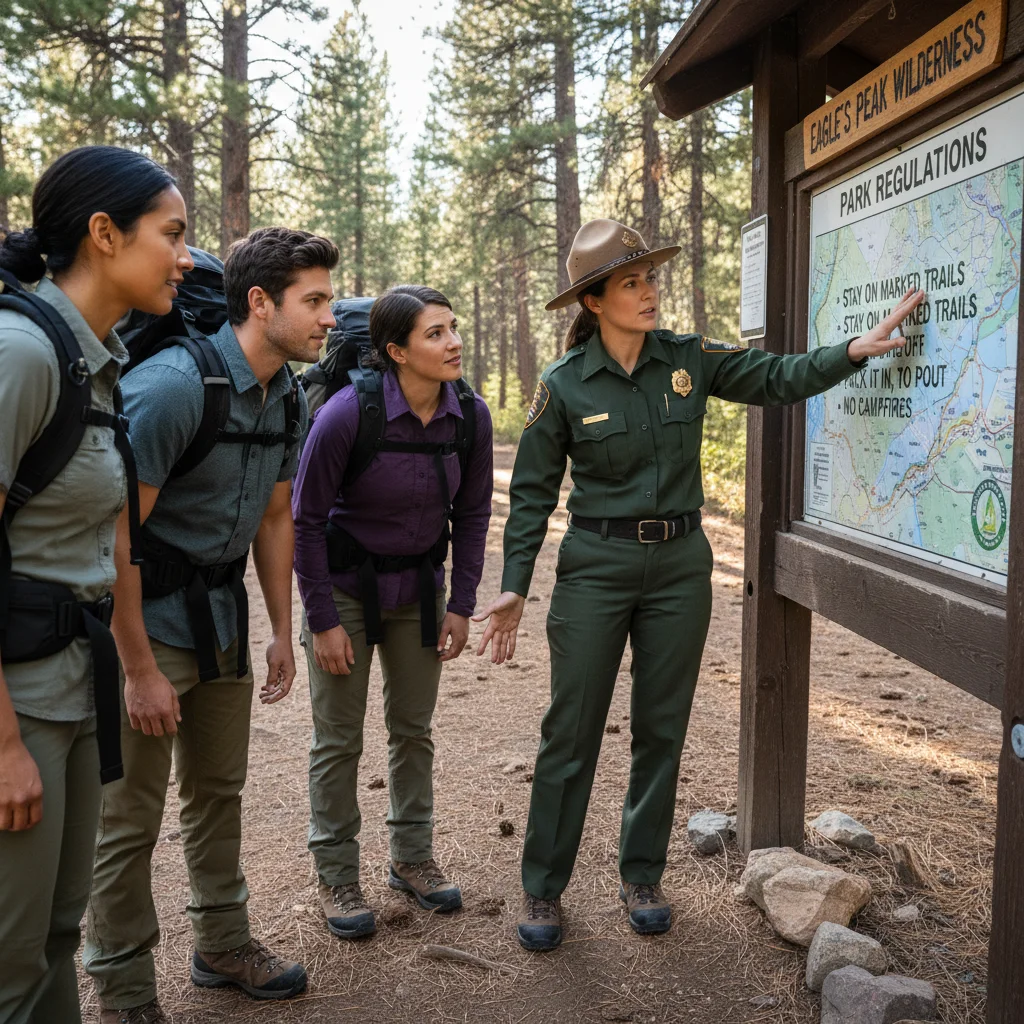
The first crucial step in understanding any new wilderness regulation is to identify which agency or body is responsible for the land you plan to visit. Different areas fall under different jurisdictions, each with its own set of rules. For example, national parks have regulations set by the National Park Service, while national forests are managed by the U.S. Forest Service. State parks, local preserves, and even private conservation lands will have their own specific guidelines.
Knowing the governing authority helps you pinpoint where to look for official information. This foundational knowledge ensures you are accessing the most accurate and up-to-date directives. Without this clarity, you might inadvertently follow outdated or incorrect rules, which could lead to unintended violations or missed opportunities to engage with conservation efforts.
Step 2: Access Official Sources and Review Directives
Once you have identified the governing authority, the next step is to go directly to their official sources for information. This typically means visiting their official websites, which are usually easily found through a quick search. Avoid relying solely on third-party blogs or forums, as these might contain outdated or misinterpreted information. Official websites often feature dedicated sections for regulations, alerts, and visitor guidelines.
When reviewing the directives, pay close attention to any sections marked as “new” or “updated.” Look for specifics regarding permitted activities, restricted areas, permit requirements, and any changes to existing rules. Understanding the nuances of these documents will prevent misunderstandings and ensure your compliance with all current wilderness regulations.
Key Information to Look For:
- Permit requirements for specific activities (e.g., camping, fires, backcountry access)
- Seasonal closures or restrictions due to wildlife, weather, or maintenance
- Rules regarding waste disposal and Leave No Trace principles
- Regulations concerning pets, drones, and motorized vehicles
Step 3: Understand the Rationale Behind the Regulations
Simply knowing the rules isn’t always enough; understanding why they exist can significantly enhance your compliance and appreciation for conservation. Most wilderness regulations are put in place to protect sensitive ecosystems, mitigate human impact, ensure visitor safety, or preserve wildlife habitats. For instance, a restriction on campfires during dry seasons directly relates to wildfire prevention, a critical concern in many wild areas.
Similarly, limitations on group sizes or designated camping areas help reduce erosion and minimize disturbance to fragile vegetation and wildlife. By grasping the ecological or safety reasons behind these directives, you’re more likely to adhere to them thoughtfully rather than merely following instructions. This deeper understanding fosters a sense of responsibility and encourages proactive participation in conservation.
It’s also worth noting that many regulations are a direct response to scientific research and ongoing monitoring of environmental conditions. When you see a new rule, consider that it might be a necessary adjustment to protect a species, an ecosystem, or a visitor experience that has been negatively impacted. This perspective transforms compliance from a chore into a meaningful contribution to environmental stewardship.
Step 4: Prepare and Adapt Your Plans Accordingly
With a clear understanding of the wilderness regulations and their underlying rationale, the final step is to adjust your plans. This might involve obtaining necessary permits well in advance, modifying your itinerary to avoid restricted areas, or packing different gear to comply with new rules. For example, if open fires are prohibited, you’ll need to plan for a stove or cold meals. If certain trails are closed for wildlife migration, you’ll need to select an alternative route.
Being prepared also means having a backup plan. Weather conditions, unexpected closures, or new temporary directives can always emerge, especially in dynamic wilderness environments. Always check for last-minute updates just before your trip. Embracing flexibility and adapting to these guidelines ensures a safe, enjoyable, and environmentally responsible experience for everyone. Your willingness to adapt is a testament to your commitment to preserving these invaluable natural spaces.
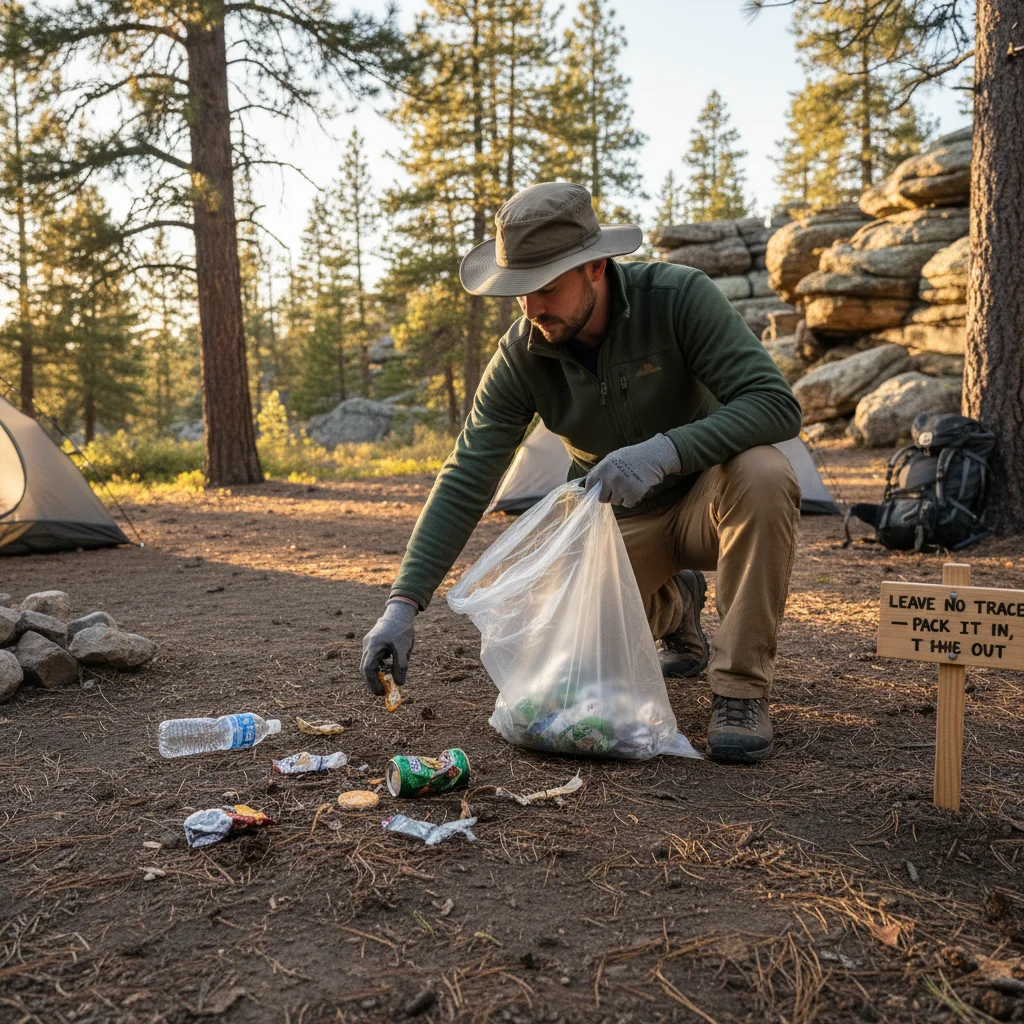
Remember that adherence to these rules isn’t just about avoiding penalties; it’s about being a responsible outdoor enthusiast. Each action we take in the wilderness has an impact, and by following regulations, we minimize negative effects and help maintain the integrity of these natural areas. This proactive approach ensures that the beauty and ecological health of these wild places endure for years to come.
Frequently Asked Questions
What if I find a discrepancy between different sources of information?
Always prioritize information directly from the official website of the governing authority (e.g., National Park Service, U.S. Forest Service). If you still have questions, contact their visitor center or administrative office for clarification.
How far in advance should I check for new regulations?
It’s best practice to check for regulations at least a few weeks before your planned trip. Additionally, do a quick check again immediately before you depart, as conditions and rules can change rapidly, especially due to weather or emergencies.
Are wilderness regulations the same across all protected areas?
No, regulations vary significantly between different protected areas and governing bodies. National parks, national forests, state parks, and local preserves each have their own specific rules tailored to their unique environments and management objectives.
What are the consequences of not following wilderness regulations?
Consequences can range from warnings and fines to expulsion from the area, and in severe cases, legal charges. Violations can also lead to negative impacts on the environment, wildlife, and the experience of other visitors.
How can I get involved in shaping future conservation directives?
Many agencies offer opportunities for public comment on proposed regulations. You can also join local conservation groups, attend public meetings, or contact your elected officials to voice your opinions and contribute to policy discussions.
Official Resources
- National Park Service (NPS)
- U.S. Forest Service (USFS)
- Leave No Trace Center for Outdoor Ethics
- U.S. Environmental Protection Agency (EPA)
Conclusion
Navigating the evolving landscape of wilderness regulations is an essential aspect of responsible outdoor recreation. By systematically identifying authorities, consulting official sources, understanding the ecological rationale, and adapting your plans, you become a more informed and effective steward of our natural heritage. These steps not only ensure your compliance but also deepen your connection to the wild spaces you visit. Every new directive is a call to action, reminding us of our collective responsibility to protect these irreplaceable environments.
Embracing these guidelines helps preserve the delicate balance of ecosystems, safeguard wildlife, and maintain the pristine beauty that draws us to nature. So, before your next adventure, take the time to engage with these regulations. Your diligence contributes directly to the longevity and health of our wilderness areas, ensuring that their wonders remain accessible and vibrant for generations to come. Let’s all play our part in thoughtful and sustainable outdoor practices.
