Lighten Your Load: Reduce Pack Weight for Trekking
Embarking on a multi-day trek is an exhilarating experience, offering unparalleled opportunities to connect with nature and challenge yourself physically. However, a common pitfall that can quickly turn an enjoyable journey into a grueling ordeal is an overly heavy backpack. Learning to reduce pack weight is not just about comfort; it’s about enhancing your endurance, reducing strain on your body, and ultimately, making your adventure more pleasurable and sustainable. Our goal here is to help you shave off a significant 20% of your gear weight, transforming your trekking experience.
Many trekkers, especially those new to multi-day trips, tend to overpack, bringing items they might never use or heavier versions of essentials. This extra burden can lead to fatigue, slower progress, and even potential injuries, detracting from the beauty and challenge of the trail. By strategically evaluating every item and making smart choices, you can achieve a lighter load without compromising safety or enjoyment. This guide will walk you through practical steps and mindset shifts to achieve that crucial weight reduction.
Understanding Your Current Pack Weight and Essentials
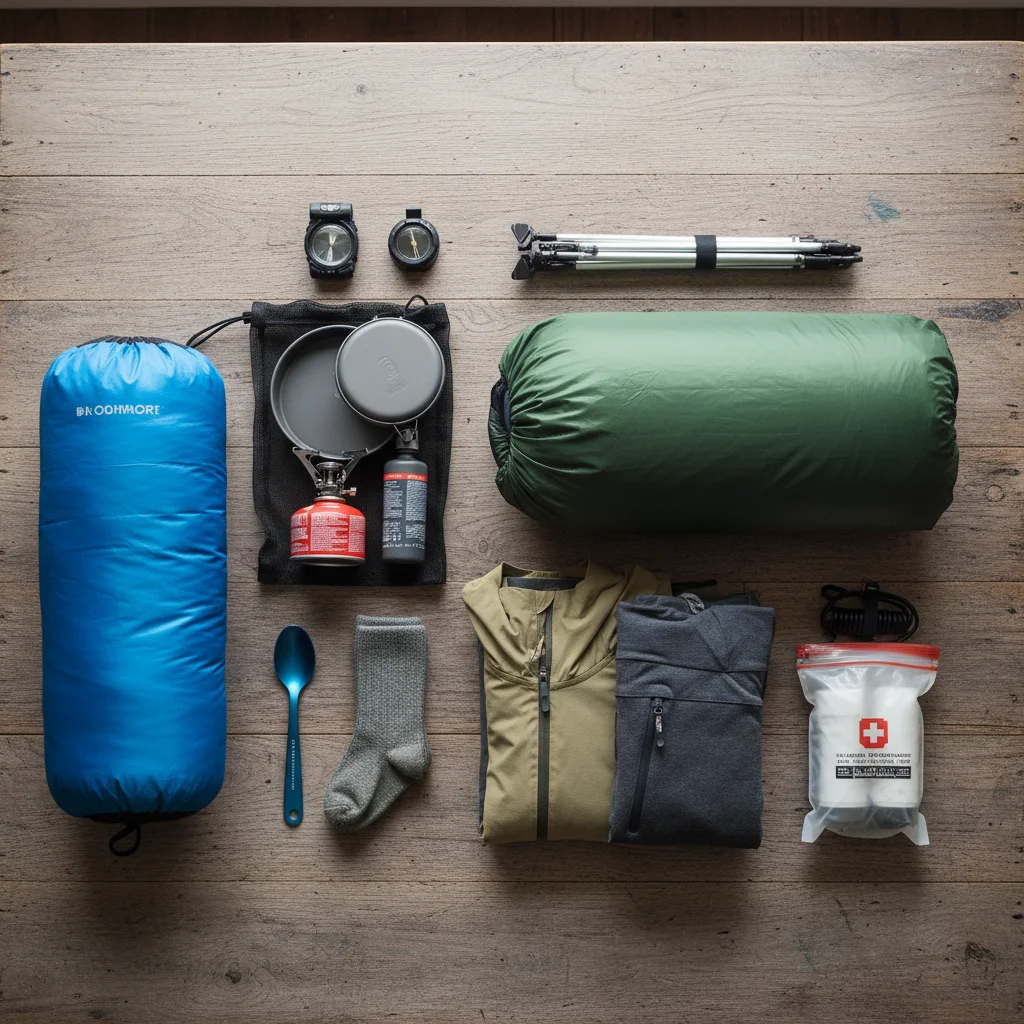
Before you can effectively reduce pack weight, you need to know your starting point. This involves taking an honest inventory of everything you typically carry. Lay out all your gear, from your tent and sleeping bag to your smallest first-aid item and snacks. This visual representation helps identify redundancies and items that might be heavier than necessary. Many trekkers are surprised to find how much small, seemingly insignificant items add up, contributing to a substantial overall weight.
Once everything is laid out, categorize your gear. Think about the ‘Big Three’: shelter, sleep system, and backpack itself. These items often account for the largest portion of your pack’s weight, so they are prime targets for significant reductions. Next, consider your cooking system, clothing, water purification, and safety items. Each category presents opportunities for optimization. Documenting the weight of each item, even if just an estimate, provides a baseline and highlights areas where you can make the most impact. This initial assessment is crucial for a systematic approach to lightening your load.
It’s also important to differentiate between ‘essentials’ and ‘nice-to-haves.’ An essential item is something critical for safety, survival, or completing your trek. A ‘nice-to-have’ might add comfort but isn’t strictly necessary. The line between these can be blurry, and it often depends on the specific trek, conditions, and your personal risk tolerance. However, for the purpose of reducing weight, a critical eye is needed. Challenge every item: ‘Do I truly need this, or can I do without it, or find a lighter alternative?’
Optimizing the ‘Big Three’: Shelter, Sleep, and Pack
The ‘Big Three’ – your shelter, sleep system (sleeping bag and pad), and backpack – are typically the heaviest components of your gear. Focusing on these first offers the greatest potential to reduce pack weight significantly. Investing in lighter versions of these items can be a game-changer for your overall trekking experience. While they might represent a larger upfront cost, the long-term benefits in comfort and performance are undeniable, making the investment worthwhile for serious trekkers.
For shelters, consider options like ultralight tents, tarps, or even bivvy sacks, depending on the environment and your comfort level. Modern ultralight tents are surprisingly durable and offer excellent protection at a fraction of the weight of traditional models. Tarps, while requiring more skill to set up, provide minimalist shelter and are incredibly light. Your sleep system is another critical area. Look for sleeping bags with high fill power down insulation for the best warmth-to-weight ratio, and pair them with an ultralight inflatable sleeping pad. These pads offer insulation and comfort while packing down small.
Choosing the Right Backpack
- Volume vs. Weight: Select a backpack that matches the volume you actually need. Overly large packs encourage overpacking.
- Frameless vs. Framed: For lighter loads, a frameless or internal frame pack can save significant weight compared to external frame packs.
- Material Technology: Modern materials like Dyneema Composite Fabric (DCF) or advanced nylons offer excellent durability and weather resistance at a minimal weight.
- Minimalist Features: Look for packs with fewer unnecessary straps, pockets, and zippers, which all add weight.
By carefully evaluating and upgrading these three core items, you can often achieve a substantial portion of your 20% weight reduction goal. Remember, the goal is not just to buy the lightest gear, but the lightest gear that still meets your needs for safety, comfort, and durability on your specific trek.
Smart Clothing Choices and Layering Systems
Clothing can surprisingly add a lot of weight to your pack, especially if you bring too many items or choose heavy fabrics. The key to smart clothing choices for trekking is a versatile layering system. Instead of packing bulky, single-purpose items, opt for multiple thin layers that can be combined or shed to adapt to varying temperatures and conditions. This approach allows you to stay comfortable across a wider range of weather without carrying excessive weight. The goal is to maximize utility while minimizing the total number of garments.
Think about three main layers: a base layer, a mid-layer, and an outer shell. Your base layer should be moisture-wicking, made from materials like merino wool or synthetic fabrics, to keep sweat away from your skin. Mid-layers provide insulation; a lightweight fleece or a thin puffy jacket works well here. Finally, a waterproof and windproof outer shell is crucial for protection against the elements. Each of these layers should be as light as possible while still offering the necessary performance. Avoid cotton at all costs, as it absorbs moisture and takes a long time to dry, leading to discomfort and potential hypothermia.
Beyond the core layering system, consider other clothing items with a critical eye. Do you really need multiple pairs of hiking pants, or can one quick-drying pair suffice? Can you use a single pair of camp shoes that are also suitable for stream crossings? Are lightweight hiking socks and underwear made from performance fabrics a better choice than heavier, less efficient options? Even small items like hats and gloves should be chosen for their warmth-to-weight ratio. Every ounce counts when you’re trying to reduce pack weight significantly.
Laundry on the trail is often impractical, but strategic packing means you can manage with fewer items. For multi-day treks, plan for one set of clothes for hiking and one clean, dry set for camp. You can often wear hiking clothes for several days, especially if they are made from odor-resistant materials like merino wool. By making thoughtful decisions about each clothing item, you can shed considerable weight from your pack without compromising your comfort or safety on the trail.
Food and Water: The Consumable Weight Challenge
Food and water are often the heaviest items in a backpack, and unlike gear, their weight decreases as you consume them. However, starting with an optimized approach to these consumables can significantly reduce pack weight from the outset. Planning your meals meticulously is crucial. Focus on calorie-dense, lightweight foods that require minimal preparation and cooking fuel. Dehydrated meals, instant oatmeal, nuts, dried fruits, energy bars, and jerky are excellent choices. Avoid heavy, water-rich foods like canned goods or fresh produce, which add unnecessary bulk and weight.
When planning food, calculate your caloric needs based on your activity level and the duration of your trek. Then, select foods that provide the most calories per ounce. Repackage all food from its original bulky packaging into lightweight, resealable bags. This not only saves weight but also reduces volume and helps with organization. Think about what you truly need versus what you might crave. A few luxury items are fine, but too many can quickly negate your efforts to lighten your load. Consider sharing cooking systems and some food items with trekking partners to further distribute weight.
Water is essential for survival, but it’s also incredibly heavy – one liter weighs approximately 2.2 pounds. The strategy for managing water weight involves carrying only what you need between reliable water sources. Research your route thoroughly to identify all potential water sources, and plan your water carries accordingly. Instead of carrying multiple liters from the start, aim to carry just enough until your next refill point. Invest in a reliable and lightweight water filter or purification tablets. This allows you to safely drink from natural sources without carrying excessive amounts of water.
Hydration bladders can be convenient, but ensure they are not overfilled for sections where water is plentiful. Consider using lightweight plastic bottles instead of heavier reusable ones if weight is a major concern. Every small decision regarding food and water can add up to a substantial reduction in your overall pack weight, making a noticeable difference in your comfort and energy levels throughout your multi-day trek. This conscious effort to minimize consumable weight is a continuous process that pays dividends on the trail.
Beyond the Basics: Miscellaneous Gear and Mindset Shifts
Once you’ve tackled the ‘Big Three’ and optimized your food and water, it’s time to scrutinize all the miscellaneous items that often sneak into a pack. This category includes everything from your first-aid kit and toiletries to electronics and repair items. Many trekkers carry a host of ‘just in case’ items that are rarely, if ever, used. While safety is paramount, there’s often room to trim weight from these areas without compromising preparedness. The goal is to carry multi-functional items and only what is truly essential for your specific trek.
Consider downsizing and repackaging toiletries. Instead of full-sized toothpaste, bring a travel-sized tube or even toothpaste tablets. Decant soap, sunscreen, and insect repellent into smaller, lighter containers. For your first-aid kit, customize it for your known needs and the specific risks of your trail, rather than buying a generic, often oversized kit. Include only essential medications, bandages, and basic wound care supplies. Share items like repair kits, maps, and even some tools with trekking partners to distribute the load and avoid redundancy.
Adopting a Lightweight Mindset
- Multi-functional Gear: Can one item serve multiple purposes? (e.g., trekking poles for shelter setup).
- Leave No Trace, Leave No Weight: Only bring what is necessary and pack out everything you pack in.
- Embrace Minimalism: Challenge every item. If you can do without it, leave it behind.
- Experience Over Possessions: Focus on the journey and the natural world, not on comfort items.
- Regular Gear Audit: Periodically review your gear list and look for lighter alternatives as technology evolves.
A significant part of reducing pack weight is adopting a lightweight mindset. This involves a shift in perspective, moving from a desire for maximum comfort and preparedness for every conceivable scenario to a focus on efficiency and resilience. It means trusting your skills and judgment, and being comfortable with having just enough. This mindset not only lightens your load but also frees you mentally, allowing you to fully immerse yourself in the trekking experience. Continuously evaluate your gear, learn from each trip, and refine your packing strategy to achieve optimal balance.
Frequently Asked Questions
What is the ideal pack weight for a multi-day trek?
There’s no single ideal weight, as it depends on trek duration, conditions, and personal fitness. However, a good guideline for a multi-day trek is to aim for your pack to be no more than 15-20% of your body weight. For ultralight enthusiasts, base weights (excluding food and water) often fall under 10-12 pounds.
Is it worth spending more on ultralight gear?
For frequent trekkers or those undertaking challenging routes, investing in ultralight gear can be highly beneficial. While more expensive upfront, the reduced strain, increased comfort, and improved performance on the trail often make it a worthwhile investment. For occasional trekkers, a balanced approach combining some lighter items with more budget-friendly options might be sufficient.
How can I test my pack before a long trek?
The best way to test your pack is to do a loaded practice hike. Fill your pack with all your intended gear, food, and water, and go for a day hike on similar terrain to your planned trek. This will help you identify hot spots, discomfort, and any unnecessary items before you embark on your main adventure.
What are some common items people overpack?
Common overpacked items include too many changes of clothing, excessive toiletries, bulky first-aid kits, multiple pairs of shoes, large cameras or electronic gadgets, and an abundance of ‘just in case’ tools or luxury food items. Critically evaluate each item’s necessity.
How do I handle varying weather conditions with minimal clothing?
The key is a versatile layering system. Pack a moisture-wicking base layer, an insulating mid-layer (like a fleece or lightweight puffy), and a waterproof/windproof outer shell. This allows you to adapt to temperature changes by adding or removing layers, without carrying multiple heavy garments for each potential condition.
Official Resources
- National Park Service – Pack Light, Pack Smart
- USDA Forest Service – Backpacking Gear Checklist
- Leave No Trace Center for Outdoor Ethics
- REI Co-op – Backpacking Checklist & Expert Advice
Conclusion
Successfully reducing your pack weight by 20% for a multi-day trek is an achievable goal that promises a significantly more comfortable and enjoyable experience. By systematically approaching your gear selection, starting with the ‘Big Three’ and meticulously scrutinizing every item, you can shed unnecessary ounces without compromising safety or preparedness. The process involves thoughtful planning of food and water, making smart clothing choices, and embracing a minimalist mindset that prioritizes efficiency and resilience over excess.
Remember, a lighter pack means less strain on your body, increased endurance, and the freedom to fully immerse yourself in the natural beauty surrounding you. Each ounce you eliminate translates directly into more energy for enjoying the views, navigating challenging terrain, and creating lasting memories. So, take the time to audit your gear, make informed choices, and embark on your next multi-day adventure with a lighter load and a renewed sense of freedom. Happy trails!
