Bear Safety Protocols: Updated Guidelines for National Parks
Exploring national parks offers unparalleled beauty and adventure, but it also means sharing habitats with wildlife, including bears. Understanding bear safety protocols is crucial for a safe and enjoyable experience for both visitors and animals. In recent months, many national parks have updated their guidelines to reflect new research and evolving bear behaviors, making it more important than ever to be aware of the latest recommendations. These updated protocols aim to minimize human-bear conflicts, protecting both park visitors and the bear populations.
The changes often stem from increased visitor numbers, expanded bear territories, and a better understanding of how bears react to human presence. By staying informed and following these guidelines, you contribute to the conservation efforts and ensure that future generations can also enjoy these wild spaces responsibly. This article will delve into the specific updates and provide actionable advice to help you navigate bear country with confidence and respect.
Understanding Recent Changes in Bear Safety Protocols
National parks across the country have been diligently reviewing and revising their bear safety protocols. These updates are not arbitrary; they are based on data collected from bear-human interactions, scientific research into bear ecology, and observed changes in bear behavior over time. For example, some parks have noted an increase in habituated bears, leading to stricter rules about food storage and waste disposal. Other parks are seeing bears expand into areas where they haven’t been common before, prompting new signage and educational efforts in those zones.
A significant focus of these recent changes has been on proactive measures rather than reactive ones. This means more emphasis on preventing encounters in the first place, through better education and clearer guidelines for visitors. Park authorities are also working to standardize messaging across different parks where possible, making it easier for frequent visitors to adhere to safety measures regardless of their location. These adjustments are a testament to the parks’ commitment to visitor safety and wildlife preservation.
One key shift involves a more nuanced approach to bear deterrents. While bear spray remains a highly recommended tool, there’s a greater emphasis on understanding when and how to use it effectively, rather than just carrying it. Educational materials now often include detailed scenarios and practice tips. Furthermore, some parks have implemented new permit systems for backcountry camping in certain areas, allowing for better management of human presence in sensitive bear habitats. These changes reflect a continuous effort to adapt to the dynamic relationship between humans and bears in shared natural spaces.
Essential Gear and Preparation for Bear Country
Proper preparation is your first line of defense when entering bear country. Beyond just knowing the rules, having the right gear can significantly enhance your safety. This includes items that help prevent encounters and those that aid in managing one if it occurs. Always check the specific requirements for the national park you plan to visit, as gear recommendations can vary slightly depending on the bear species present (black bears, grizzlies) and the park’s unique regulations.
One of the most critical items is a bear-resistant food container or proper food storage techniques. Many parks now mandate the use of certified bear canisters for backcountry camping, and improper food storage can lead to fines. Equally important is carrying bear spray. It should be easily accessible, not buried in your backpack. Knowing how to use it involves understanding how to deploy it quickly and effectively. Additionally, some hikers choose to carry noisemakers like bear bells, though their effectiveness is debated; consistent verbal communication (talking loudly) is often more effective at alerting bears to your presence.
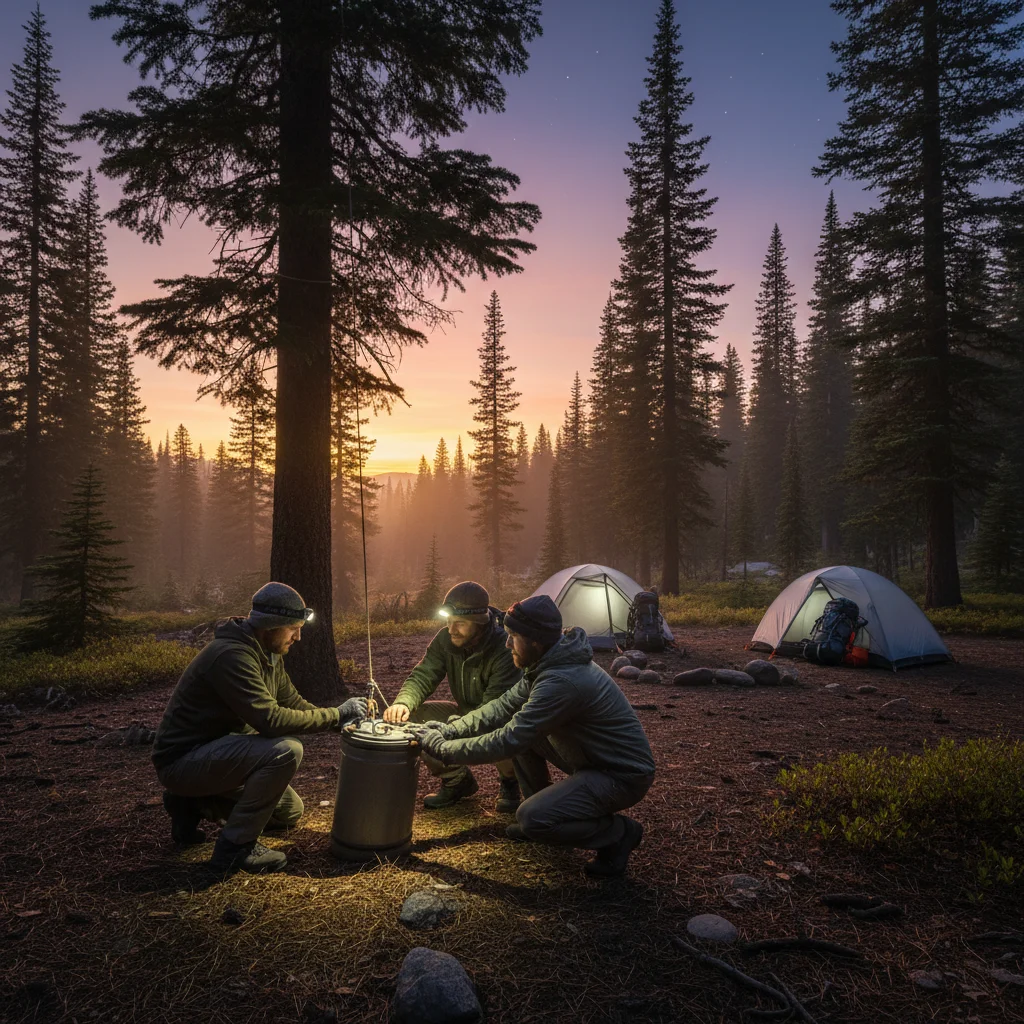
Beyond physical gear, mental preparation is key. This involves researching the specific bear activity in the area you’ll be visiting, knowing what to do if you encounter a bear, and understanding the differences in behavior between black bears and grizzly bears. Being informed reduces panic and allows for a more reasoned response. Always inform someone of your itinerary, especially if you’re hiking alone, and carry a map and compass or GPS device in addition to your phone, as cell service can be unreliable in remote areas.
Minimizing Bear Encounters: Best Practices on the Trail
The best bear encounter is the one that never happens. Implementing best practices while hiking and camping can significantly reduce your chances of surprising a bear or attracting its attention. This starts with making noise. Bears generally prefer to avoid humans, and by making your presence known, you give them time to move away. Talking, singing, or calling out periodically, especially in areas with limited visibility or dense vegetation, is highly recommended.
Hiking Smart in Bear Territory
- Travel in groups: Larger groups are generally noisier and appear more intimidating to bears, making them less likely to approach.
- Stay on marked trails: Wandering off-trail increases your chances of surprising a bear, especially if you stumble upon a daybed or a feeding area.
- Be aware of your surroundings: Look for signs of bear activity, such as scat, tracks, claw marks on trees, or overturned rocks. Avoid areas with fresh signs.
- Avoid hiking at dawn or dusk: These are prime times for bear activity, as they are often foraging.
- Keep dogs leashed: An unleashed dog can provoke a bear and lead it back to you. Many parks have strict rules about pets in bear country for this reason.
Food management extends beyond your campsite to your daypack. Never leave food unattended, even for a moment. Pack out all garbage, including food scraps, and avoid leaving any scented items like toiletries or sunscreen accessible. By consistently practicing these habits, you create an environment that discourages bears from associating humans with food sources, which is critical for their long-term survival and for visitor safety.
What to Do During a Bear Encounter: Updated Guidelines
Despite all precautions, encounters can still happen. Knowing how to react is paramount. Recent updates to bear safety protocols often emphasize a calm, measured response tailored to the bear’s behavior and species. The universal first rule is to remain calm. Panicking can trigger a defensive reaction from the bear. Your initial actions should aim to de-escalate the situation and communicate to the bear that you are not a threat.
If you see a bear from a distance, do not approach it. Give it plenty of space and detour if necessary. If a bear is aware of your presence but shows no signs of aggression, slowly back away while continuing to face the bear. Avoid direct eye contact, as this can be perceived as a challenge. Speak in a low, calm voice to let the bear know you are human and not prey. Never run; running can trigger a chase response in bears.
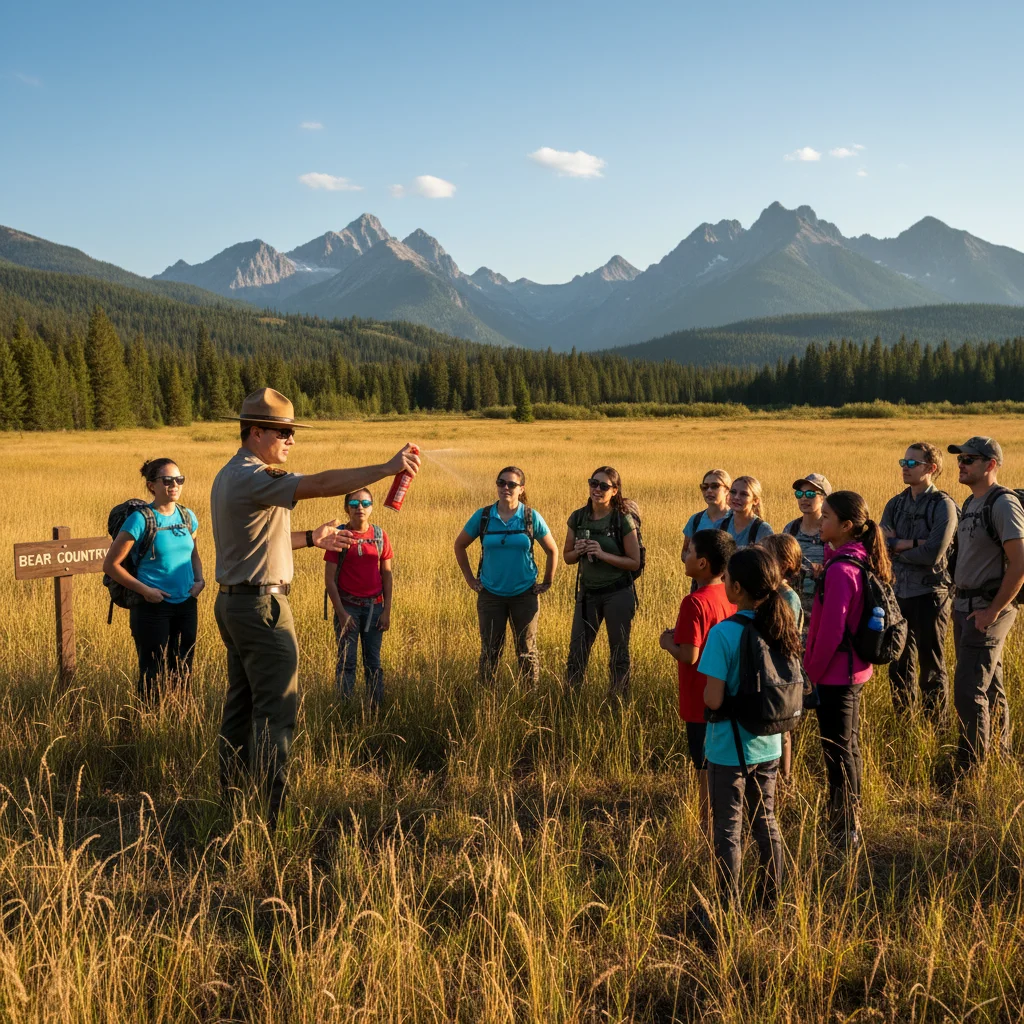
The response shifts significantly if a bear approaches or exhibits defensive behavior. For black bears, if it appears to be a predatory attack (the bear is approaching silently, intensely, and stalking you), fight back aggressively using anything at your disposal. For grizzly bears, if it’s a defensive attack (the bear is protecting cubs or a food source, often huffing, swatting, or making mock charges), play dead by lying on your stomach, protecting your neck and head. However, if a grizzly attack becomes predatory, you must fight back. These nuanced responses highlight the importance of understanding bear behavior and species identification.
Post-Encounter Actions and Reporting Requirements
After any bear encounter, especially one involving close proximity or aggressive behavior, it’s crucial to take specific post-encounter actions. Your immediate safety is the top priority, so ensure you are in a secure location before doing anything else. Once safe, assess yourself and your companions for any injuries, even minor ones. Sometimes, adrenaline can mask pain, so a thorough check is always advisable. It’s also important to reflect on the encounter, recalling as many details as possible, as this information will be vital for park authorities.
Reporting the incident is a mandatory step. Even if the encounter seemed benign, park rangers need to know about bear activity to monitor populations, identify potential problem bears, and adjust safety protocols or advisories. When reporting, be prepared to provide details such as the date and time, location, estimated size and color of the bear, its behavior, and any actions you took. This information helps park staff understand patterns and implement targeted interventions if necessary, ensuring the safety of future visitors and the bears themselves.
Furthermore, an encounter can be a learning experience. Take time to review what happened, what you did correctly, and what could have been done differently. Share your experience with others to help educate them about bear safety. Many parks also offer post-encounter support or counseling, especially if the event was particularly traumatic. By following these steps, you not only contribute to your own well-being but also to the broader effort of promoting responsible coexistence with wildlife in our national parks.
Frequently Asked Questions
Q: Is bear spray effective against all types of bears?
A: Bear spray is generally effective against both black bears and grizzly bears. Its primary function is to deter an aggressive bear by irritating its eyes and respiratory system, giving you time to escape. Proper deployment and accessibility are key to its effectiveness.
Q: Should I play dead for a black bear attack?
A: No, generally you should not play dead for a black bear attack. If a black bear is attacking, it’s often predatory, and you should fight back aggressively. Playing dead is typically reserved for defensive grizzly bear attacks.
Q: How do I store food properly in a national park?
A: Always use bear-resistant containers, hang food from a tree using a bear bag system, or store it in a hard-sided vehicle. Never keep food or scented items in your tent. Check park-specific regulations as requirements can vary.
Q: What are common signs of bear presence?
A: Common signs include bear scat (droppings), tracks in mud or snow, claw marks on trees, overturned rocks or logs (from foraging), and excavated holes in the ground. Being aware of these signs helps you avoid surprising a bear.
Q: Can I hike alone in bear country?
A: While possible, hiking alone in bear country increases your risk. It’s generally safer to hike in groups, as the noise and presence of multiple people often deter bears. If you must hike alone, be extra vigilant and make noise regularly.
Official Resources
- National Park Service – Bear Safety
- BearWise – Living with Bears
- USDA Forest Service – Bear Safety
- U.S. Fish & Wildlife Service – Grizzly Bear Recovery
Conclusion
Navigating national parks safely requires a thoughtful approach, especially when sharing the landscape with bears. The updated bear safety protocols reflect a continuous effort by park authorities to enhance visitor safety and promote harmonious coexistence with wildlife. By understanding these changes, equipping yourself with the right gear, and practicing responsible behavior on trails and at campsites, you significantly reduce the risk of adverse encounters. Remember that prevention is always the best strategy, involving making noise, storing food properly, and being aware of your surroundings.
Should an encounter occur, remaining calm and knowing the appropriate response for the specific bear species and situation can make all the difference. Always report any bear sightings or incidents to park staff, as this vital information contributes to ongoing conservation efforts and helps refine future safety guidelines. By taking these steps, you not only protect yourself but also play an active role in preserving the wild beauty and ecological balance of our precious national parks for generations to come. Stay informed, stay prepared, and enjoy the wonders of nature responsibly.
