Boost Your Hiking Endurance: 12-Week Training Plan
Embarking on a challenging hiking adventure requires more than just a good pair of boots and a map; it demands excellent hiking endurance training. Whether you’re planning a multi-day trek or tackling a steep summit, preparing your body is key to a safe and enjoyable experience. This comprehensive 12-week training plan is meticulously designed to build your stamina, strength, and resilience, ensuring you’re ready to face any trail that comes your way. We’ll guide you through progressive workouts, essential nutrition advice, and crucial recovery techniques to transform you into a more capable hiker.
Many hikers underestimate the physical demands of long and challenging trails, leading to fatigue, discomfort, and even injury. Our structured approach aims to prevent these common pitfalls by gradually increasing your fitness levels. By following this plan, you’ll not only enhance your physical capabilities but also develop the mental toughness needed to push through difficult sections. Get ready to elevate your hiking game and discover new limits with this ultimate guide to boosting your hiking endurance.
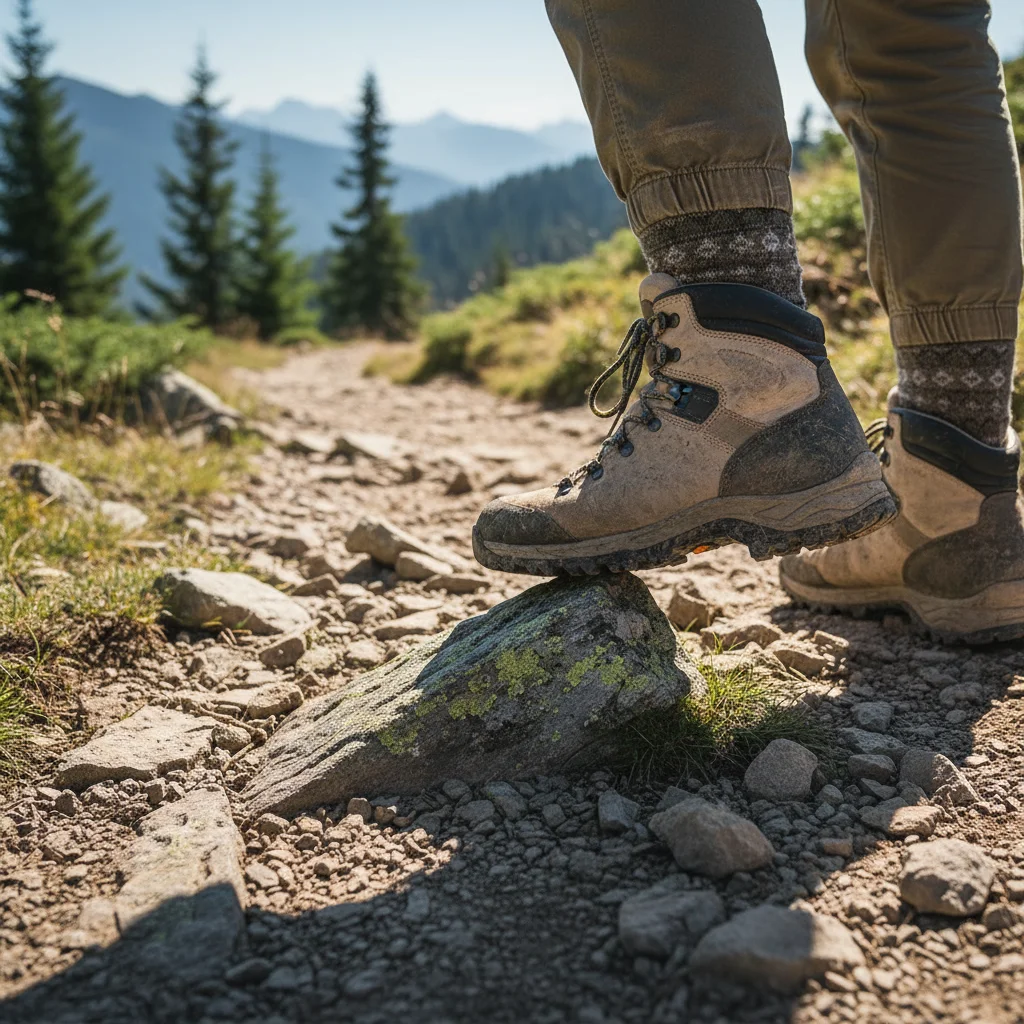
Building Foundational Strength for Hiking Endurance
Before you can conquer steep ascents and long distances, it’s crucial to establish a solid foundation of strength. This phase focuses on developing core stability, leg power, and overall body strength, which are all vital components of effective hiking endurance. Weak muscles can lead to inefficient movement, increased fatigue, and a higher risk of injury, especially when carrying a pack over uneven terrain. Therefore, our initial weeks are dedicated to exercises that target these critical areas, preparing your body for the more intense training to come.
Incorporating a mix of bodyweight exercises, free weights, and resistance training will provide a well-rounded approach to strength building. Remember to focus on proper form to maximize effectiveness and minimize the risk of injury. Consistency is paramount during this foundational period; aim for 2-3 strength training sessions per week, allowing for adequate rest between workouts. Listen to your body and adjust intensity as needed, especially if you are new to strength training.
Key Strength Exercises for Hikers
- Squats and Lunges: These exercises are fundamental for building leg strength, targeting your quadriceps, hamstrings, and glutes, which are heavily engaged during ascents and descents. Start with bodyweight and gradually add dumbbells or a barbell as you get stronger.
- Deadlifts (Romanian or Conventional): Excellent for strengthening the posterior chain (hamstrings, glutes, lower back), crucial for carrying weight and maintaining good posture on the trail. Proper form is essential to avoid back injury.
- Step-Ups: Mimic the motion of climbing and stepping over obstacles on a trail. Use a sturdy box or bench and alternate legs, adding weight as you progress.
- Planks and Core Exercises: A strong core provides stability, improves balance, and helps prevent lower back pain, especially when wearing a backpack. Include various plank variations, Russian twists, and leg raises.
- Upper Body Work (Rows, Push-ups): While hiking is primarily leg-driven, a strong upper body helps manage a backpack, use trekking poles effectively, and navigate tricky sections. Incorporate push-ups, rows (dumbbell or resistance band), and shoulder presses.
Each session should include a warm-up of light cardio and dynamic stretches, followed by 3-4 sets of 8-12 repetitions for each exercise. Conclude with a cool-down of static stretches, holding each stretch for 20-30 seconds. This systematic approach ensures your muscles are adequately prepared and recover properly, setting the stage for significant improvements in your hiking endurance.
Progressive Cardiovascular Conditioning
Once you’ve established a solid strength base, the next crucial step in maximizing your hiking endurance is to progressively build your cardiovascular fitness. This involves training your heart and lungs to efficiently deliver oxygen to your working muscles, allowing you to sustain effort for longer periods without becoming overly fatigued. Challenging trails often involve sustained climbs and long distances, making a robust cardiovascular system indispensable. Our plan integrates various forms of cardio to simulate the diverse demands of hiking, ensuring you’re prepared for any terrain.
The key to effective cardiovascular conditioning is gradual progression. Starting too intensely can lead to burnout or injury, while not pushing yourself enough will yield minimal results. We recommend a mix of steady-state cardio, like long walks or jogs, and interval training, which involves alternating between high and low intensity. This varied approach not only improves aerobic capacity but also enhances your body’s ability to recover during brief rests, much like you would on a trail.
For the initial weeks of this phase, focus on increasing the duration of your steady-state activities. Aim for at least three sessions per week, gradually extending the time from 30 minutes to 60-90 minutes. Incorporate incline walking on a treadmill or finding hilly routes outdoors to better simulate hiking conditions. As your fitness improves, you can introduce interval training, such as short bursts of faster walking or jogging followed by recovery periods, to further boost your cardiovascular efficiency. This methodical increase in workload is vital for developing the stamina required for extended treks.
Remember that consistency trump’s intensity, especially in the early stages. It’s better to complete three moderate workouts than to attempt one super-intense session and then be too sore or tired to train again for days. Pay attention to your body’s signals, and don’t hesitate to take rest days when needed. Proper hydration and nutrition also play a significant role in supporting your cardiovascular training, ensuring your body has the fuel it needs to perform and recover. By diligently following this progressive conditioning, you’ll notice a remarkable improvement in your ability to maintain a steady pace on even the most demanding trails, a hallmark of excellent hiking endurance.
Incorporating Specificity and Trail Simulation
As your foundational strength and cardiovascular fitness grow, it becomes essential to introduce training that specifically mimics the demands of hiking. This concept, known as specificity, ensures that your body adapts to the exact movements, loads, and conditions you’ll encounter on challenging trails. Simply running on a flat treadmill won’t fully prepare you for navigating uneven terrain, carrying a heavy pack, or enduring a steep, sustained climb. Therefore, this phase of our hiking endurance training plan focuses on making your workouts as trail-like as possible.
One of the most effective ways to achieve specificity is to start hiking more frequently, gradually increasing the duration, elevation gain, and pack weight. If possible, seek out trails that resemble your target adventure in terms of terrain – rocky, root-filled, or sandy paths will challenge your balance and ankle stability differently than paved routes. Wearing your actual hiking boots during these training hikes is also crucial, as it allows your feet to break them in and adapt before your big trip, preventing blisters and discomfort.
Beyond actual hiking, you can simulate trail conditions in a gym setting. Using a StairMaster or incline treadmill at a high gradient can effectively mimic uphill climbs. When using a treadmill, avoid holding onto the handrails, as this reduces the workload and compromises the training effect. Incorporate weighted vests or backpacks with increasing loads during these sessions to get your body accustomed to carrying weight, which is a fundamental aspect of most challenging hikes. Start with a lighter pack and progressively add weight each week, ensuring you maintain good posture and form.
Cross-training activities can also contribute to trail specificity. Activities like trail running, mountain biking, or even bouldering can improve balance, agility, and leg power in ways that are highly beneficial for hiking. These activities engage different muscle groups and movement patterns, helping to build a more robust and adaptable body. Remember to maintain a balance between these specific training methods and your general strength and cardio workouts to ensure comprehensive fitness development. This integrated approach will significantly enhance your preparedness for any challenging trail, boosting your overall hiking endurance and confidence.
Nutrition, Hydration, and Recovery Strategies
Achieving peak hiking endurance isn’t solely about physical exertion; it’s equally dependent on how you fuel and recover your body. Proper nutrition and hydration are the foundations upon which your training adaptations are built, providing the energy needed for workouts and the nutrients essential for muscle repair and growth. Neglecting these aspects can lead to diminished performance, prolonged fatigue, and an increased risk of injury, undermining all your hard work. Therefore, integrating smart nutrition and effective recovery into your 12-week plan is non-negotiable for optimal results.
Your diet should be rich in complex carbohydrates, lean proteins, and healthy fats. Complex carbohydrates, found in whole grains, fruits, and vegetables, provide sustained energy for long training sessions and hikes. Lean proteins, from sources like chicken, fish, beans, and lentils, are vital for muscle repair and rebuilding after strenuous activity. Healthy fats, present in avocados, nuts, and olive oil, offer a concentrated energy source and support overall bodily functions. Aim for balanced meals and snacks throughout the day to keep your energy levels stable and support continuous recovery.

Hydration is another critical component often overlooked. Dehydration can severely impact your performance, leading to fatigue, muscle cramps, and impaired cognitive function. Make it a habit to drink water consistently throughout the day, not just during workouts. During longer training hikes, carry enough water or a filtration system and consider electrolyte drinks to replenish lost minerals. Proper hydration supports nutrient transport, regulates body temperature, and lubricates joints, all essential for maintaining high levels of hiking endurance.
Equally important are your recovery strategies. Sleep is arguably the most powerful recovery tool; aim for 7-9 hours of quality sleep per night to allow your body to repair and rejuvenate. Active recovery, such as light walking or stretching on rest days, can also promote blood flow and reduce muscle soreness. Incorporate foam rolling or massage to address muscle tightness and improve flexibility. By prioritizing nutrition, hydration, and recovery, you’ll not only enhance your physical capacity but also ensure your body is resilient and ready for the demands of any challenging trail, truly maximizing your hiking endurance.
Mental Fortitude and Injury Prevention
While physical preparation is paramount, the mental aspect of conquering challenging trails cannot be overstated. Developing mental fortitude is just as crucial as building physical strength and stamina for achieving optimal hiking endurance. Long hikes often involve moments of discomfort, self-doubt, and unexpected challenges. Your ability to push through these mental barriers, maintain a positive attitude, and make sound decisions under duress will significantly impact your success and enjoyment on the trail. This phase of our plan emphasizes strategies to strengthen your mind alongside your body.
One effective technique for building mental toughness is visualization. Before your hikes or challenging training sessions, spend time envisioning yourself successfully completing the task, overcoming obstacles, and reaching your goal. This mental rehearsal can build confidence and prepare you for real-world scenarios. During actual training, practice mindfulness and focus on your breath, especially during difficult moments. Breaking down a long ascent into smaller, manageable segments can also make it feel less daunting, helping you maintain a steady pace and positive outlook.
Equally important is a proactive approach to injury prevention. Even the fittest hikers can fall victim to injuries if they neglect proper care and technique. This includes listening to your body and not pushing through sharp pain. Incorporate regular stretching and mobility exercises into your routine to maintain flexibility and range of motion, particularly in your hips, hamstrings, and ankles. Strengthening stabilizer muscles around your knees and ankles through balance exercises can also significantly reduce the risk of sprains and strains on uneven terrain.
Investing in appropriate gear is another key aspect of injury prevention. High-quality hiking boots that fit well and provide adequate ankle support are essential. Trekking poles can offload stress from your knees, improve balance, and aid stability on steep or slippery sections. Furthermore, understanding basic first aid and carrying a well-stocked first aid kit are non-negotiable for any challenging hike. By combining robust physical training with mental resilience and diligent injury prevention, you’ll not only maximize your hiking endurance but also ensure a safer, more enjoyable, and ultimately more rewarding experience on every trail you explore.
Frequently Asked Questions
Q: How often should I train for a challenging hike?
A: For optimal hiking endurance, aim for 3-5 training sessions per week, including a mix of strength training, cardiovascular conditioning, and specific trail simulation hikes. Consistency is more important than extreme intensity.
Q: What should I eat during a long training hike?
A: Focus on easily digestible carbohydrates for quick energy, such as energy bars, gels, dried fruit, or pretzels. Include some protein and healthy fats for sustained energy on longer efforts. Don’t forget to hydrate with water and electrolytes.
Q: Can I train entirely indoors for hiking endurance?
A: While indoor training (treadmills, StairMasters, strength equipment) can build a strong base, it’s crucial to include outdoor hikes on varied terrain. This helps adapt your body to uneven surfaces, weather conditions, and the specific demands of trail walking.
Q: How do I prevent blisters on long hikes?
A: Ensure your hiking boots are well broken-in and fit properly. Wear moisture-wicking socks, and consider double-layer socks or applying moleskin to hot spots before they become blisters. Address any discomfort immediately.
Q: What’s the most important aspect of a 12-week hiking plan?
A: The most important aspect is progressive overload – gradually increasing the intensity, duration, or difficulty of your workouts. This systematic approach ensures your body continuously adapts and improves, building robust hiking endurance over time.
Official Resources
- National Park Service: Hiking Safety
- USDA Forest Service: Hiking Safety Tips
- Mayo Clinic: Walking for fitness
- REI Co-op: Expert Advice – Hiking
Conclusion
Embarking on a 12-week training plan to maximize your hiking endurance is a commitment that promises profound rewards. By systematically building foundational strength, progressively enhancing cardiovascular fitness, and incorporating trail-specific training, you are setting yourself up for success on even the most challenging trails. Remember that your journey to improved hiking performance is a holistic one, encompassing not just physical workouts but also diligent nutrition, strategic hydration, and thoughtful recovery. These elements work in concert to create a resilient, capable body ready for adventure.
Beyond the physical, cultivating mental fortitude and prioritizing injury prevention are equally vital. The ability to stay positive, focused, and adaptable when faced with trail difficulties will elevate your hiking experience from merely enduring to truly thriving. This comprehensive plan provides the roadmap; now it’s up to you to lace up your boots, commit to the process, and embark on a transformative journey. Get ready to explore new horizons, push your limits, and discover the incredible satisfaction of conquering challenging trails with newfound hiking endurance and confidence.
