Optimize Your Outdoor Budget: Save 20% on Gear Easily
Embarking on outdoor adventures is a fantastic way to connect with nature and challenge yourself. However, the cost of quality gear can sometimes deter even the most enthusiastic explorers. Learning to optimize your outdoor budget is key to enjoying these experiences without breaking the bank, and with the right strategies, you can easily save 20% or more on your essential equipment.
This article will guide you through five expert strategies designed to help you make smart purchasing decisions and extend the life of your gear. By implementing these tips, you’ll find that enjoying the great outdoors doesn’t have to be an expensive hobby. We’ll cover everything from smart shopping tactics to effective maintenance, ensuring your adventures are both thrilling and affordable.
Strategic Off-Season Shopping and Sales Hunting
One of the most effective ways to optimize your outdoor budget is by timing your purchases strategically. Retailers often clear out inventory at the end of a season to make room for new models, leading to significant discounts. For example, buying winter camping gear in late spring or summer can yield substantial savings, as demand is much lower. Similarly, summer hiking apparel might be heavily discounted in the fall.
Beyond seasonal sales, keep an eye out for major holiday sales events like Black Friday, Cyber Monday, or even specific outdoor retailer anniversary sales. Subscribing to newsletters from your favorite outdoor brands can give you early access to these promotions and exclusive discounts. Many brands also offer loyalty programs that provide points or special offers, further reducing costs over time. Patience and planning are crucial here; instead of buying gear impulsively when you need it, anticipate your needs and wait for the best deals to emerge.
Don’t forget to check the ‘clearance’ or ‘outlet’ sections of websites and physical stores. These sections are specifically designed to move older inventory, and while you might not find the absolute latest model, you can often secure high-quality gear at a fraction of its original price. Sometimes, the differences between last year’s model and the current one are minimal, making the older version a much smarter financial choice. Always compare prices across different retailers before making a final decision.
Embrace Used and Refurbished Gear Options
The idea of buying used gear might seem unappealing to some, but it’s a goldmine for those looking to optimize their outdoor budget. Many outdoor enthusiasts upgrade their equipment regularly, leaving perfectly functional and high-quality items available on the secondary market. Websites like eBay, Facebook Marketplace, and specialized outdoor gear forums are excellent places to find pre-owned tents, backpacks, sleeping bags, and more at significantly reduced prices.
Beyond online platforms, consider local consignment shops, thrift stores, and gear swap events. These venues often have hidden gems, from barely used hiking boots to durable camping stoves. Always inspect used items thoroughly for wear and tear, and ask questions about their history. For technical items like climbing ropes or safety equipment, purchasing new is generally recommended, but for many other items, used is a perfectly viable and budget-friendly option.
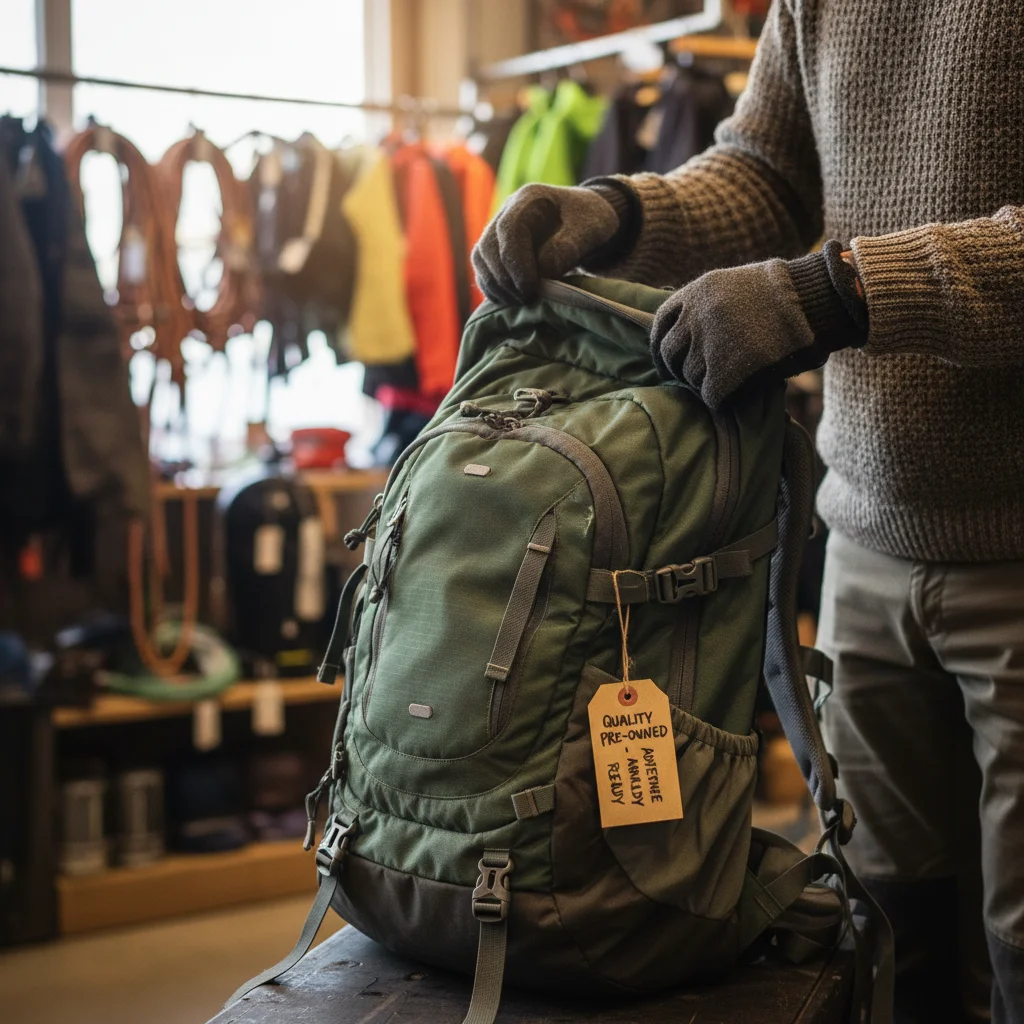
Some reputable outdoor brands also offer refurbished gear programs. These programs involve items that were returned, repaired, and then resold at a lower price, often with a warranty. This offers a great balance between cost savings and peace of mind, as the gear has been professionally inspected and restored. By embracing used and refurbished options, you can access premium brands and quality without the premium price tag, helping you stretch your adventure dollars further.
Prioritize Multi-Functional Gear and DIY Solutions
To truly optimize your outdoor budget, think smart about versatility. Investing in multi-functional gear means you buy fewer items overall, saving money and reducing the weight of your pack. For instance, a quality insulated jacket that can serve as both an outer layer in mild conditions and a mid-layer in colder weather eliminates the need for two separate purchases. Similarly, a tarp can act as a rain shelter, ground cloth, or even an emergency stretcher, making it incredibly versatile.
Consider items that can be adapted for different activities. A good quality hiking backpack might also work for short backpacking trips, or a sturdy pair of trail running shoes could double as light hiking footwear. Before buying any new piece of equipment, ask yourself if an item you already own, or a more versatile option, could serve the same purpose. This approach encourages mindful consumption and prevents unnecessary spending on single-use items.
DIY Gear Hacks
- Emergency Kits: Assemble your own first-aid kit using items from a local pharmacy rather than buying an expensive pre-packaged one.
- Food Preparation: Dehydrate your own meals at home instead of purchasing costly freeze-dried options for backpacking.
- Shelter Alternatives: Use a simple tarp and trekking poles to create a lightweight, affordable shelter instead of a heavy tent for certain trips.
- Repair Patches: Create your own repair patches from old gear fabric instead of buying specialized kits for minor tears.
Embracing DIY solutions extends beyond just gear; it also applies to skills. Learning basic repair techniques for your tent, clothing, or backpack can save you from replacing items prematurely. A little bit of sewing knowledge or patch application can significantly prolong the life of your equipment. These small efforts contribute greatly to long-term savings and a more sustainable approach to outdoor adventures.
Mastering Gear Maintenance and Repair
One of the most overlooked aspects of saving money on outdoor gear is proper maintenance and timely repairs. High-quality gear is an investment, and like any investment, it performs best and lasts longest with care. Regularly cleaning, drying, and storing your equipment correctly can prevent premature wear and tear, significantly extending its lifespan. For instance, cleaning your tent after each trip removes dirt and debris that can degrade the fabric and zippers over time.
Waterproofing treatments for jackets and boots wear off with use, but reapplying them is far cheaper than buying new items. Learning simple repair skills, such as patching a hole in a sleeping pad or replacing a broken zipper pull on a backpack, can save you from having to replace an entire item. Many outdoor brands also offer repair services or provide spare parts, making it easier to fix minor issues rather than discarding functional gear.
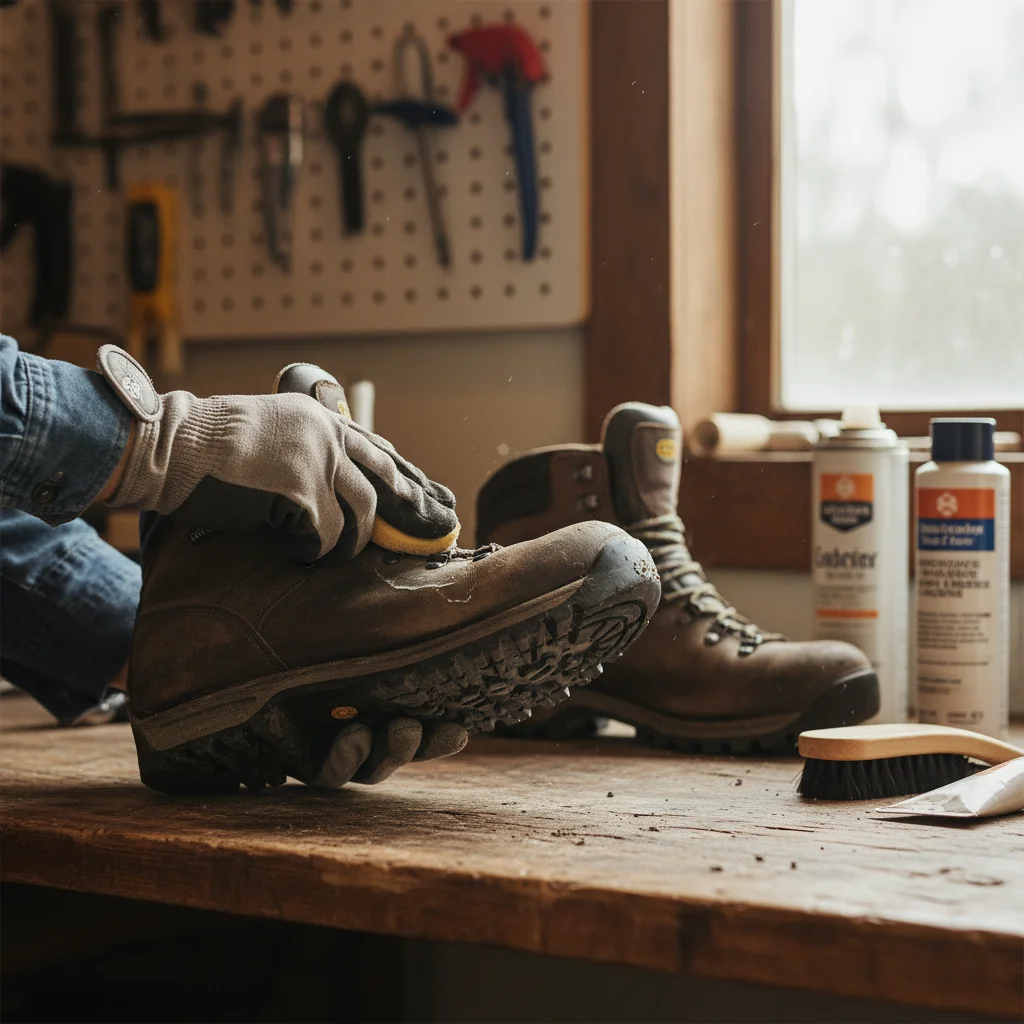
Think of maintenance as an ongoing commitment that pays dividends. After a muddy hike, don’t just toss your boots in the closet; clean them thoroughly, let them air dry, and condition the leather if applicable. For technical clothing, follow washing instructions carefully, using appropriate detergents that won’t damage specialized fabrics. By taking proactive steps to care for your gear, you not only optimize your outdoor budget by delaying replacements but also ensure your equipment is always ready and reliable for your next adventure.
Rent or Borrow Gear for Occasional Use
Not every piece of outdoor gear needs to be owned, especially if you only use it once or twice a year. Renting or borrowing equipment is an excellent strategy to optimize your outdoor budget for specialized or infrequently used items. Think about activities like ice climbing, backcountry skiing, or even large group camping trips that require expensive, specialized gear. Purchasing all of this equipment outright can be incredibly costly, making rental a far more economical choice.
Many outdoor shops, university outdoor programs, and even some National Parks offer gear rental services. You can often rent anything from kayaks and paddleboards to backpacking tents and climbing harnesses for a fraction of the purchase price. This not only saves you money but also reduces storage needs and the hassle of maintenance for items you rarely use. Before your next big adventure, research rental options in your area.
Another fantastic, budget-friendly option is to borrow gear from friends or family. If you have a friend who’s an avid camper but you only go once a year, ask if you can borrow their extra sleeping bag or camp stove. This fosters community and shared resources, which is a great aspect of the outdoor lifestyle. Just remember to return borrowed items promptly and in excellent condition, perhaps even cleaned and ready for their next use, to maintain good relationships.
By strategically renting or borrowing, you avoid the significant upfront cost of niche items and ensure you always have access to the right equipment for your specific adventure. This approach allows you to try out different activities without a major financial commitment, helping you discover new passions without breaking the bank. It’s a smart way to expand your outdoor experiences while keeping a tight rein on your spending.
Frequently Asked Questions
How can I find good deals on outdoor gear?
The best way to find good deals is by shopping during off-season sales (e.g., winter gear in summer), checking clearance sections, and subscribing to retailer newsletters for exclusive discounts. Major holiday sales events like Black Friday are also excellent times to find significant price reductions.
Is used outdoor gear safe to buy?
For most items like backpacks, tents, and clothing, used gear is generally safe and a great way to save money. However, for critical safety equipment such as climbing ropes, harnesses, or helmets, it’s highly recommended to purchase new to ensure they meet current safety standards and haven’t been compromised.
What kind of gear should I always buy new?
Items critical for safety, such as climbing ropes, harnesses, helmets, and sometimes technical footwear like mountaineering boots, are best purchased new. This ensures you have the latest safety features and that the gear hasn’t been subjected to unknown stressors or damage that could compromise its integrity.
How often should I re-waterproof my gear?
The frequency depends on how often you use your gear and the conditions it’s exposed to. Generally, re-waterproofing rain jackets, pants, and hiking boots once a season or after every 10-12 uses is a good guideline to maintain their protective qualities.
Can I really save 20% on outdoor gear by following these tips?
Absolutely! By combining strategies like off-season shopping, embracing used gear, focusing on multi-functional items, and diligent maintenance, many outdoor enthusiasts report saving 20% or more annually on their gear budget. Smart planning and patience are key to maximizing these savings.
Official Resources
- REI Used Gear Program
- Patagonia Worn Wear (Used Gear)
- National Park Service (Gear recommendations and safety)
- U.S. Forest Service (Outdoor ethics and safety)
Conclusion
Optimizing your outdoor budget doesn’t mean sacrificing quality or adventure; it means making smarter, more informed choices. By implementing the five expert strategies discussed—strategic off-season shopping, embracing used and refurbished gear, prioritizing multi-functional items and DIY solutions, mastering gear maintenance, and utilizing rental or borrowing options—you can significantly reduce your expenses. These approaches empower you to access high-quality equipment without the premium price tag, ensuring your outdoor pursuits remain both accessible and enjoyable.
Remember, a well-maintained piece of gear lasts longer, and a thoughtfully acquired item serves multiple purposes, both contributing to substantial savings over time. The thrill of the outdoors is for everyone, regardless of budget. Start applying these tips today to stretch your adventure dollars further, explore more, and experience the beauty of nature without financial stress. Your next great adventure awaits, fully equipped and affordably funded.
