National Parks Gear: 7 Essential Backcountry Upgrades
Venturing into the breathtaking wilderness of our national parks offers unparalleled experiences, but it also demands respect for nature and thorough preparation. To truly enjoy and safely navigate these pristine environments, having the right National Parks gear is not just a recommendation—it’s a necessity. Upgrading your equipment can significantly enhance both your safety and comfort, transforming a challenging trek into a memorable journey.
Whether you’re a seasoned backpacker or planning your first multi-day excursion, investing in modern, high-performance gear makes a world of difference. This article will guide you through seven essential National Parks gear upgrades that every backcountry enthusiast should consider to ensure a more enjoyable and secure adventure.
Advanced Navigation Tools for Remote Trails
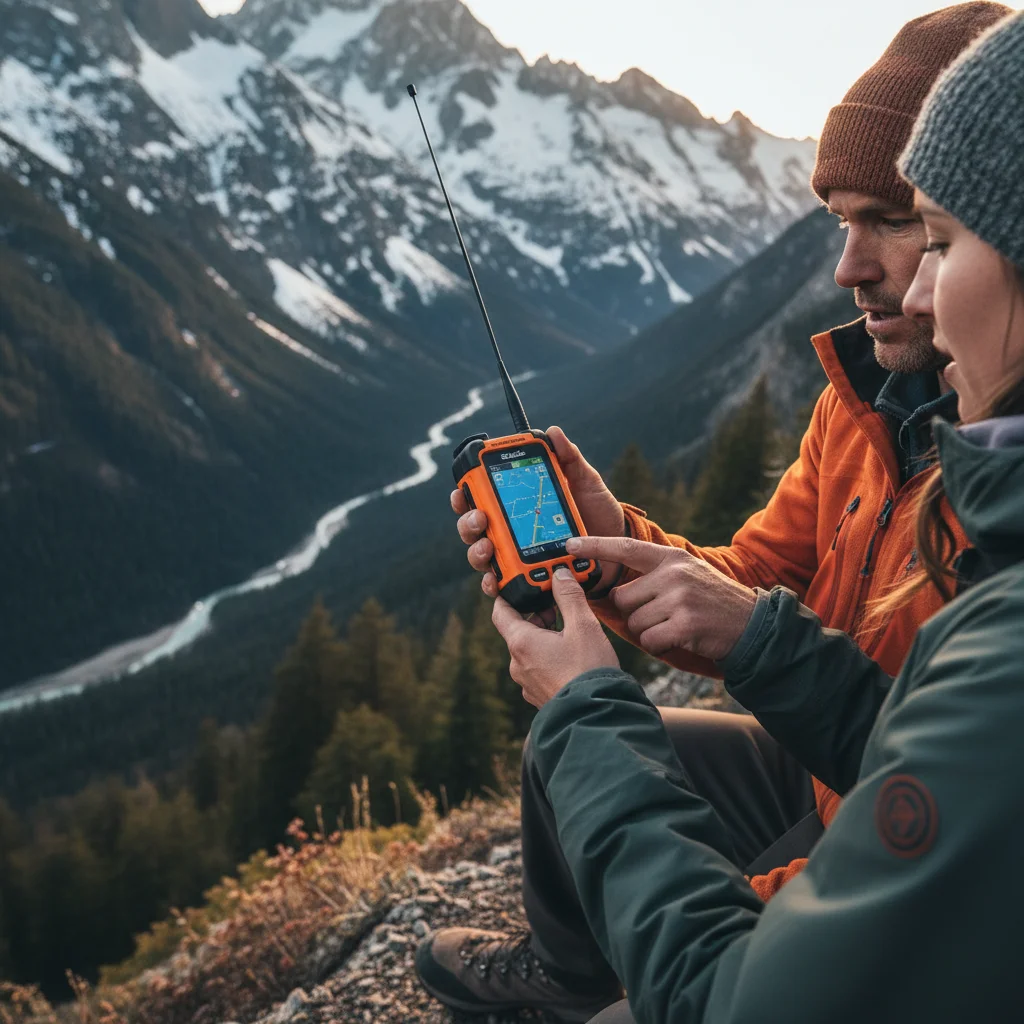
Reliable navigation is paramount when exploring the backcountry, especially in vast and often unmarked national park territories. While traditional maps and compasses remain foundational skills, modern technology offers powerful enhancements. Upgrading your navigation tools can mean the difference between a minor detour and a serious emergency, providing peace of mind as you traverse unfamiliar terrain. Modern GPS devices and satellite communicators offer real-time location tracking, emergency signaling capabilities, and often, downloadable topographic maps that are far more detailed than paper versions.
These devices are designed to be rugged, waterproof, and have long battery lives, making them ideal for extended trips where charging opportunities are scarce. They can pinpoint your exact location, record your route, and even help you find your way back if you get disoriented. Some models also allow you to send pre-set messages or track your progress, which can be invaluable for loved ones or park rangers needing to know your whereabouts.
Why Upgrade Your Navigation?
- Enhanced Accuracy: GPS units provide precise location data, often within a few feet, far surpassing the accuracy of relying solely on visual landmarks or older mapping techniques.
- Emergency Communication: Satellite communicators allow you to send SOS signals and communicate from areas without cell service, a critical safety net in remote backcountry.
- Offline Maps: Many devices support downloadable maps, ensuring you have detailed topographical information even when offline, which is crucial for route planning and avoiding hazards.
- Durability: Modern navigation tools are built to withstand harsh outdoor conditions, including drops, water, and extreme temperatures, ensuring they function when you need them most.
Investing in a high-quality GPS unit or a satellite messenger is a smart move for anyone serious about backcountry travel. It’s an upgrade that enhances safety, provides reliable communication, and empowers you to explore more confidently, knowing you have a robust navigation system at your fingertips.
Lightweight and Durable Backpacks for Extended Trips
The foundation of any successful backcountry trip is a comfortable and efficient pack. An outdated or ill-fitting backpack can quickly turn an enjoyable hike into an agonizing ordeal, leading to discomfort, fatigue, and even injury. Upgrading to a modern, lightweight, and durable backpack is one of the most impactful National Parks gear improvements you can make. Contemporary packs are designed with advanced ergonomics, superior materials, and innovative features that distribute weight more effectively and reduce strain on your body, allowing you to carry essential gear with greater ease.
These new generation backpacks often feature adjustable suspension systems, breathable back panels, and strategically placed pockets for quick access to items. The use of high-tech fabrics, such as ripstop nylon or Dyneema, significantly reduces the pack’s weight without compromising its strength or resistance to tears and abrasions. A lighter base weight means you can cover more ground with less effort, or carry more critical supplies like extra water or food without feeling overburdened.
Consider a pack that matches your typical trip duration and capacity needs. For example, a multi-day trip will require a larger volume pack (60-75 liters) compared to an overnight trip (30-50 liters). Ensure the pack fits your torso length correctly, as this is crucial for proper weight distribution and comfort. Many outdoor retailers offer fitting services to help you find the perfect match. A well-fitted, lightweight, and durable backpack will not only make your current adventures more pleasant but will also last for many years of explorations.
Advanced Water Filtration Systems for Hydration Safety
Access to safe drinking water is non-negotiable in the backcountry. Relying solely on bottled water is impractical and heavy for extended trips, making an efficient water filtration or purification system an absolute essential for your National Parks gear. While older methods like purification tablets or boiling are effective, modern filtration systems offer superior convenience, speed, and taste, ensuring you stay hydrated without carrying excessive weight or waiting long periods.
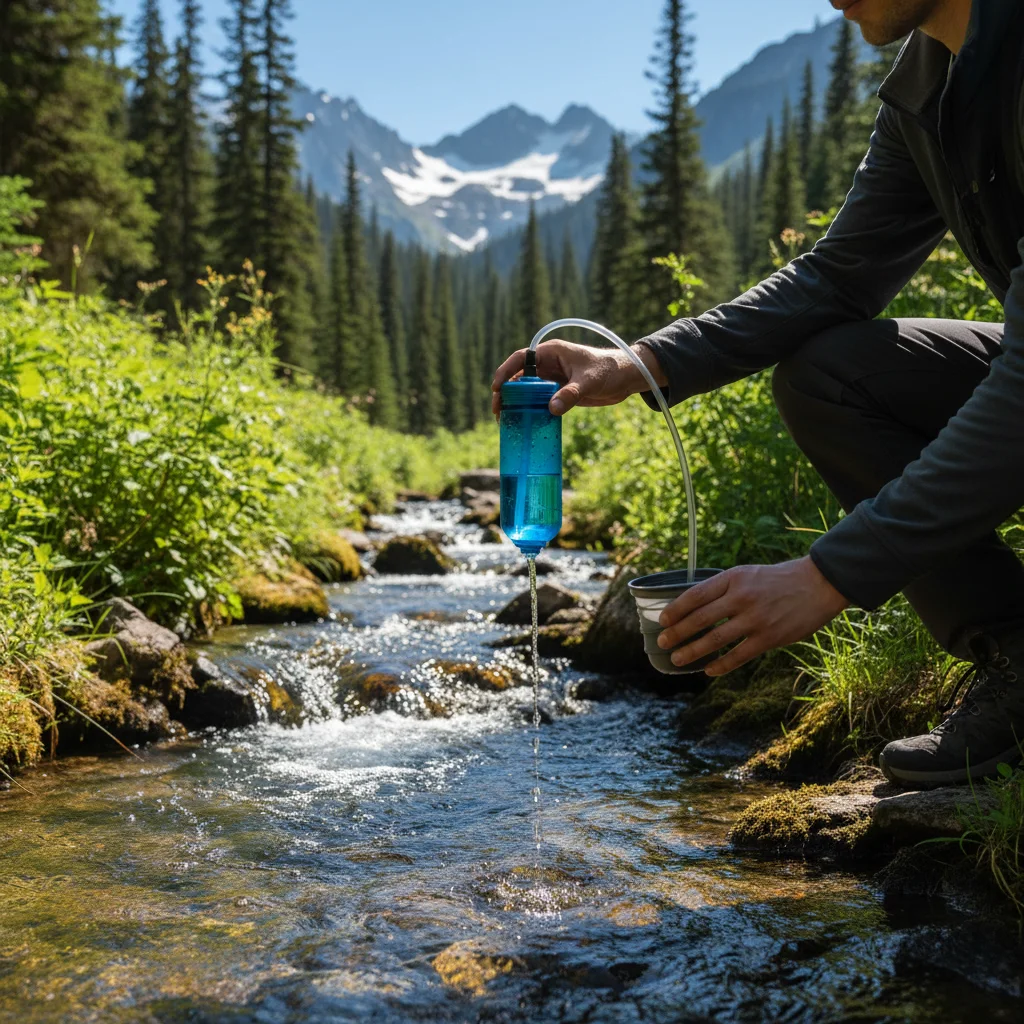
Upgrading to an advanced water filter or purifier can significantly improve your backcountry experience. These systems come in various forms, including squeeze filters, pump filters, gravity filters, and even UV purifiers. Each type offers different advantages in terms of flow rate, ease of use, and the types of contaminants they remove. For instance, a squeeze filter is lightweight and fast for personal use, while a gravity filter is excellent for groups or camp-based hydration, requiring minimal effort to produce large quantities of clean water.
The latest filters can remove bacteria, protozoa, and microplastics, with some purifiers also tackling viruses. This comprehensive protection is vital when sourcing water from unpredictable natural sources. Always check the filter’s specifications to ensure it meets your needs for the specific region you’re exploring, as some areas may have unique waterborne threats. Having a reliable water treatment method means you can confidently refill from streams, lakes, and springs, significantly reducing the amount of water you need to carry and lightening your load.
High-Performance Shelter for All Weather Conditions
Your shelter is your sanctuary in the wild, protecting you from the elements and providing a crucial sense of security. An outdated or inadequate tent can quickly turn a beautiful night under the stars into a miserable ordeal, especially when unexpected weather rolls in. Upgrading your tent or shelter is a key National Parks gear improvement, offering better protection, lighter weight, and increased durability against the unpredictable conditions found in national parks.
Modern tents are engineered with advanced materials and designs that provide superior weather resistance without adding unnecessary bulk. Look for tents made with lightweight yet strong fabrics like silnylon or Dyneema Composite Fabric (DCF), which offer excellent waterproofing and tear resistance. Features like robust pole structures, reinforced seams, and effective ventilation systems are critical for enduring high winds, heavy rain, and condensation, keeping you dry and comfortable no matter the forecast.
Consider the seasonality of your trips when choosing an upgrade. A three-season tent is versatile for most spring, summer, and fall excursions, offering a good balance of weight and protection. For winter adventures or high-altitude environments, a four-season tent provides enhanced warmth and structural integrity against snow loads and extreme winds. Many modern shelters also offer modular designs, allowing you to pitch just the fly and footprint for ultralight trips or add a full inner tent for maximum protection.
Investing in a high-performance shelter means you’ll have a reliable haven that can withstand the rigors of the backcountry, ensuring restful nights and renewed energy for your daily explorations. It’s an upgrade that directly impacts your comfort, safety, and overall enjoyment of the national park experience, allowing you to fully immerse yourself in nature without worrying about your protection from the elements.
Efficient Cooking Systems for Backcountry Meals
Enjoying a warm, nutritious meal after a long day on the trail is one of the simple pleasures of backcountry camping. However, an inefficient or unreliable cooking system can quickly become a source of frustration, wasting precious fuel and time. Upgrading your backcountry cooking setup is an excellent National Parks gear enhancement, leading to faster boil times, greater fuel efficiency, and a more enjoyable culinary experience in the wilderness.
Modern stove systems have come a long way from bulky, slow-heating models. Integrated canister systems, for example, are incredibly efficient, boiling water in just a few minutes and often nesting compactly for easy packing. These systems typically consist of a burner, pot, and sometimes a heat exchanger, all designed to work together seamlessly to maximize fuel efficiency. This means you carry less fuel for the same number of meals, reducing your pack weight and environmental impact.
Beyond the stove, consider upgrading your cookware to lightweight, durable options made from anodized aluminum or titanium. These materials conduct heat efficiently, are easy to clean, and stand up to repeated use in rugged environments. A good cooking system also includes a reliable igniter, a sturdy pot cozy to save fuel, and perhaps a small, foldable spork. Think about the types of meals you typically prepare; a simple boil-water system is perfect for dehydrated meals, while a more versatile stove might be better for those who enjoy cooking more elaborate backcountry recipes.
An efficient cooking system not only saves you time and fuel but also contributes significantly to your morale and energy levels, ensuring you’re well-fed and ready for the next day’s adventure. It’s an upgrade that enhances comfort and convenience, making your backcountry meals something to look forward to rather than a chore.
Ergonomic Trekking Poles for Stability and Endurance
Trekking poles are often overlooked but are incredibly valuable tools for any backcountry hiker, especially when navigating varied terrain in national parks. They provide stability, reduce strain on your joints, and can even help with setting up certain ultralight shelters. If you’re still hiking without poles, or using an old, heavy pair, upgrading to modern, ergonomic trekking poles is a game-changer for both safety and endurance.
Contemporary trekking poles are designed with lightweight materials like carbon fiber or high-grade aluminum, making them easy to carry without adding significant weight to your pack. They often feature ergonomic grips that are comfortable to hold for extended periods, reducing hand fatigue and blistering. Adjustable length mechanisms allow you to customize the pole height for different terrains—shorter for uphill climbs and longer for downhill descents—optimizing your balance and leverage.
The benefits of using trekking poles are numerous. They distribute impact across your arms and legs, significantly reducing stress on your knees and ankles, which is particularly beneficial on long descents or when carrying a heavy pack. They also improve your balance on uneven or slippery surfaces, helping to prevent falls. In river crossings, they can provide crucial points of contact for stability. Furthermore, they can be used to test the depth of puddles or snow, adding an extra layer of safety.
Choosing a pair with comfortable wrist straps is also important, as these help transfer weight and prevent you from having to grip the poles too tightly. Many poles also come with interchangeable baskets for different conditions, such as larger baskets for snow or mud. Incorporating high-quality trekking poles into your National Parks gear collection will enhance your stability, reduce fatigue, and allow you to tackle more challenging trails with greater confidence and comfort.
Personal Locator Beacons (PLBs) for Ultimate Safety
While satellite communicators offer two-way messaging and SOS capabilities, a Personal Locator Beacon (PLB) is a dedicated, single-purpose emergency device that should be considered the ultimate safety upgrade for any serious backcountry explorer in national parks. Unlike satellite messengers that require a subscription for full functionality, PLBs transmit a distress signal directly to government-operated search and rescue (SAR) services via the Cospas-Sarsat satellite system, often with no subscription fees beyond the initial purchase.
A PLB is designed for one critical function: to alert authorities to your exact location in a life-threatening emergency when all other communication methods have failed. When activated, it sends a powerful signal that includes your unique ID and GPS coordinates, allowing SAR teams to pinpoint your position with remarkable accuracy, even in the most remote areas. This direct line to emergency services can be crucial in situations involving serious injury, unexpected severe weather, or getting hopelessly lost.
While we hope never to use one, the peace of mind a PLB provides is invaluable. It’s a small, lightweight device with a long battery life (typically 24-48 hours of continuous transmission once activated) and is built to withstand extreme conditions. Registration of your PLB with the appropriate national authority (e.g., NOAA in the U.S.) is mandatory and ensures that your emergency contact information and details about your trip can be accessed by SAR teams, aiding in a quicker and more effective rescue.
For anyone venturing deep into the backcountry, particularly in areas with no cell service or limited access, a PLB represents a significant investment in personal safety. It’s the ultimate insurance policy that could save your life, making it an essential, non-negotiable addition to your National Parks gear for serious adventurers.
Frequently Asked Questions
What is the most important gear upgrade for national park backcountry?
The most important upgrade often depends on your current gear, but generally, a reliable navigation/communication device like a satellite messenger or PLB is critical for safety in remote areas without cell service. Hydration and shelter are also paramount.
How often should I replace my backcountry gear?
The lifespan of gear varies. Tents and backpacks might last 5-10 years with proper care, while water filters need regular cartridge replacement. Always inspect your gear before each trip for wear and tear, and replace items that show significant degradation or no longer perform effectively.
Are trekking poles really necessary for hiking?
While not strictly ‘necessary’ for every hike, trekking poles significantly enhance stability, reduce strain on joints (especially knees on descents), and improve balance on uneven terrain. They are highly recommended for longer hikes, challenging trails, or if you carry a heavy pack.
Can I rely on my smartphone for navigation in national parks?
Smartphones can be useful for navigation with downloaded offline maps, but they should not be your sole navigation tool. Battery life is a major concern, and they are not as durable or waterproof as dedicated GPS devices or satellite communicators. Always carry a physical map and compass as a backup.
What’s the difference between a water filter and a water purifier?
Water filters typically remove bacteria, protozoa, and microplastics. Water purifiers, on the other hand, remove all of these plus viruses. For areas with potential viral contamination, a purifier offers a higher level of protection. Research the water sources in your destination to choose appropriately.
Official Resources
- National Park Service (NPS) Official Website
- Wilderness.net – Managing America’s Wilderness
- REI Co-op Expert Advice – Hiking & Backpacking
- Cospas-Sarsat – International Satellite System for Search and Rescue
- NOAA – Personal Locator Beacons (PLBs) Information
Conclusion
Embarking on a backcountry adventure in our stunning national parks is a privilege that comes with the responsibility of being well-prepared. Upgrading your National Parks gear is not merely about acquiring new items; it’s about investing in your safety, comfort, and overall enjoyment of the wilderness. From advanced navigation tools that keep you on track to high-performance shelters that protect you from the elements, each recommended upgrade plays a vital role in transforming a good trip into an exceptional one.
By focusing on essential items like efficient water filtration, ergonomic trekking poles, and reliable emergency communication devices, you equip yourself to handle the unpredictable nature of the backcountry with confidence. These enhancements reduce physical strain, mitigate risks, and allow you to fully immerse yourself in the beauty and tranquility of national park landscapes. Remember, the right gear allows you to focus on the journey itself, creating lasting memories without unnecessary worries.
Take the time to assess your current equipment, research modern alternatives, and make informed choices that align with your adventure goals. Investing in quality National Parks gear is an investment in countless future explorations, ensuring that every step you take in the wilderness is safer, more comfortable, and ultimately, more rewarding. Prepare well, explore responsibly, and enjoy the unparalleled grandeur that our national parks offer.
